
Have your child's feet been examined lately? Healthy feet are happy feet. If your child is complaining of foot pain, it may be a sign of underlying problems.
Have your child's feet been examined lately? Healthy feet are happy feet. If your child is complaining of foot pain, it may be a sign of underlying problems.

Stretching the feet can help maintain flexibility and support comfortable movement. The feet and ankles work together with muscles in the lower legs to provide stability for standing and walking. When these tissues become tight, normal movement can feel restricted. Stretching can target the calf muscles and the plantar fascia, a strong band of tissue along the bottom of the foot. Maintaining flexibility in these areas can support the foot and ankle as they move through everyday activities. A structured stretching program can also be useful when recovering from certain foot or ankle problems.
Different stretches focus on specific tissues that support the feet. A heel-cord stretch targets the calf and tissues near the back of the ankle. Keeping the back knee straight during one version focuses on the larger calf muscle. Bending the back knee slightly changes the stretch and reaches a deeper calf muscle. Plantar fascia stretches focus on the bottom of the foot. A podiatrist can assess foot and ankle movement before recommending stretches. This evaluation helps identify areas of tightness or limited motion that can affect the way a patient stands or walks.
A podiatrist can create a stretching plan based on the patient’s mobility and examination findings. Guided exercises can focus on improving flexibility while maintaining proper form. Podiatric care can also address movement in the ankle, foot, and nearby joints when restrictions affect normal function. Strengthening exercises can complement stretching by supporting the muscles that control the foot and ankle. A podiatrist can monitor progress and adjust exercises as mobility changes. This approach can help patients work toward better flexibility and more comfortable movement. If you have foot or ankle stiffness, it is suggested that you schedule an appointment with a podiatrist for a diagnosis and appropriate treatment.
Why Stretching Is Important for Your Feet
Stretching the feet is a great way to prevent injuries. If you have any concerns with your feet consult with Edward Orman, DPM from Honeygo Podiatry. Our doctor will assess your condition and provide you with quality foot and ankle treatment.
Stretching the Feet
Stretching the muscles in the foot is an important part in any physical activity. Feet that are tight can lead to less flexibility and make you more prone to injury. One of the most common forms of foot pain, plantar fasciitis, can be stretched out to help ease the pain. Stretching can not only ease pain from plantar fasciitis but also prevent it as well. However, it is important to see a podiatrist first to determine if stretching is right for you. Podiatrists can also recommend other ways to stretch your feet. Once you know whether stretching is right for you, here are some excellent stretches you can do.
It is best to go easy when first stretching your foot and work your way up. If your foot starts hurting, stop exercising to ice and rest the foot. It is advised that you then see a podiatrist for help.
If you have any questions please contact our offices located in Perry Hall, and Fallston, MD . We offer the newest diagnostic and treatment technologies for all your foot and ankle needs.

Running should be an enjoyable way to stay active, but repeated impact can stress the feet and ankles. Heel pain is a running complaint, and may develop when tissues are overloaded. Achilles tendon pain affects the tendon connecting the calf muscles to the heel bone. Other running injuries can involve the arches, ankles, or forefoot. Symptoms may range from soreness after exercise to pain during walking. Recognizing discomfort early can help prevent a minor problem from becoming more limiting.
Several factors can increase the risk of running-related foot and ankle injuries. Suddenly increasing mileage, running on uneven surfaces, or wearing worn-out shoes can place extra strain on the feet. Achilles tendon pain may develop after repeated running without enough recovery. Heel pain can occur when the plantar fascia or other structures become irritated. Swelling, tenderness, and pain during activity are signs that your feet may need attention.
Prevention starts with consistent support. Choose running shoes that fit properly and provide appropriate cushioning. Replace worn footwear before it stops supporting your stride. Before running, warm up gradually to prepare your muscles and joints. Afterward, cool down and allow your body to recover. Build up distance and intensity slowly rather than making sudden changes. Additionally, rest between demanding workouts and pay attention to pain that becomes persistent or worsens.
When running pain develops, a podiatrist will evaluate your symptoms and examine your foot and ankle. Your running habits may also be reviewed, and imaging tests may be recommended when a fracture or significant tendon injury is suspected. Treatment can include activity modification, wearing supportive footwear, or medication, when appropriate. Your podiatrist can help you return to running while reducing reinjury risk. If you have foot or ankle pain from running, it is suggested that you consult a podiatrist for effective relief and treatment solutions, enabling you to return to this enjoyable sport.
All runners should take extra precaution when trying to avoid injury. If you have any concerns about your feet, contact Edward Orman, DPM of Honeygo Podiatry. Our doctor will treat your foot and ankle needs.
How to Prevent Running Injuries
There are a lot of mistakes a runner can make prior to a workout that can induce injury. A lot of athletes tend to overstretch before running, instead of saving those workouts for a post-run routine. Deep lunges and hand-to-toe hamstring pulls should be performed after a workout instead of during a warmup. Another common mistake is jumping into an intense routine before your body is physically prepared for it. You should try to ease your way into long-distance running instead of forcing yourself to rush into it.
More Tips for Preventing Injury
If you have any questions, please feel free to contact our offices located in Perry Hall, and Fallston, MD . We offer the newest diagnostic and treatment technologies for all your foot care needs.

Bunions, plantar fasciitis, and Morton’s neuroma are frequent causes of foot pain. Each condition affects the foot differently and may develop from pressure, structural concerns, or repeated stress. Recognizing symptoms early can help you seek care before discomfort interferes with walking, exercise, or work. A podiatrist can provide helpful guidance.
A bunion is a prominence that develops at the base of the big toe when the joint moves out of alignment. Symptoms can include swelling, redness, and difficulty wearing shoes. Family history and narrow footwear can increase risk. Plantar fasciitis involves irritation of the plantar fascia, the tissue supporting the bottom of the foot. It commonly causes heel pain that is worse with the first steps after rest. Repetitive activity, tight calf muscles, and unsupportive shoes may contribute.
Morton’s neuroma is a thickening or irritation of tissue around a nerve between the third and fourth toes. Symptoms may include burning pain, tingling, or a feeling that something is inside the shoe. High-heeled or narrow shoes can increase pressure on the forefoot. Activities involving repeated impact can raise risk. Similar symptoms can come from different conditions and require different treatments.
A podiatrist begins by discussing your symptoms, activities, and medical history. A physical examination can identify tenderness, alignment changes, or movement problems. Imaging tests may be recommended to confirm a diagnosis or rule out another condition. Treatment may include wearing supportive footwear, activity changes, or orthotics. If you have foot pain or a known foot disorder, it is suggested that you consult a podiatrist for an accurate diagnosis and appropriate treatment.
Foot Pain
Foot pain can be extremely painful and debilitating. If you have a foot pain, consult with Edward Orman, DPM from Honeygo Podiatry. Our doctor will assess your condition and provide you with quality foot and ankle treatment.
Causes
Foot pain is a very broad condition that could be caused by one or more ailments. The most common include:
Diagnosis
To figure out the cause of foot pain, podiatrists utilize several different methods. This can range from simple visual inspections and sensation tests to X-rays and MRI scans. Prior medical history, family medical history, and any recent physical traumatic events will all be taken into consideration for a proper diagnosis.
Treatment
Treatment depends upon the cause of the foot pain. Whether it is resting, staying off the foot, or having surgery; podiatrists have a number of treatment options available for foot pain.
If you have any questions, please feel free to contact our offices located in Perry Hall, and Fallston, MD . We offer the newest diagnostic and treatment technologies for all your foot care needs.
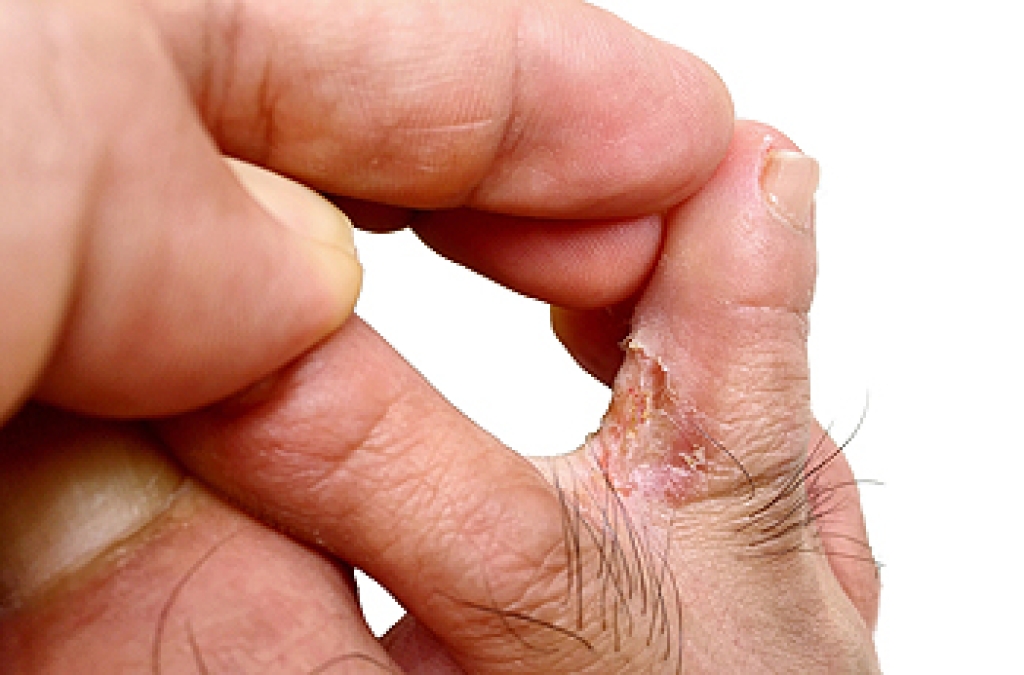
Athlete's foot is a fungal infection that affects the skin of the feet. It frequently develops between the toes, where warmth and moisture can create an environment where fungus grows easily. The infection can also affect the soles and sides of the feet. Athlete's foot can spread through direct contact with infected skin or contaminated surfaces. Symptoms can include itching, burning, and redness. The skin can become cracked or scaly and can begin to peel. Some patients develop small blisters or areas of raw skin. Moist feet and wearing tight-fitting shoes can create conditions that allow the fungus to grow. The infection can cause significant discomfort and can spread to other parts of the foot when it is not properly treated.
A podiatrist can examine the affected skin to determine whether athlete's foot is causing the symptoms. Some skin conditions can look similar, so an accurate diagnosis is important for choosing appropriate treatment. A podiatrist can evaluate the location, appearance, and severity of the affected areas. Treatment can include prescription-strength antifungal medication that targets the fungus. Medication can be applied directly to the skin in some cases. A podiatrist can also prescribe oral antifungal medication for infections that are difficult to control. The toenails can be examined because fungal infections can sometimes spread between the skin and nails. Professional treatment can help control the infection and reduce uncomfortable symptoms.
Athlete's foot can interfere with walking and other daily activities when the skin becomes painful or irritated. Cracks in the skin can also create openings that increase the risk of another infection. A podiatrist can monitor how the affected skin responds to treatment and make adjustments when symptoms continue. Patients who experience repeated infections can also be evaluated for factors that allow moisture to remain around the feet. Podiatry care can focus on controlling the current infection, protecting damaged skin, and reducing the chance of recurring problems. Prompt evaluation is especially important when symptoms become severe or continue to spread. If you have symptoms of athlete's foot, it is suggested that you schedule an appointment with a podiatrist for a diagnosis and appropriate treatment, which may include prescribed medication.
Athlete’s Foot
Athlete’s foot is often an uncomfortable condition to experience. Thankfully, podiatrists specialize in treating athlete’s foot and offer the best treatment options. If you have any questions about athlete’s foot, consult with Edward Orman, DPM from Honeygo Podiatry. Our doctor will assess your condition and provide you with quality treatment.
What Is Athlete’s Foot?
Tinea pedis, more commonly known as athlete’s foot, is a non-serious and common fungal infection of the foot. Athlete’s foot is contagious and can be contracted by touching someone who has it or infected surfaces. The most common places contaminated by it are public showers, locker rooms, and swimming pools. Once contracted, it grows on feet that are left inside moist, dark, and warm shoes and socks.
Prevention
The most effective ways to prevent athlete’s foot include:
Symptoms
Athlete’s foot initially occurs as a rash between the toes. However, if left undiagnosed, it can spread to the sides and bottom of the feet, toenails, and if touched by hand, the hands themselves. Symptoms include:
Diagnosis and Treatment
Diagnosis is quick and easy. Skin samples will be taken and either viewed under a microscope or sent to a lab for testing. Sometimes, a podiatrist can diagnose it based on simply looking at it. Once confirmed, treatment options include oral and topical antifungal medications.
If you have any questions, please feel free to contact our offices located in Perry Hall, and Fallston, MD . We offer the newest diagnostic and treatment technologies for all your foot care needs.
Connect With Us
