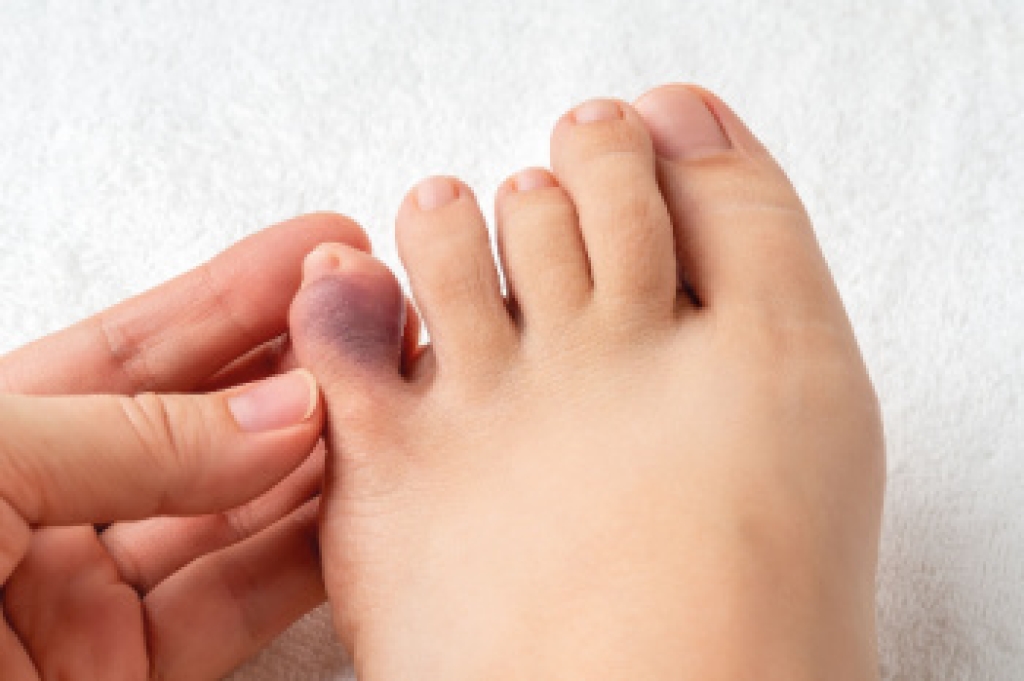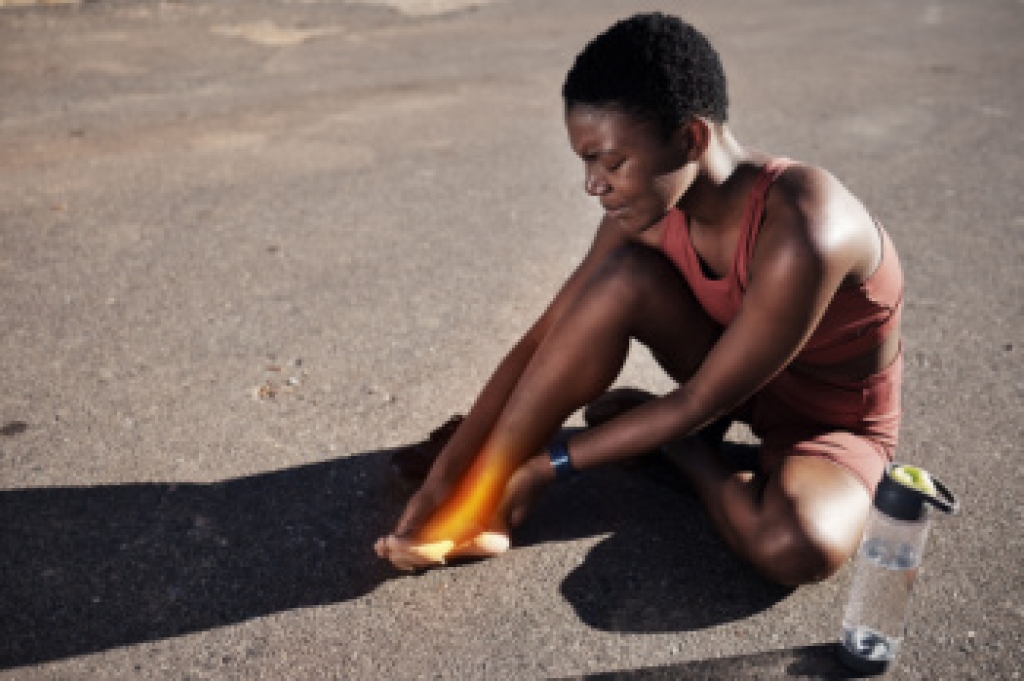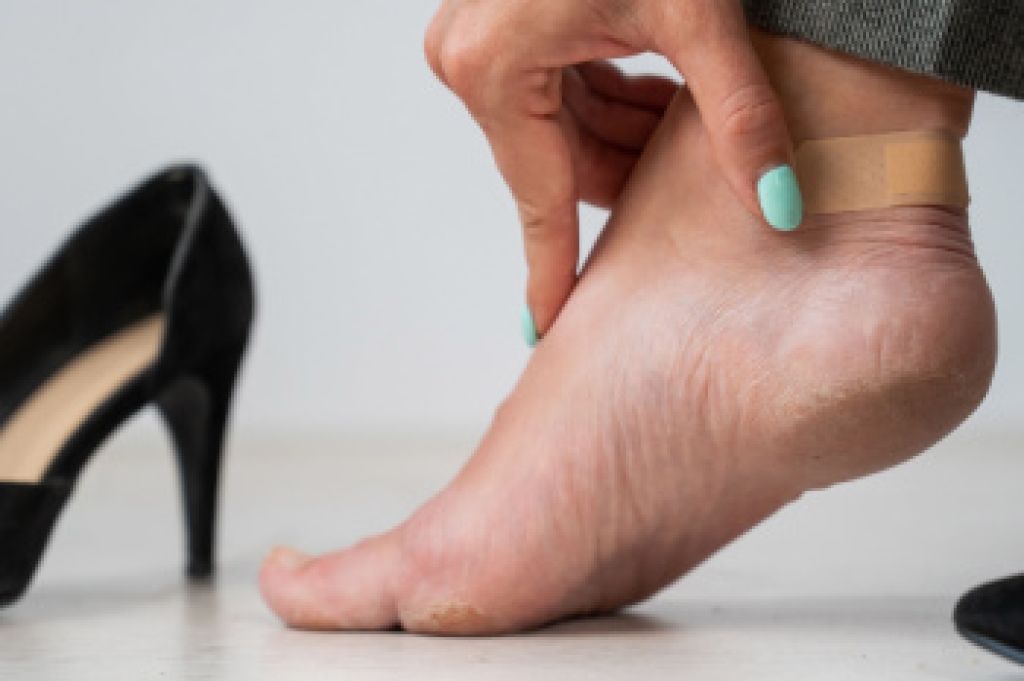
Blisters can cause discomfort and make it harder to move comfortably during daily activities. A blister is a small pocket of fluid that forms between layers of skin, usually because of friction, pressure, or irritation. Friction happens when surfaces rub together repeatedly, which can damage the skin and create a painful area. Blisters commonly develop on the feet because they experience repeated pressure from standing, walking, and wearing shoes. Symptoms include redness, tenderness, swelling, and a raised area on the skin. Some patients may also experience pain that affects their ability to participate in normal activities. A podiatrist can examine the blister and surrounding skin to determine the cause and recommend appropriate care.
A podiatrist evaluates foot blisters by reviewing symptoms, examining the affected area, and identifying factors that may have contributed to the problem. The evaluation includes checking skin condition, foot structure, and footwear choices. A podiatrist can provide treatment focused on protecting the affected area, supporting skin health, and reducing factors that contribute to repeated irritation. Care includes recommendations based on the type and location of the blister, along with guidance for managing related foot concerns. A podiatrist also evaluates footwear because shoes that lack proper support or fit poorly can increase pressure and friction on the feet.
Research shows that foot blisters can affect comfort, movement, and activity levels, making proper evaluation important for patients experiencing ongoing concerns. A podiatrist helps identify why blisters develop and creates a treatment plan based on each patient’s foot health and lifestyle. Professional care can help address painful symptoms and support healthier skin on the feet. Treatment plans are personalized according to examination findings and the patient’s specific needs. Regular appointments allow a podiatrist to monitor foot health and address concerns that affect comfort and mobility. If you have symptoms of blisters, it is suggested that you make an appointment with a chiropractor for diagnosis and treatment.
Blisters may appear as a single bubble or in a cluster. They can cause a lot of pain and may be filled with pus, blood, or watery serum. If your feet are hurting, contact Edward Orman, DPM of Honeygo Podiatry. Our doctor can provide the care you need to keep you pain-free and on your feet.
Foot Blisters
Foot blisters are often the result of friction. This happens due to the constant rubbing from shoes, which can lead to pain.
What Are Foot Blisters?
A foot blister is a small fluid-filled pocket that forms on the upper-most layer of the skin. Blisters are filled with clear fluid and can lead to blood drainage or pus if the area becomes infected.
Symptoms
(Blister symptoms may vary depending on what is causing them)
- Bubble of skin filled with fluid
- Redness
- Moderate to severe pain
- Itching
Prevention & Treatment
In order to prevent blisters, you should be sure to wear comfortable shoes with socks that cushion your feet and absorb sweat. Breaking a blister open may increase your chances of developing an infection. However, if your blister breaks, you should wash the area with soap and water immediately and then apply a bandage to the affected area. If your blisters cause severe pain it is important that you call your podiatrist right away.
If you have any questions, please feel free to contact our offices located in Perry Hall, and Fallston, MD . We offer the newest diagnostic and treatment technologies for all your foot care needs.