Foot Arthritis and How It Affects Daily Movement

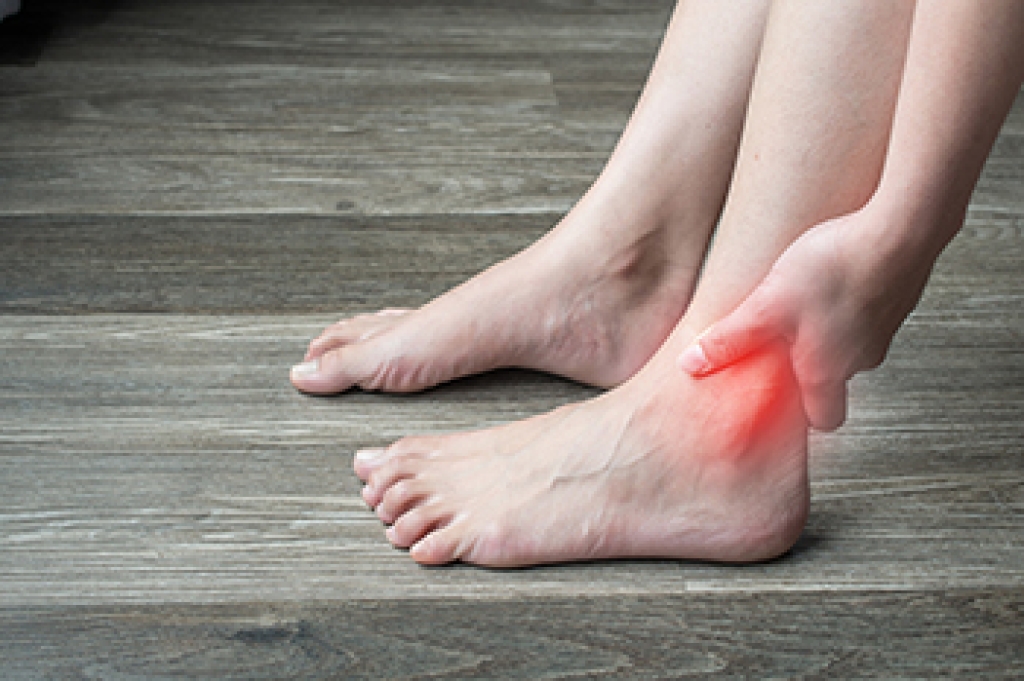
Foot arthritis is a condition characterized by inflammation and degeneration of the joints in the foot, leading to pain and reduced mobility. Two common types include osteoarthritis and rheumatoid arthritis. Osteoarthritis develops from wear and tear over time and often causes joint stiffness, aching pain, and swelling that worsens with activity. Rheumatoid arthritis is an autoimmune condition that leads to joint inflammation, warmth, swelling, and deformity, often affecting both feet. Causes of foot arthritis may include aging, prior injury, genetics, or immune system dysfunction. A podiatrist can assess joint involvement, recommend supportive footwear, custom orthotics, and treatment options to reduce pain and improve function. If you have foot pain or any of the above symptoms, it is suggested that you consult a podiatrist for an expert evaluation and personalized care.

Arthritis can be a difficult condition to live with. If you are seeking treatment, contact Edward Orman, DPM from Honeygo Podiatry. Our doctor can provide the care you need to keep you pain-free and on your feet.

Arthritic Foot Care  

Arthritis is a term that is commonly used to describe joint pain.  The condition itself can occur to anyone of any age, race, or gender, and there are over 100 types of it.  Nevertheless, arthritis is more commonly found in women compared to men, and it is also more prevalent in those who are overweight. The causes of arthritis vary depending on which type of arthritis you have. Osteoarthritis for example, is often caused by injury, while rheumatoid arthritis is caused by a misdirected immune system.

Symptoms

  • Swelling
  • Pain
  • Stiffness
  • Decreased Range of Motion

Arthritic symptoms range in severity, and they may come and go. Some symptoms stay the same for several years but could potentially get worse with time. Severe cases of arthritis can prevent its sufferers from performing daily activities and make walking difficult.

Risk Factors

  • Occupation – Occupations requiring repetitive knee movements have been linked to osteoarthritis
  • Obesity – Excess weight can contribute to osteoarthritis development
  • Infection – Microbial agents can infect the joints and trigger arthritis
  • Joint Injuries – Damage to joints may lead to osteoarthritis
  • Age – Risk increases with age
  • Gender –Most types are more common in women
  • Genetics – Arthritis can be hereditary

If you suspect your arthritis is affecting your feet, it is crucial that you see a podiatrist immediately. Your doctor will be able to address your specific case and help you decide which treatment method is best for you.

If you have any questions please feel free to contact our offices located in Perry Hall, and Fallston, MD . We offer the newest diagnostic tools and technology to treat your foot and ankle needs.
Read more about How to Care for Your Arthritic Foot

Exploring the Ponseti Method of Treating Clubfoot

The Ponseti method is a nonoperative approach used to correct clubfoot by gradually guiding an infant’s foot into a healthier position. Clubfoot causes the foot to turn inward and downward, and the method works by gently adjusting the foot over a series of casts before a brace is used to help maintain alignment. Later in the process, the term equinus is introduced to describe when the heel is pulled downward, which the Ponseti method helps address. This approach has replaced more invasive options like surgery for early correction, and it has shown success even in more complex cases. A podiatrist can help by monitoring the foot’s alignment, guiding each step of the casting plan, and identifying early signs of relapse so long-term progress is protected. If your infant exhibits clubfoot symptoms it is suggested that you consult a podiatrist for an exam and treatment.

Congenital foot problems require immediate attention to avoid future complications. If you have any concerns, contact Edward Orman, DPM of Honeygo Podiatry. Our doctor can provide the care you need to keep you pain-free and on your feet.

Congenital foot problems are deformities affecting the feet, toes, and/or ankles that children are born with. Some of these conditions have a genetic cause while others just happen. Some specific foot ailments that children may be born with include clubfeet, polydactyly/macrodactyly, and cleft foot. There are several other foot anomalies that can occur congenitally. What all of these conditions have in common is that a child may experience difficulty walking or performing everyday activities, as well as trouble finding footwear that fits their foot deformity. Some of these conditions are more serious than others. Consulting with a podiatrist as early as possible will help in properly diagnosing a child’s foot condition while getting the necessary treatment underway.

What are Causes of Congenital Foot Problem?

A congenital foot problem is one that happens to a child at birth. These conditions can be caused by a genetic predisposition, developmental or positional abnormalities during gestation, or with no known cause.

What are Symptoms of Congenital Foot Problems?

Symptoms vary by the congenital condition. Symptoms may consist of the following:

  • Clubfoot, where tendons are shortened, bones are shaped differently, and the Achilles tendon is tight, causing the foot to point in and down. It is also possible for the soles of the feet to face each other.
  • Polydactyly, which usually consists of a nubbin or small lump of tissue without a bone, a toe that is partially formed but has no joints, or an extra toe.
  • Vertical talus, where the talus bone forms in the wrong position causing other bones in the foot to line up improperly, the front of the foot to point up, and the bottom of the foot to stiffen, with no arch, and to curve out.
  • Tarsal coalition, when there is an abnormal connection of two or more bones in the foot leading to severe, rigid flatfoot.
  • Cleft foot, where there are missing toes, a V-shaped cleft, and other anatomical differences.
  • Macrodactyly, when the toes are abnormally large due to overgrowth of the underlying bone or soft tissue.

Treatment and Prevention

While there is nothing one can do to prevent congenital foot problems, raising awareness and receiving neonatal screenings are important. Early detection by taking your child to a podiatrist leads to the best outcome possible.

If you have any questions, please feel free to contact our offices located in Perry Hall, and Fallston, MD . We offer the newest diagnostic and treatment technologies for all your foot care needs.

Read more about Congenital Foot Problems

Plantar Warts Can Be Treated!

Plantar warts are small growths that develop on parts of the feet that bear weight. They're typically found on the bottom of the foot. Don't live with plantar warts, and call us today!

Foot Protection for Construction Jobs

Construction jobs expose workers to heavy equipment, sharp materials, and uneven surfaces, making safety shoes a vital part of personal care. These shoes are designed to protect the feet from impact, compression, and other workplace hazards. Different types of safety shoes serve different needs. Steel toe shoes help shield toes from falling objects, while met guard shoes protect the top of the foot from heavy impacts. Waterproof safety shoes keep feet dry and reduce the risk of skin irritation when working in wet conditions. Wearing the right safety footwear can improve stability, comfort, and confidence on the job site. A podiatrist can assess foot structure, work demands, and pain concerns to recommend proper safety shoes and custom orthotics for added support. If foot discomfort is interfering with your job responsibility, it is suggested that you consult a podiatrist who can treat various foot conditions, and guide you on appropriate shoes to wear for your workday.

While working on the feet, it is important to take the proper care of them. For more information about working on your feet, contact Edward Orman, DPM from Honeygo Podiatry. Our doctor will treat your foot and ankle needs.

Working on Your Feet

Standing on your feet for long periods of time can cause stress and pain in your feet. Your whole body may experience change in terms of posture, back pain, bunions, callouses and or plantar warts. There are ways to avoid these conditions with proper foot care, smart choices and correct posture.

Positive Changes

Negative heeled shoe – Choosing this shoe type places the heel slightly lower than the ball of the foot. These are great for overall foot health. Find shoes that fit you correctly.

Go barefoot – Our feet were not designed to be enclosed for all hours of the day. Try to periodically expose your feet to air.

Eliminate Pain

Foot Exercises – Performing simple exercises, incorporating yoga and doing stretches are beneficial. This will allow increased blood flow to the area and muscles of the foot.

Achilles tendon – Stretching the foot out flat on the floor will relax the calf muscles and tendon. These exercises can be performed almost anywhere. Make sure you add these exercises to your daily regimen. 

With a little bit of this information and knowing more about foot health, you will notice changes. Foot stretches and proper footwear will help with pain and prevent further issues.

If you have any questions please contact our offices located in Perry Hall, and Fallston, MD . We offer the newest diagnostic and treatment technologies for all your foot and ankle needs.

Read more about How to Handle a Long Work Day on Your Feet

Building Strong Feet

Keeping the feet strong can improve balance, stability, and overall movement during daily activities. One helpful exercise is a towel scrunch. Place a small towel on the floor, rest your foot on top, and slowly pull the towel toward you by curling your toes. This strengthens the small muscles that support the arch. Another useful exercise is the heel raise. Stand near a counter for support, lift your heels until you are on the balls of your feet, pause briefly, and lower with control. This helps build strength in the calves and improves ankle stability. While these movements support functional fitness, they are most effective when performed correctly and paired with proper footwear and healthy mechanics. A podiatrist can evaluate your foot structure, recommend appropriate exercises, and address any discomfort that limits progress. If foot pain develops during these activities, it is suggested that you see a podiatrist for effective relief tips and additional guidance on exercising the feet.

Exercising your feet regularly with the proper foot wear is a great way to prevent injuries and build strength. If you have any concerns about your feet, contact Edward Orman, DPM from Honeygo Podiatry. Our doctor can provide the care you need to keep you pain-free and on your feet.

Exercise for Your Feet

Exercise for your feet can help you gain strength, mobility and flexibility in your feet. They say that strengthening your feet can be just as rewarding as strengthening another part of the body. Your feet are very important, and we often forget about them in our daily tasks. But it is because of our feet that are we able to get going and do what we need to. For those of us fortunate enough to not have any foot problems, it is an important gesture to take care of them to ensure good health in the long run.

Some foot health exercises can include ankle pumps, tip-toeing, toe rises, lifting off the floor doing reps and sets, and flexing the toes. It is best to speak with Our doctor to determine an appropriate regimen for your needs. Everyone’s needs and bodies are different, and the activities required to maintain strength in the feet vary from individual to individual. 

Once you get into a routine of doing regular exercise, you may notice a difference in your feet and how strong they may become.

If you have any questions, please feel free to contact our offices located in Perry Hall, and Fallston, MD . We offer the newest diagnostic and treatment technologies for all your foot care needs.

Read more about Exercise for Your Feet

Connect With Us

scroll to top