Healthy Feet Support Balance and Stability

Strong, comfortable feet play an important role in maintaining balance during daily activities. When foot pain, deformities, or nerve problems are present, it becomes harder to move with confidence. Conditions such as bunions, hammertoes, arthritis, and nerve damage can change the way a person walks and reduce stability. Thick toenails, poor sensation, or painful calluses may also make each step less secure. For older adults especially, these issues can increase the likelihood of losing balance during routine movement. Regular foot care can make a meaningful difference. Keeping toenails trimmed, treating painful skin conditions, wearing supportive shoes, and maintaining strength in the muscles of the feet and ankles all help support steadier movement. A podiatrist can identify structural problems, recommend treatment, and provide guidance on proper footwear and foot health. If you experience foot pain, numbness, or changes in the way you walk, it is suggested that you see a podiatrist for a proper diagnosis and appropriate treatment.

Preventing falls among the elderly is very important. If you are older and have fallen or fear that you are prone to falling, consult with Edward Orman, DPM from Honeygo Podiatry. Our doctor will assess your condition and provide you with quality advice and care.

Every 11 seconds, an elderly American is being treated in an emergency room for a fall related injury. Falls are the leading cause of head and hip injuries for those 65 and older. Due to decreases in strength, balance, senses, and lack of awareness, elderly persons are very susceptible to falling. Thankfully, there are a number of things older persons can do to prevent falls.

How to Prevent Falls

Some effective methods that older persons can do to prevent falls include:

  • Enrolling in strength and balance exercise program to increase balance and strength
  • Periodically having your sight and hearing checked
  • Discuss any medications you have with a doctor to see if it increases the risk of falling
  • Clearing the house of falling hazards and installing devices like grab bars and railings
  • Utilizing a walker or cane
  • Wearing shoes that provide good support and cushioning
  • Talking to family members about falling and increasing awareness

Falling can be a traumatic and embarrassing experience for elderly persons; this can make them less willing to leave the house, and less willing to talk to someone about their fears of falling. Doing such things, however, will increase the likelihood of tripping or losing one’s balance. Knowing the causes of falling and how to prevent them is the best way to mitigate the risk of serious injury.  

If you have any questions, please feel free to contact our offices located in Perry Hall, and Fallston, MD . We offer the newest diagnostic and treatment technologies for all your foot care needs.

Read more about Falls Prevention

Reminder: When Was the Last Time...?

Custom orthotics, or shoe inserts, should be periodically replaced. Orthotics must fit properly to give you the best results. Protect your feet and ankles!

When an Ankle Sprain Leads to Nerve Pain

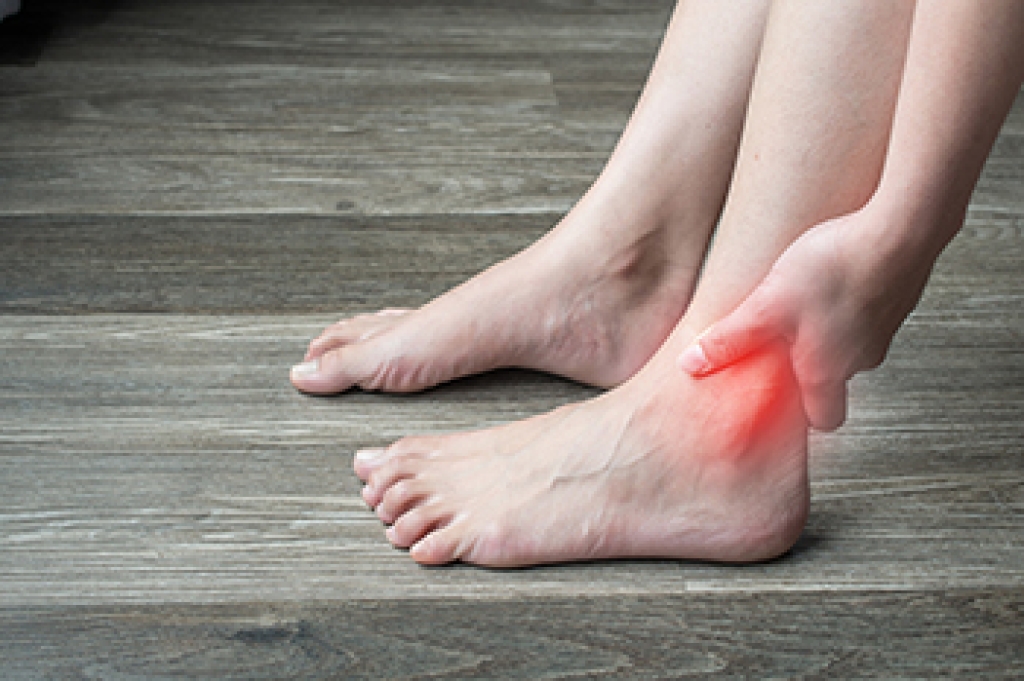
An ankle sprain is one of the most common sports and activity-related injuries. It happens when the ligaments that support the ankle stretch or tear after the foot twists or rolls. Most sprains heal with rest and proper care, but some people develop ongoing nerve-related pain during recovery. This type of discomfort is called neuropathic pain. It may feel like burning, tingling, numbness, or sharp, electric-like sensations around the ankle or foot. The pain may continue even after swelling improves and normal movement returns. Nerve irritation can occur when nearby tissues remain inflamed or when swelling places pressure on small nerves around the ankle joint. Early evaluation can help identify the cause and guide treatment. Targeted exercises, supportive bracing, and other medical treatments may be helpful. If nerve-like pain develops after an ankle sprain, it is suggested that you see a podiatrist for a proper diagnosis and appropriate treatment.

Ankle sprains are common but need immediate attention. If you need your feet checked, contact Edward Orman, DPM from Honeygo Podiatry. Our doctor can provide the care you need to keep you pain-free and on your feet.

How Does an Ankle Sprain Occur?

Ankle sprains take place when the ligaments in your ankle are torn or stretched beyond their limits. There are multiple ways that the ankle can become injured, including twisting or rolling over onto your ankle, putting undue stress on it, or causing trauma to the ankle itself.

What Are the Symptoms?

  • Mild to moderate bruising
  • Limited mobility
  • Swelling
  • Discoloration of the skin (depending on severity)

Preventing a Sprain

  • Wearing appropriate shoes for the occasion
  • Stretching before exercises and sports
  • Knowing your limits

Treatment of a Sprain

Treatment of a sprain depends on the severity.  Many times, people are told to rest and remain off their feet completely, while others are given an air cast. If the sprain is very severe, surgery may be required.

If you have suffered an ankle sprain previously, you may want to consider additional support such as a brace and regular exercises to strengthen the ankle.

If you have any questions please feel free to contact our offices located in Perry Hall, and Fallston, MD . We offer the newest diagnostic tools and technology to treat your foot and ankle needs.

Read more about Ankle Sprains

Heel Pain in Growing Children and What It May Mean

Heel discomfort in children is surprisingly common, especially during growth spurts when the bones, muscles, and tendons develop at different speeds. One of the most frequent causes is irritation of the growth plate at the back of the heel, often called Sever’s disease. This condition can create soreness during activity, stiffness after rest, or limping during sports. Tight calf muscles, flat feet, high arches, and wearing worn-out shoes can add extra strain to the heel, making symptoms more noticeable. Because kids are often active and may not slow down when something hurts, the irritation can worsen without guidance. A podiatrist can evaluate the child’s foot structure, activity level, and gait to determine the exact cause of the pain. Treatment may include activity modification, stretching, wearing supportive footwear, or orthotic devices that reduce pressure on the heel. If your child’s heel pain persists, affects sports participation, or causes limping, it is suggested that you see a podiatrist for a proper assessment and appropriate care.

Sever's disease often occurs in children and teens. If your child is experiencing foot or ankle pain, see Edward Orman, DPM from Honeygo Podiatry. Our doctor can treat your child’s foot and ankle needs.

Sever’s Disease

Sever’s disease is also known as calcaneal apophysitis, which is a medical condition that causes heel pain I none or both feet. The disease is known to affect children between the ages of 8 and 14.

Sever’s disease occurs when part of the child’s heel known as the growth plate (calcaneal epiphysis) is attached to the Achilles tendon. This area can suffer injury when the muscles and tendons of the growing foot do not keep pace with bone growth. Therefore, the constant pain which one experiences at the back of the heel will make the child unable to put any weight on the heel. The child is then forced to walk on their toes.

Symptoms

Acute pain – Pain associated with Sever’s disease is usually felt in the heel when the child engages in physical activity such as walking, jumping and or running.

Highly active – Children who are very active are among the most susceptible in experiencing Sever’s disease, because of the stress and tension placed on their feet.

If you have any questions, please feel free to contact our offices located in Perry Hall, and Fallston, MD . We offer the newest diagnostic and treatment technologies for all your foot care needs.

Read more about Sever's Disease

Foot Health and Wearing High Heels

Wearing high heels regularly can have a significant negative impact on foot health. The unnatural angle and pressure on the forefoot can contribute to the development of bunions, hammertoes, and neuromas, which can affect balance and alter natural gait. Over time, this added strain may lead to chronic pain, calluses, and difficulty walking comfortably. Risk factors include prolonged use of high heels with a narrow toe box, previous foot deformities, and high activity levels while wearing heels. A podiatrist can assess foot structure, recommend supportive footwear, provide custom orthotics, and offer treatment to relieve pain and prevent further damage. If you have foot pain from frequently wearing high heels, it is suggested that you consult a podiatrist who can offer effective relief tips, and guide you on appropriate shoes to wear.

High heels have a history of causing foot and ankle problems. If you have any concerns about your feet or ankles, contact Edward Orman, DPM from Honeygo Podiatry. Our doctor can provide the care you need to keep you pain-free and on your feet.

Effects of High Heels on the Feet

High heels are popular shoes among women because of their many styles and societal appeal.  Despite this, high heels can still cause many health problems if worn too frequently.

Which Parts of My Body Will Be Affected by High Heels?

  • Ankle Joints
  • Achilles Tendon – May shorten and stiffen with prolonged wear
  • Balls of the Feet
  • Knees – Heels cause the knees to bend constantly, creating stress on them
  • Back – They decrease the spine’s ability to absorb shock, which may lead to back pain.  The vertebrae of the lower back may compress.

What Kinds of Foot Problems Can Develop from Wearing High Heels?

  • Corns
  • Calluses
  • Hammertoe
  • Bunions
  • Morton’s Neuroma
  • Plantar Fasciitis

How Can I Still Wear High Heels and Maintain Foot Health?

If you want to wear high heeled shoes, make sure that you are not wearing them every day, as this will help prevent long term physical problems.  Try wearing thicker heels as opposed to stilettos to distribute weight more evenly across the feet.  Always make sure you are wearing the proper shoes for the right occasion, such as sneakers for exercising.  If you walk to work, try carrying your heels with you and changing into them once you arrive at work.  Adding inserts to your heels can help cushion your feet and absorb shock. Full foot inserts or metatarsal pads are available. 

If you have any questions, please feel free to contact our offices located in Perry Hall, and Fallston, MD . We offer the newest diagnostic and treatment technologies for all your foot care needs.

Read more about Effect of High Heels on the Feet

Connect With Us

scroll to top