Exercise Can Help to Prevent Falling

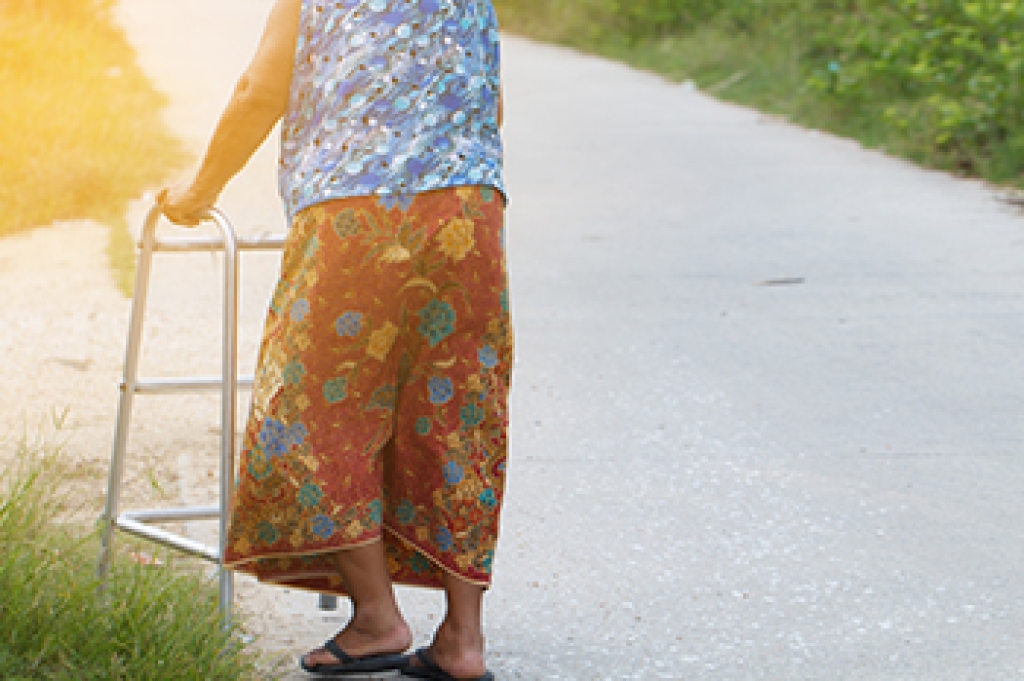
Falling can cause serious injuries. The feet are often affected, and this can compromise the ability to complete daily activities. Having the eyes checked regularly can help to update existing eyeglasses, in addition to having routine physical examinations for medication checks. The living environment can be made safer by implementing simple fall prevention techniques, such as improving lighting in the household and removing worn rugs. Some people find it beneficial to install grab bars in the shower and toilet area, in addition to using non-skid bath mats. It is wise to wear shoes that fit correctly, and keeping items in a lower cabinet may make them easier to reach. Engaging in a gentle exercise program can be helpful in keeping the body strong while improving balance. Tai Chi and yoga are good examples of this. If you would like more information about effective fall prevention methods, it is suggested that you contact a podiatrist who can provide you with the information you are seeking. 

Preventing falls among the elderly is very important. If you are older and have fallen or fear that you are prone to falling, consult with Edward Orman, DPM from Honeygo Podiatry. Our doctor will assess your condition and provide you with quality advice and care.

Every 11 seconds, an elderly American is being treated in an emergency room for a fall related injury. Falls are the leading cause of head and hip injuries for those 65 and older. Due to decreases in strength, balance, senses, and lack of awareness, elderly persons are very susceptible to falling. Thankfully, there are a number of things older persons can do to prevent falls.

How to Prevent Falls

Some effective methods that older persons can do to prevent falls include:

  • Enrolling in strength and balance exercise program to increase balance and strength
  • Periodically having your sight and hearing checked
  • Discuss any medications you have with a doctor to see if it increases the risk of falling
  • Clearing the house of falling hazards and installing devices like grab bars and railings
  • Utilizing a walker or cane
  • Wearing shoes that provide good support and cushioning
  • Talking to family members about falling and increasing awareness

Falling can be a traumatic and embarrassing experience for elderly persons; this can make them less willing to leave the house, and less willing to talk to someone about their fears of falling. Doing such things, however, will increase the likelihood of tripping or losing one’s balance. Knowing the causes of falling and how to prevent them is the best way to mitigate the risk of serious injury.  

If you have any questions, please feel free to contact our offices located in Perry Hall, and Fallston, MD . We offer the newest diagnostic and treatment technologies for all your foot care needs.


Read more about Falls Prevention

Well-Loved Baby Feet

Parents fall in love with every aspect of their newborn child, including their tiny, precious feet. They try hard to care for their babies in all ways and do what they can to ensure their child grows up healthfully. Paying attention to a baby’s feet is required as part of this care. Babies are born with the ability to walk, even if they usually cannot do so until about 15 months of age. They are usually born with flat feet, and when they first stand, their leg and foot muscles are not developed enough to support the arches. It takes approximately seven years for the arches to form. Baby’s feet need to be cared for to notice problems brewing and prepare them for walking. Good foot care for baby includes regularly examining their feet for abnormalities or developing problems. It is also recommended that parents keep their child’s feet clean, dry, and moisturized, cut their toenails straight across versus in a curved shape, and make sure their feet are not hampered from movement in their clothes or bed. Foot exercises will help to strengthen their feet. Babies should also wear socks rather than shoes before walking outdoors for strengthening purposes. To help you best care for your baby’s feet, it is suggested that you visit a podiatrist for more information on proper care.

Making sure that your children maintain good foot health is very important as they grow. If you have any questions, contact Edward Orman, DPM of Honeygo Podiatry. Our doctor can provide the care you need to keep you pain-free and on your feet.

Keeping Children's Feet Healthy

Having healthy feet during childhood can help prevent medical problems later in life, namely in the back and legs. As children grow, their feet require different types of care. Here are some things to consider...

Although babies do not walk yet, it is still very important to take care of their feet.

Avoid putting tight shoes or socks on his or her feet.

Allow the baby to stretch and kick his or her feet to feel comfortable.

As a toddler, kids are now on the move and begin to develop differently. At this age, toddlers are getting a feel for walking, so don’t be alarmed if your toddler is unsteady or ‘walks funny’. 

As your child gets older, it is important to teach them how to take care of their feet.

Show them proper hygiene to prevent infections such as fungus.

Be watchful for any pain or injury.

Have all injuries checked by a doctor as soon as possible.

Comfortable, protective shoes should always be worn, especially at play.

If you have any questions, please feel free to contact our offices located in Perry Hall, and Fallston, MD . We offer the newest diagnostic and treatment technologies for all your foot care needs.
Read more about What to Do to Keep Your Child’s Feet Healthy

Heel Pain in the Morning?

Heel pain can negatively affect your day-to-day life. Simple activities like walking can become incredibly uncomfortable or painful due to heel pain.

Don’t live with heel pain and get treated.

Toenail Fungus Foot Soak

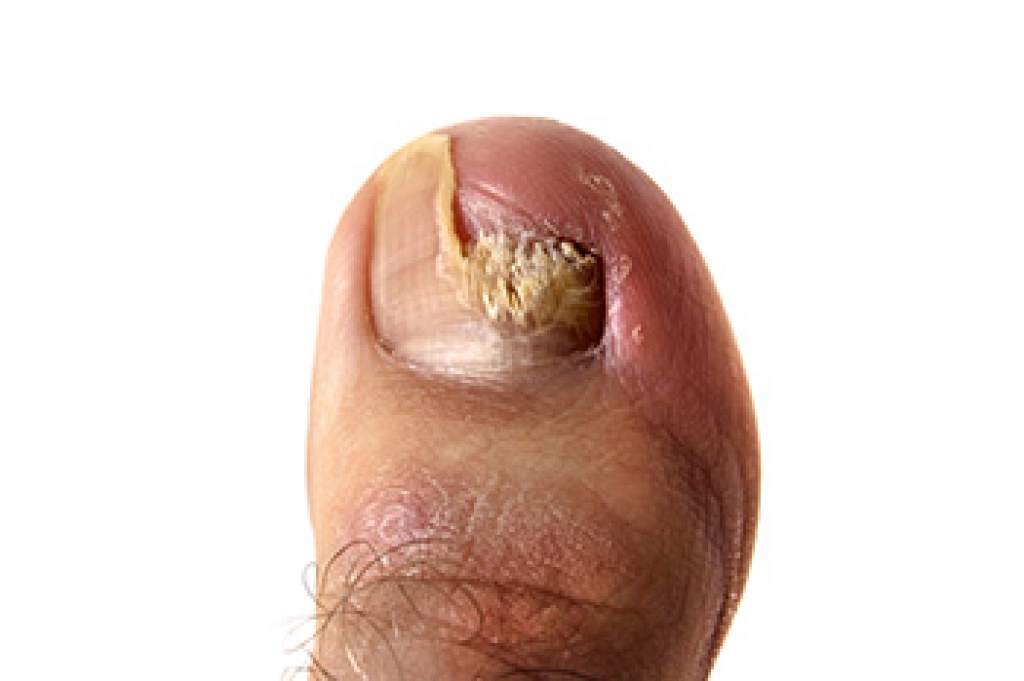
When an individual is living with a toenail fungus, they can experience any number of different annoying and unsightly symptoms. For example, a patient may have nails that are ragged and brittle in texture. A patient might also notice that their nails are slightly discolored. People who have toenail fungus can ask a trusted medical professional, like a podiatrist, how they can go about treating this condition. The answer can vary from patient to patient depending on the nature and severity of the condition. For example, a podiatrist might recommend that a patient perform a vinegar foot scrub in the future to prevent the development of the fungus. The reason for this recommendation is that vinegar has many antifungal and antibacterial properties that can prevent the onset of foot fungus. A vinegar foot soak also can soothe dry skin on the feet. If you currently have toenail fungus, it is suggested that you contact a podiatrist today for treatment.

For more information about treatment, contact Edward Orman, DPM of Honeygo Podiatry. Our doctor can provide the care you need to keep you pain-free and on your feet.

Toenail Fungus Treatment

Toenail fungus is a condition that affects many people and can be especially hard to get rid of. Fortunately, there are several methods to go about treating and avoiding it.

Antifungals & Deterrence

Oral antifungal medicine has been shown to be effective in many cases. It is important to consult with a podiatrist to determine the proper regiment for you, or potentially explore other options.

Applying foot powder on the feet and shoes helps keep the feet free of moisture and sweat.

Sandals or open toed shoes – Wearing these will allow air movement and help keep feet dry. They also expose your feet to light, which fungus cannot tolerate. Socks with moisture wicking material also help as well.

If you have any questions please contact our offices located in Perry Hall, and Fallston, MD . We offer the newest diagnostic and treatment technologies for all your foot and ankle needs.

Read more about Treating Toenail Fungus

Nerve Problems That Cause Foot Pain

While there are numerous causes for foot pain, if you feel pain on the top of the foot or through the arch, it may be caused by nerve problems. Common symptoms of nerve pain in the feet are burning and shooting or stabbing pain when a nerve is aggravated. Unfortunately, such nerve pain in the feet can occur when you are active and when you are resting. The four most common causes of nerve pain in the feet are Morton’s neuroma, tarsal tunnel syndrome, peripheral neuropathy caused by diabetes, and a pinched nerve. With Morton’s neuroma, the pain will be felt between the third and fourth toes as the nerve in that area thickens. This condition affects women more often as a result of frequent wearing of high heels. Tarsal tunnel syndrome is caused when the tibial nerve that is located near the heel is compressed. A pinched nerve, which is also called nerve entrapment, is often caused by swelling, tight shoes, or trauma to the foot. Diabetic foot neuropathy is the result of nerve damage caused by high levels of blood sugar. If you are experiencing any type of shooting or stabbing pain in the feet, it is suggested that you make an appointment with a podiatrist to determine the cause and find appropriate treatment.

Foot Pain

Foot pain can be extremely painful and debilitating. If you have a foot pain, consult with Edward Orman, DPM from Honeygo Podiatry. Our doctor will assess your condition and provide you with quality foot and ankle treatment.

Causes

Foot pain is a very broad condition that could be caused by one or more ailments. The most common include:

  • Bunions
  • Hammertoes
  • Plantar Fasciitis
  • Bone Spurs
  • Corns
  • Tarsal Tunnel Syndrome
  • Ingrown Toenails
  • Arthritis (such as Gout, Rheumatoid, and Osteoarthritis)
  • Flat Feet
  • Injury (from stress fractures, broken toe, foot, ankle, Achilles tendon ruptures, and sprains)
  • And more

Diagnosis

To figure out the cause of foot pain, podiatrists utilize several different methods. This can range from simple visual inspections and sensation tests to X-rays and MRI scans. Prior medical history, family medical history, and any recent physical traumatic events will all be taken into consideration for a proper diagnosis.

Treatment

Treatment depends upon the cause of the foot pain. Whether it is resting, staying off the foot, or having surgery; podiatrists have a number of treatment options available for foot pain.

If you have any questions, please feel free to contact our offices located in Perry Hall, and Fallston, MD . We offer the newest diagnostic and treatment technologies for all your foot care needs.
Read more about Foot Pain

Symptoms and Causes of Morton’s Neuroma

Pain in the ball of the foot, sometimes described as having a stone in the bottom of the shoe, is generally a symptom of Morton’s neuroma. This benign condition is the result of extra nerve tissue growing between the third and fourth toes of the foot. Simply putting weight on the foot when standing or walking can set off the nerve pain from Morton’s neuroma. Among the contributing factors leading to Morton’s neuroma are wearing high-heeled shoes with narrow toe boxes and playing sports for extended periods. Not surprisingly, cases of Morton’s neuroma are more likely to be found in women between 40 and 70 years old. On the other hand, most men with this condition are under 30 years old. Symptoms include pain in the ball of the foot, a burning and tingling pain in the nearby toes, and feeling like a sock is bunched up inside the shoe. Changes to footwear and massaging the affected area can help to alleviate the pain. In more severe cases, a surgical solution may be necessary. If you believe you have Morton’s neuroma, it is suggested that you consult a podiatrist for an exam and diagnosis before deciding on treatment options.

Morton’s neuroma is a very uncomfortable condition to live with. If you think you have Morton’s neuroma, contact Edward Orman, DPM of Honeygo Podiatry. Our doctor will attend to all of your foot care needs and answer any of your related questions.  

Morton’s Neuroma

Morton's neuroma is a painful foot condition that commonly affects the areas between the second and third or third and fourth toe, although other areas of the foot are also susceptible. Morton’s neuroma is caused by an inflamed nerve in the foot that is being squeezed and aggravated by surrounding bones.

What Increases the Chances of Having Morton’s Neuroma?

  • Ill-fitting high heels or shoes that add pressure to the toe or foot
  • Jogging, running or any sport that involves constant impact to the foot
  • Flat feet, bunions, and any other foot deformities

Morton’s neuroma is a very treatable condition. Orthotics and shoe inserts can often be used to alleviate the pain on the forefront of the feet. In more severe cases, corticosteroids can also be prescribed. In order to figure out the best treatment for your neuroma, it’s recommended to seek the care of a podiatrist who can diagnose your condition and provide different treatment options.

If you have any questions, please feel free to contact our offices located in Perry Hall, and Fallston, MD . We offer the newest diagnostic and treatment technologies for all your foot care needs.

Read more about Morton's Neuroma

What Is a Blister?

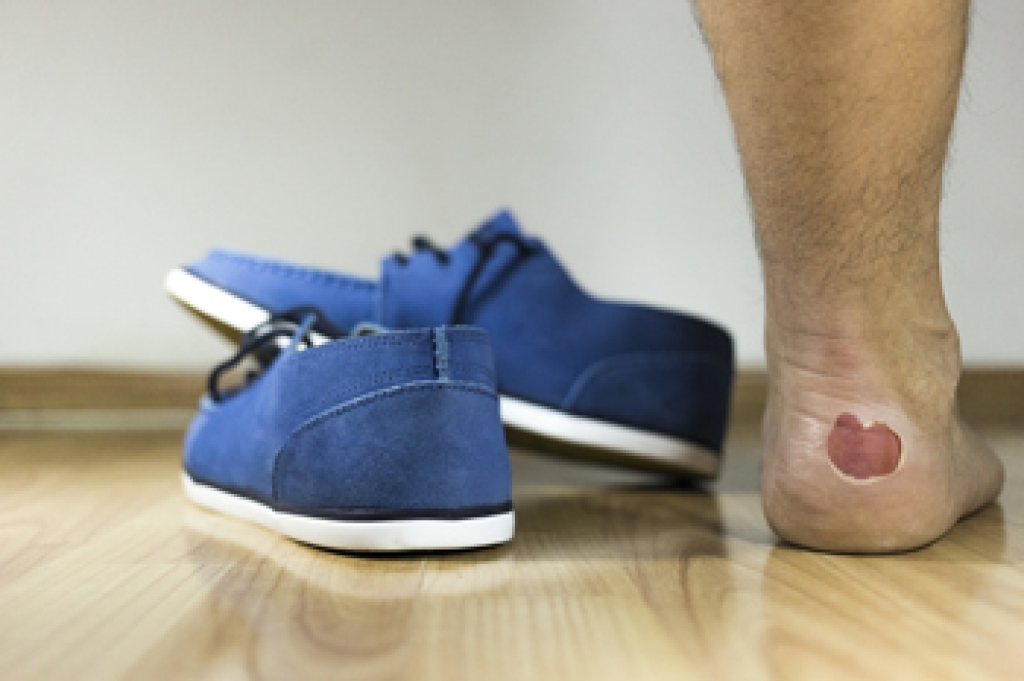
Generally speaking, a blister that develops on the foot is not a serious condition. Occasionally, a blister that pops prematurely may lead to an infection developing, and there are effective methods that can be done to prevent this. A blister is defined as a small bubble that naturally forms over damaged skin, and is filled with protective liquid. When new skin forms, the blister will gradually drain, which is the body’s natural healing response. A blister on the foot can happen for various reasons, the most common being excess friction that is caused by the shoes and socks that are worn. There may also be existing medical conditions that can cause blisters, which can include eczema and psoriasis. Blisters on the feet may be prevented by dusting talcum powder in the socks if sweating is severe, and it is beneficial to wear shoes that fit well. If you have blisters on your feet, it is suggested that you confer with a podiatrist who can treat them if necessary, and guide you toward additional prevention techniques.

Blisters may appear as a single bubble or in a cluster. They can cause a lot of pain and may be filled with pus, blood, or watery serum. If your feet are hurting, contact Edward Orman, DPM of Honeygo Podiatry. Our doctor can provide the care you need to keep you pain-free and on your feet.

Foot Blisters

Foot blisters are often the result of friction. This happens due to the constant rubbing from shoes, which can lead to pain.

What Are Foot Blisters?

A foot blister is a small fluid-filled pocket that forms on the upper-most layer of the skin. Blisters are filled with clear fluid and can lead to blood drainage or pus if the area becomes infected.

Symptoms

(Blister symptoms may vary depending on what is causing them)

  • Bubble of skin filled with fluid
  • Redness
  • Moderate to severe pain
  • Itching

Prevention & Treatment

In order to prevent blisters, you should be sure to wear comfortable shoes with socks that cushion your feet and absorb sweat. Breaking a blister open may increase your chances of developing an infection. However, if your blister breaks, you should wash the area with soap and water immediately and then apply a bandage to the affected area. If your blisters cause severe pain it is important that you call your podiatrist right away.

If you have any questions, please feel free to contact our offices located in Perry Hall, and Fallston, MD . We offer the newest diagnostic and treatment technologies for all your foot care needs.
Read more about Blisters

When Is an Ankle Brace Needed?

Patients with a condition known as foot drop, as well as other foot and ankle-related problems, may need the assistance of an ankle brace. This device is commonly called an AFO, or ankle-foot orthosis. The brace aids the wearer by providing stability in the ankle joint, maintaining its alignment, and preventing the foot from dragging on the ground while walking. AFOs are made of plastic, metal, or strong fiber, depending on the needs of the patient. A podiatrist can determine the type of AFO required by conducting a series of tests to assess muscle strength, joint mobility, and gait issues. Ankle-foot orthoses come in various forms, including solid, which encases the joint, and hinged, which provides controlled ankle movement. A typical AFO begins just below the knee and extends to the base of the toes. This type of device is commonly prescribed for patients with foot drop, nerve disorders, trauma, and other conditions that affect the gait. For more information on an ankle-foot orthotic device, it is suggested that you consult a podiatrist.

Ankle pain can be caused by a number of problems and may be potentially serious. If you have ankle pain, consult with Edward Orman, DPM from Honeygo Podiatry. Our doctor will assess your condition and provide you with quality foot and ankle treatment.

Ankle pain is any condition that causes pain in the ankle. Due to the fact that the ankle consists of tendons, muscles, bones, and ligaments, ankle pain can come from a number of different conditions.

Causes

The most common causes of ankle pain include:

  • Types of arthritis (rheumatoid, osteoarthritis, and gout)
  • Ankle sprains
  • Broken ankles
  • Achilles tendonitis
  • Achilles tendon rupture
  • Stress fractures
  • Bursitis
  • Tarsal tunnel syndrome
  • Plantar fasciitis

Symptoms

Symptoms of ankle injury vary based upon the condition. Pain may include general pain and discomfort, swelling, aching, redness, bruising, burning or stabbing sensations, and/or loss of sensation.

Diagnosis

Due to the wide variety of potential causes of ankle pain, podiatrists will utilize a number of different methods to properly diagnose ankle pain. This can include asking for personal and family medical histories and of any recent injuries. Further diagnosis may include sensation tests, a physical examination, and potentially x-rays or other imaging tests.

Treatment

Just as the range of causes varies widely, so do treatments. Some more common treatments are rest, ice packs, keeping pressure off the foot, orthotics and braces, medication for inflammation and pain, and surgery.

If you have any questions please feel free to contact our offices located in Perry Hall, and Fallston, MD . We offer the newest diagnostic tools and technology to treat your foot and ankle needs.

Read more about Ankle Pain

Keep Your Feet Healthy So You Can Stay Active

Have your feet inspected by a professional before starting a new sport or physical activity. Taking charge of your foot health will keep you in good physical condition and can help you avoid a potential injury, such as a fracture or sprained ankle.

Prevent injuries and see a foot specialist.

Diabetics May Be at Risk for Charcot Foot

Many diabetics suffer from a related condition known as Charcot foot. It is caused by peripheral neuropathy, which is nerve damage and a loss of sensation in the lower legs and feet. Diabetics with Charcot foot may notice redness, warmth, and swelling of the feet, the condition also weakens the bones, soft tissues, and joints of the foot. As the disease progresses it may lead to fractures and dislocation of the ankle bones. Charcot foot can be detected through a physical examination, X-rays, and blood tests. The condition generally affects only one foot. Taking the weight off the affected foot is paramount in helping to keep symptoms at bay. The bones in the foot can easily collapse and if ignored can produce even more serious problems. In some cases, patients are directed to wear a special boot or cast to protect the foot. Orthotic inserts in shoes are often helpful in providing the needed cushioning. If you are experiencing symptoms of Charcot foot, it is suggested that you consult a podiatrist as soon as possible for an exam and diagnosis. 

Neuropathy

Neuropathy can be a potentially serious condition, especially if it is left undiagnosed. If you have any concerns that you may be experiencing nerve loss in your feet, consult with Edward Orman, DPM from Honeygo Podiatry. Our doctor will assess your condition and provide you with quality foot and ankle treatment for neuropathy.

What Is Neuropathy?

Neuropathy is a condition that leads to damage to the nerves in the body. Peripheral neuropathy, or neuropathy that affects your peripheral nervous system, usually occurs in the feet. Neuropathy can be triggered by a number of different causes. Such causes include diabetes, infections, cancers, disorders, and toxic substances.

Symptoms of Neuropathy Include:

  • Numbness
  • Sensation loss
  • Prickling and tingling sensations
  • Throbbing, freezing, burning pains
  • Muscle weakness

Those with diabetes are at serious risk due to being unable to feel an ulcer on their feet. Diabetics usually also suffer from poor blood circulation. This can lead to the wound not healing, infections occurring, and the limb may have to be amputated.

Treatment

To treat neuropathy in the foot, podiatrists will first diagnose the cause of the neuropathy. Figuring out the underlying cause of the neuropathy will allow the podiatrist to prescribe the best treatment, whether it be caused by diabetes, toxic substance exposure, infection, etc. If the nerve has not died, then it’s possible that sensation may be able to return to the foot.

Pain medication may be issued for pain. Electrical nerve stimulation can be used to stimulate nerves. If the neuropathy is caused from pressure on the nerves, then surgery may be necessary.

If you have any questions, please feel free to contact our offices located in Perry Hall, and Fallston, MD . We offer the newest diagnostic and treatment technologies for all your foot care needs.

Read more about Neuropathy

Connect With Us

scroll to top