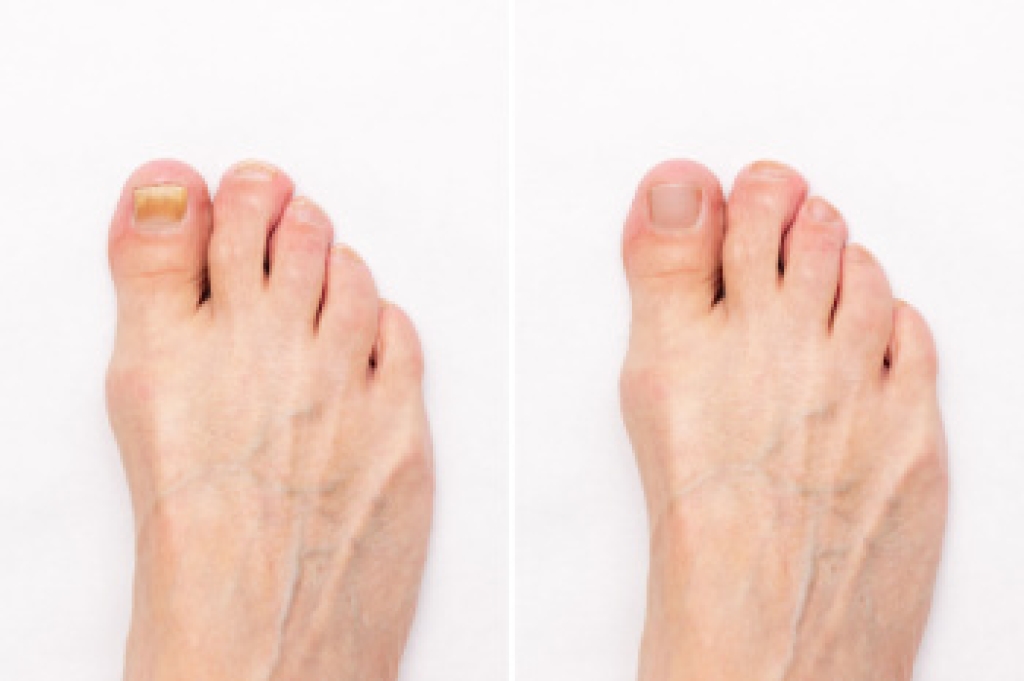
Various Types of Toenail Fungus

Toenail fungus, medically known as onychomycosis, encompasses several distinct types, each presenting unique characteristics and symptoms. The most common form is distal subungual onychomycosis, which typically begins as a yellow or white spot beneath the tip of the nail and gradually spreads deeper into the nail bed. Proximal subungual onychomycosis affects the base of the nail and is often seen in individuals with compromised immune systems. White superficial onychomycosis manifests as white spots on the surface of the nail, which can gradually expand. Candida onychomycosis is caused by yeast and can affect both fingernails and toenails, often leading to thick, discolored nails. Finally, total dystrophic onychomycosis results in complete nail destruction, characterized by thickening, discoloration, and crumbling of the nail plate. Recognizing the type of toenail fungus is essential for effective treatment. If you have toenail fungus, it is strongly suggested that you are under the care of a podiatrist who can accurately diagnose which type it is, and offer the treatment method that is right for you.

For more information about treatment, contact Edward Orman, DPM of Honeygo Podiatry. Our doctor can provide the care you need to keep you pain-free and on your feet.

Toenail Fungus Treatment

Toenail fungus is a condition that affects many people and can be especially hard to get rid of. Fortunately, there are several methods to go about treating and avoiding it.

Antifungals & Deterrence

Oral antifungal medicine has been shown to be effective in many cases. It is important to consult with a podiatrist to determine the proper regiment for you, or potentially explore other options.

Applying foot powder on the feet and shoes helps keep the feet free of moisture and sweat.

Sandals or open toed shoes – Wearing these will allow air movement and help keep feet dry. They also expose your feet to light, which fungus cannot tolerate. Socks with moisture wicking material also help as well.

If you have any questions please contact our offices located in Perry Hall, and Fallston, MD . We offer the newest diagnostic and treatment technologies for all your foot and ankle needs.

Read more about Toenail Fungus

Peripheral Neuropathy and Its Impact on the Feet

Peripheral neuropathy is a condition characterized by damage to the nerves outside the brain and spinal cord. It often results in such symptoms as numbness, tingling, and weakness in the extremities. When it affects the feet, peripheral neuropathy can negatively impact mobility and quality of life. The nerves responsible for sensation and motor function in the feet may become impaired, leading to loss of sensation, burning pain, or hypersensitivity. These symptoms can make it challenging to walk or perform daily activities. Additionally, peripheral neuropathy can cause complications, such as foot ulcers and infections, particularly in individuals with diabetes. Regular foot care and monitoring are essential for preventing serious complications. Managing underlying conditions and adopting lifestyle changes, such as maintaining optimal blood sugar levels and wearing supportive footwear, can help alleviate symptoms and improve overall foot health for individuals with peripheral neuropathy. If you have this condition and your feet are affected, it is suggested that you are under the care of a podiatrist who can help you manage peripheral neuropathy.

Neuropathy

Neuropathy can be a potentially serious condition, especially if it is left undiagnosed. If you have any concerns that you may be experiencing nerve loss in your feet, consult with Edward Orman, DPM from Honeygo Podiatry. Our doctor will assess your condition and provide you with quality foot and ankle treatment for neuropathy.

What Is Neuropathy?

Neuropathy is a condition that leads to damage to the nerves in the body. Peripheral neuropathy, or neuropathy that affects your peripheral nervous system, usually occurs in the feet. Neuropathy can be triggered by a number of different causes. Such causes include diabetes, infections, cancers, disorders, and toxic substances.

Symptoms of Neuropathy Include:

  • Numbness
  • Sensation loss
  • Prickling and tingling sensations
  • Throbbing, freezing, burning pains
  • Muscle weakness

Those with diabetes are at serious risk due to being unable to feel an ulcer on their feet. Diabetics usually also suffer from poor blood circulation. This can lead to the wound not healing, infections occurring, and the limb may have to be amputated.

Treatment

To treat neuropathy in the foot, podiatrists will first diagnose the cause of the neuropathy. Figuring out the underlying cause of the neuropathy will allow the podiatrist to prescribe the best treatment, whether it be caused by diabetes, toxic substance exposure, infection, etc. If the nerve has not died, then it’s possible that sensation may be able to return to the foot.

Pain medication may be issued for pain. Electrical nerve stimulation can be used to stimulate nerves. If the neuropathy is caused from pressure on the nerves, then surgery may be necessary.

If you have any questions, please feel free to contact our offices located in Perry Hall, and Fallston, MD . We offer the newest diagnostic and treatment technologies for all your foot care needs.

Read more about Neuropathy

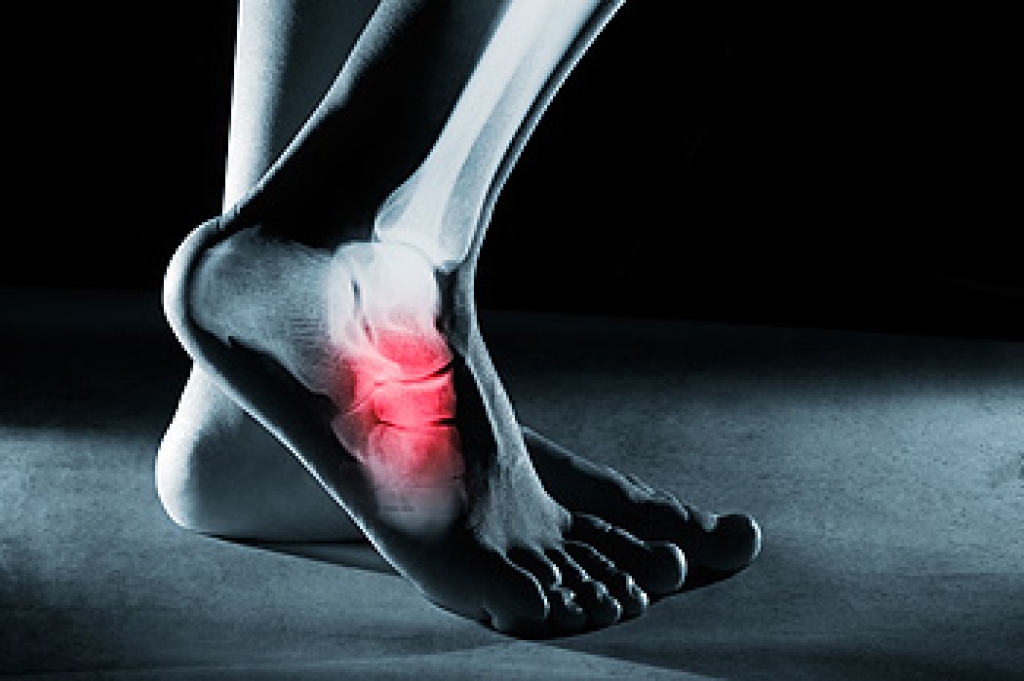
Causes of Foot Stress Fractures

Foot stress fractures are a common yet often overlooked injury that can sideline individuals from their daily activities. These fractures occur when repetitive stress on the bones surpasses their ability to repair themselves, resulting in tiny cracks or breaks. Several factors contribute to the development of foot stress fractures, including overuse, sudden increases in physical activity, improper footwear, and biomechanical abnormalities. Runners, dancers, and athletes involved in high-impact sports are particularly susceptible to these types of fractures due to the repetitive stress placed on their feet. Additionally, factors such as poor bone density, nutritional deficiencies, and hormonal imbalances can increase the risk of stress fractures. Symptoms of foot stress fractures include localized pain, swelling, and tenderness. It is beneficial to incorporate into your routine proper rest, adequate footwear, and training techniques that may help in preventing foot stress fractures. If you have endured this type of injury, it is suggested that you consult a podiatrist who can accurately diagnose and treat foot stress fractures.

Stress fractures occur when there is a tiny crack within a bone. To learn more, contact Edward Orman, DPM from Honeygo Podiatry. Our doctor can provide the care you need to keep you pain free and on your feet.

How Are They Caused?

Stress fractures are the result of repetitive force being placed on the bone. Since the lower leg and feet often carry most of the body’s weight, stress fractures are likely to occur in these areas. If you rush into a new exercise, you are more likely to develop a stress fracture since you are starting too much, too soon.  Pain resulting from stress fractures may go unnoticed at first, however it may start to worsen over time.

Risk Factors

  • Gender – They are more commonly found in women compared to men.
  • Foot Problems – People with unusual arches in their feet are more likely to develop stress fractures.
  • Certain Sports – Dancers, gymnasts, tennis players, runners, and basketball players are more likely to develop stress fractures.
  • Lack of Nutrients – A lack of vitamin D and calcium may weaken the bones and make you more prone to stress fractures
  • Weak Bones – Osteoporosis can weaken the bones therefore resulting in stress fractures

Stress fractures do not always heal properly, so it is important that you seek help from a podiatrist if you suspect you may have one. Ignoring your stress fracture may cause it to worsen, and you may develop chronic pain as well as additional fractures.

If you have any questions please contact our offices located in Perry Hall, and Fallston, MD . We offer the newest diagnostic and treatment technologies for all your foot and ankle needs.

Read more about Stress Fractures of the Foot and Ankle

Do You Suffer From Painful Feet?

Painful deformities, such as hammertoes, can be treated. Stop living with foot pain, and have beautiful feet again!

Common Areas of Foot Discomfort During Pregnancy

Pregnancy brings about a multitude of changes in a woman's body, including the feet. As the body undergoes hormonal shifts and weight gain, it is not uncommon for expectant mothers to experience foot pain and discomfort. One common area of foot pain during pregnancy is the arches, as the added weight can cause the arches to flatten, leading to strain and discomfort. Additionally, swelling of the feet and ankles, known as edema, is a prevalent issue, particularly in the later stages of pregnancy. This swelling can cause tightness and discomfort in various areas of the feet. Another common source of foot pain during pregnancy is the heels, as the increased weight and changes in posture can place extra pressure on the heel area, resulting in pain and tenderness. If you have foot pain during your pregnancy, it is suggested that you consult a podiatrist who can offer you relief tips during this transformative time.

Pregnant women with swollen feet can be treated with a variety of different methods that are readily available. For more information about other cures for swollen feet during pregnancy, consult with Edward Orman, DPM from Honeygo Podiatry. Our doctor will attend to all of your foot and ankle needs.

What Foot Problems Can Arise During Pregnancy?

One problem that can occur is overpronation, which occurs when the arch of the foot flattens and tends to roll inward.  This can cause pain and discomfort in your heels while you’re walking or even just standing up, trying to support your baby.  

Another problem is edema, or swelling in the extremities. This often affects the feet during pregnancy but tends to occur in the later stages. 

How Can I Keep My Feet Healthy During Pregnancy?

  • Wearing orthotics can provide extra support for the feet and help distribute weight evenly
  • Minimize the amount of time spent walking barefoot
  • Wear shoes with good arch support
  • Wear shoes that allow for good circulation to the feet
  • Elevate feet if you experience swelling
  • Massage your feet
  • Get regular, light exercise, such as walking, to promote blood circulation to the feet

If you have any questions, please feel free to contact our offices located in Perry Hall, and Fallston, MD . We offer the newest diagnostic and treatment technologies for all your foot care needs.

Read more about Foot Care for Pregnant Women

Connect With Us

scroll to top