
If you are suffering from tenderness, pain, or stiffness in the joints of your feet or ankles, call us to schedule an appointment.
If you are suffering from tenderness, pain, or stiffness in the joints of your feet or ankles, call us to schedule an appointment.

Ankle sprains occur when the ligaments that support the ankle joint stretch or tear. This injury is often caused by sudden twists, falls, uneven surfaces, or sports activities that put stress on the joint. The ankle may look swollen, bruised, or slightly deformed, and in severe cases it may appear unstable or misaligned. Many individuals feel sharp pain at the time of injury, followed by tenderness, stiffness, and difficulty bearing weight or walking normally. Up to 70 percent of ankle sprains affect the lateral ligaments on the outside of the ankle, and repeated sprains can lead to chronic instability if not treated properly. A podiatrist can start by evaluating the ankle, checking the range of motion, and using imaging if needed to rule out fractures. Treatment may include elevation, bracing, targeted exercises, and guidance on safe return to activity. Prompt professional care helps reduce recovery time and prevent long-term complications. If you experience persistent ankle pain or swelling after an injury, it is suggested that you make an appointment with a podiatrist.
Although ankle sprains are common, they aren’t always minor injuries. If you need your ankle injury looked at, contact Edward Orman, DPM from Honeygo Podiatry. Our doctor can provide the care you need to keep you pain-free and on your feet.
How Does an Ankle Sprain Occur?
Ankle sprains are the result of a tear in the ligaments within the ankle. These injuries may happen when you make a rapid shifting movement while your foot is planted. A less common way to sprain your ankle is when your ankle rolls inward while your foot turns outward.
What Are the Symptoms?
Preventing a Sprain
Treatment of a Sprain
In many cases, the RICE method (Rest, Ice, Compression, and Elevate) is used to treat ankle sprains. However, you should see a podiatrist to see which treatment option would work best with your injury. In severe cases, surgery may be required.
It is important to ask your doctor about rehab options after you receive treatment for your injury. Stretching, strength training, and balance exercises may help the ankle heal while also preventing further injury.
If you have any questions, please feel free to contact our offices located in Perry Hall, and Fallston, MD . We offer the newest diagnostic and treatment technologies for all your foot care needs.
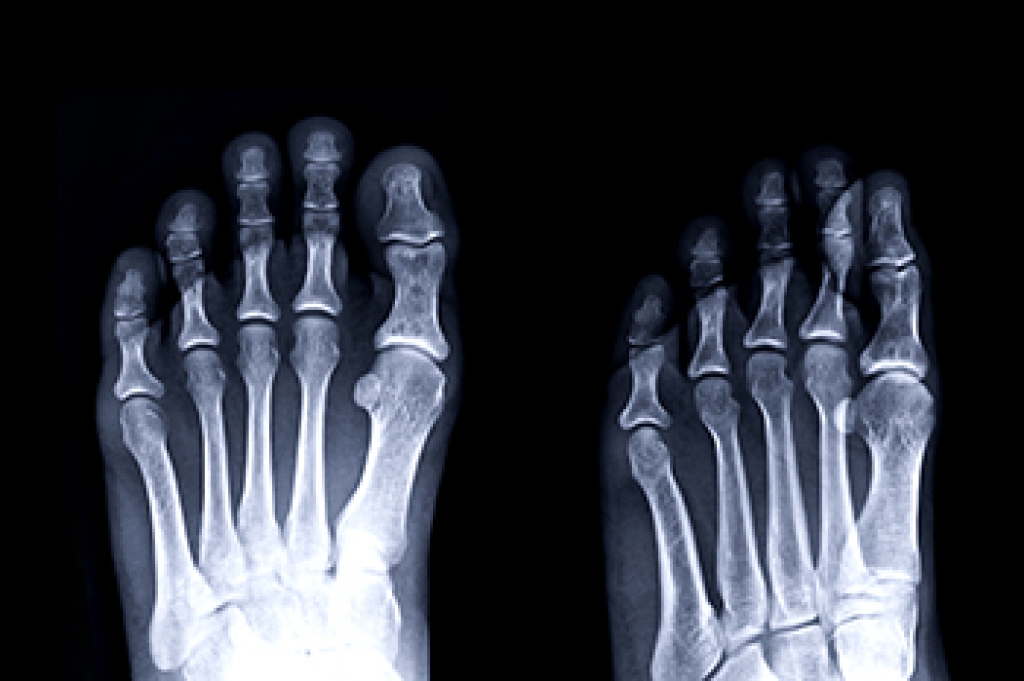
The foot is a complex structure made to support movement, balance, and weight. It is built from key bones, such as the talus, calcaneus, and cuboid, along with many smaller bones that work together through a network of 33 joints. Numerous tendons and ligaments connect these bones and allow the foot to move smoothly while providing strength and stability. These parts work as a unified system to help you stand, walk, and adapt to different surfaces. A podiatrist can evaluate how well your foot structures are functioning, identify sources of pain, and recommend treatments that restore comfort and mobility. If foot pain is interfering with your daily activities, it is suggested that you consult a podiatrist who can determine the cause and offer effective relief and treatment solutions.
If you have any concerns about your feet, contact Edward Orman, DPM from Honeygo Podiatry. Our doctor can provide the care you need to keep you pain-free and on your feet.
Biomechanics in Podiatry
Podiatric biomechanics is a particular sector of specialty podiatry with licensed practitioners who are trained to diagnose and treat conditions affecting the foot, ankle and lower leg. Biomechanics deals with the forces that act against the body, causing an interference with the biological structures. It focuses on the movement of the ankle, the foot and the forces that interact with them.
A History of Biomechanics
Modern technological improvements are based on past theories and therapeutic processes that provide a better understanding of podiatric concepts for biomechanics. Computers can provide accurate information about the forces and patterns of the feet and lower legs.
Understanding biomechanics of the feet can help improve and eliminate pain, stopping further stress to the foot.
If you have any questions please feel free to contact our offices located in Perry Hall, and Fallston, MD . We offer the newest diagnostic and treatment technologies for all your foot and ankle needs.

The accessory soleus muscle, or ASM, is a rare muscle condition that can cause pain and numbness on the inner side of the ankle, similar to tarsal tunnel syndrome. ASM usually starts from the fibula or soleus muscle and connects to the Achilles tendon or heel bone. It often appears as a small lump or swelling along the inner back of the ankle. An MRI scan is typically used to confirm its presence. Most cases are mild and can be managed by simply observing the symptoms. However, if the pain becomes severe or impacts daily activities, surgery to remove the extra muscle may be considered. If you have this type of muscle pain, it is strongly suggested that you visit a podiatrist for a proper diagnosis and treatment that is right for you.
Achilles tendon injuries need immediate attention to avoid future complications. If you have any concerns, contact Edward Orman, DPM of Honeygo Podiatry. Our doctor can provide the care you need to keep you pain-free and on your feet.
What Is the Achilles Tendon?
The Achilles tendon is a tendon that connects the lower leg muscles and calf to the heel of the foot. It is the strongest tendon in the human body and is essential for making movement possible. Because this tendon is such an integral part of the body, any injuries to it can create immense difficulties and should immediately be presented to a doctor.
What Are the Symptoms of an Achilles Tendon Injury?
There are various types of injuries that can affect the Achilles tendon. The two most common injuries are Achilles tendinitis and ruptures of the tendon.
Achilles Tendinitis Symptoms
Rupture Symptoms
Treatment and Prevention
Achilles tendon injuries are diagnosed by a thorough physical evaluation, which can include an MRI. Treatment involves rest, physical therapy, and in some cases, surgery. However, various preventative measures can be taken to avoid these injuries, such as:
If you have any questions please feel free to contact our offices located in Perry Hall, and Fallston, MD . We offer the newest diagnostic tools and technology to treat your foot and ankle needs.
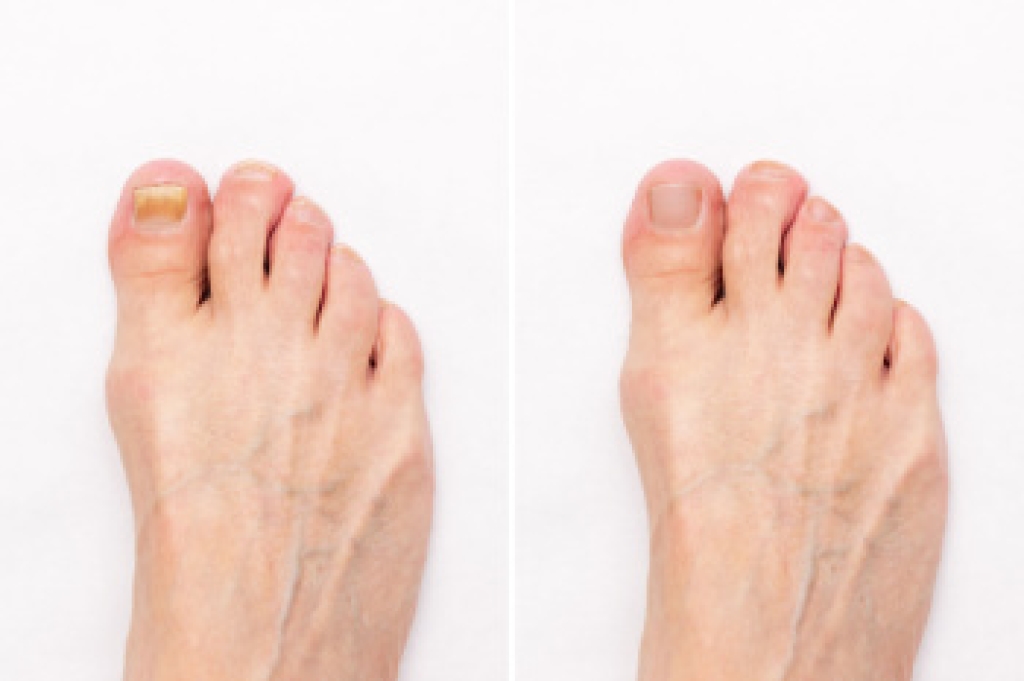
Toenail fungus, medically known as onychomycosis, is a fungal infection that causes them to become thickened, discolored, and brittle. It develops when fungi invade through tiny cracks in the nail or surrounding skin. Warm, moist environments, such as sweaty shoes or public showers, encourage its growth. Symptoms include yellowing, crumbling edges, and a foul odor. Risk factors include diabetes, poor circulation, or a weakened immune system. A podiatrist can diagnose the infection, trim and clean the affected nails, and prescribe topical or oral treatments to eliminate the fungus. If left untreated, the infection can spread and cause discomfort. If you notice changes in your toenails, it is suggested that you schedule a visit with a podiatrist who can offer effective treatment solutions.
For more information about treatment, contact Edward Orman, DPM of Honeygo Podiatry. Our doctor can provide the care you need to keep you pain-free and on your feet.
Toenail Fungus Treatment
Toenail fungus is a condition that affects many people and can be especially hard to get rid of. Fortunately, there are several methods to go about treating and avoiding it.
Antifungals & Deterrence
Oral antifungal medicine has been shown to be effective in many cases. It is important to consult with a podiatrist to determine the proper regiment for you, or potentially explore other options.
Applying foot powder on the feet and shoes helps keep the feet free of moisture and sweat.
Sandals or open toed shoes – Wearing these will allow air movement and help keep feet dry. They also expose your feet to light, which fungus cannot tolerate. Socks with moisture wicking material also help as well.
If you have any questions please contact our offices located in Perry Hall, and Fallston, MD . We offer the newest diagnostic and treatment technologies for all your foot and ankle needs.
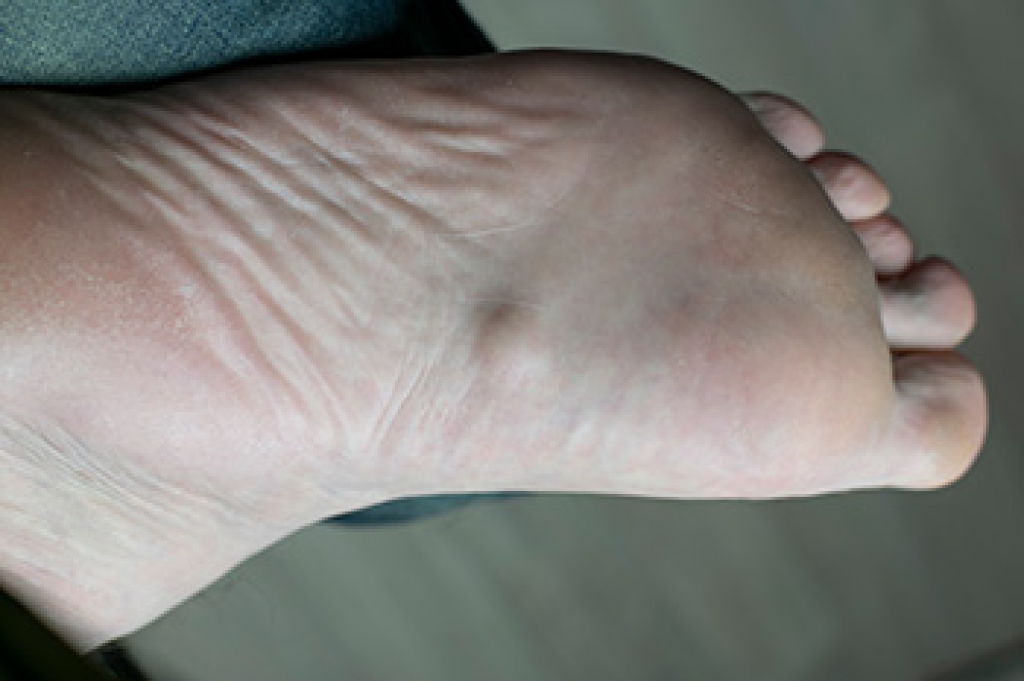
Plantar fibromatosis is a condition in which firm, fibrous nodules develop within the plantar fascia, the thick band of tissue that runs along the bottom of the foot. These nodules usually appear in the arch and can cause pain or discomfort while standing or walking. The exact cause is not always known, but factors such as genetics, repeated trauma, or certain medical conditions may contribute to its development. Symptoms include small lumps in the arch, tenderness, and tightness in the foot. A podiatrist can diagnose the condition through a physical exam and imaging tests, then recommend custom orthotics, stretching, or advanced therapies. If you have a lump in the arch of your foot, it is suggested that you consult a podiatrist for an expert evaluation and effective treatment solutions.
A plantar fibroma may disrupt your daily activities. If you have any concerns, contact Edward Orman, DPM of Honeygo Podiatry. Our doctor can provide the care you need to keep you pain-free and on your feet.
Plantar Fibroma
A plantar fibroma is a fibrous knot in the arch of the foot. It is embedded in the plantar fascia which is a band of tissue that extends from the heel to the toes along the bottom of the foot. There can be multiple plantar fibromas in the feet at the same time. There are no known causes for this condition. If you have a plantar fibroma, there will be a bump in the arch of your foot that cannot be missed. Any associated pain is most often due to a shoe rubbing against the nodule. Non-surgical options, such as steroid injections, physical therapy, and orthotics should be tried first. Surgery is a last resort and is the only thing that will remove a plantar fibroma entirely. Consult with a podiatrist for a proper diagnosis and to determine the treatment regimen that is right for you.
What Causes a Plantar Fibroma?
While there are no specific causes identified, a plantar fibroma can possibly come from genetic predisposition or the formation of scar tissue that forms from healing the tears in the plantar fascia.
What Are the Symptoms of a Plantar Fibroma?
There will be a noticeable lump in the arch of the foot that may or may not cause pain. If pain is felt, it is typically because a shoe is rubbing up against the lump or when walking or standing barefoot.
Treatment and Prevention
A plantar fibroma will not disappear without treatment, but it can get smaller and be a non-issue. If pain persists, a podiatrist examines the foot and when the arch of the foot is pressed, pain can be felt down to the toes. An MRI or biopsy might be performed to help diagnose or evaluate the plantar fibroma. The following non-surgical options are generally enough to reduce the size and pain of these nodules:
Surgery is considered if the mass increases in size and the patient continues to feel pain after non-surgical methods are tried.
If you have any questions, please feel free to contact our offices located in Perry Hall, and Fallston, MD . We offer the newest diagnostic and treatment technologies for all your foot care needs.

Gout is a painful, inflammatory form of arthritis. Those affected will typically feel an intense stiffness in the joints of their feet, particularly in the big toe. Schedule a visit to learn about how gout can be managed and treated.

An ankle fracture is a break in one or more of the bones that make up the ankle joint, often caused by sudden force or twisting. In frail adults, it can occur from a simple fall or awkward turn, while in younger individuals, it is often the result of high energy trauma ,such as sports injuries or accidents. Symptoms include pain, swelling, bruising, and difficulty bearing weight. A podiatrist can diagnose the severity through imaging, provide proper immobilization, and guide rehabilitation to restore strength and function. For an expert diagnosis and personalized treatment, it is suggested that you consult a podiatrist who can offer effective treatment solutions.
Broken ankles need immediate treatment. If you are seeking treatment, contact Edward Orman, DPM from Honeygo Podiatry. Our doctor can provide the care you need to keep you pain-free and on your feet.
Broken Ankles
A broken ankle is experienced when a person fractures their tibia or fibula in the lower leg and ankle area. Both of these bones are attached at the bottom of the leg and combine to form what we know to be our ankle.
When a physician is referring to a break of the ankle, he or she is usually referring to a break in the area where the tibia and fibula are joined to create our ankle joint. Ankles are more prone to fractures because the ankle is an area that suffers a lot of pressure and stress. There are some obvious signs when a person experiences a fractured ankle, and the following symptoms may be present.
Symptoms of a Fractured Ankle
If you suspect an ankle fracture, it is recommended to seek treatment as soon as possible. The sooner you have your podiatrist diagnose the fracture, the quicker you’ll be on the way towards recovery.
If you have any questions, please feel free to contact our offices located in Perry Hall, and Fallston, MD . We offer the newest diagnostic and treatment technologies for all your foot care needs.

Heel pain is a frequent complaint often caused by plantar fasciitis or Achilles tendonitis. Plantar fasciitis involves inflammation of the thick band of tissue along the bottom of the foot, leading to sharp pain near the heel, especially with the first steps in the morning. Achilles tendonitis affects the tendon at the back of the heel, resulting in aching or stiffness that worsens with activity. Both conditions are commonly caused by overuse, wearing improper footwear, tight calf muscles, or sudden increases in physical activity. The heel may appear swollen, tender, or warm to the touch. Pain may range from mild discomfort to severe limitation in walking or exercise. A podiatrist can evaluate your condition through a physical examination, a review of your activity history, and imaging studies, if needed. Treatment may include stretching exercises, orthotics, anti-inflammatory medications, and changes in footwear. It is suggested that you schedule an appointment with a podiatrist if heel pain continues or worsens.
Many people suffer from bouts of heel pain. For more information, contact Edward Orman, DPM of Honeygo Podiatry. Our doctor can provide the care you need to keep you pain-free and on your feet.
Causes of Heel Pain
Heel pain is often associated with plantar fasciitis. The plantar fascia is a band of tissues that extends along the bottom of the foot. A rip or tear in this ligament can cause inflammation of the tissue.
Achilles tendonitis is another cause of heel pain. Inflammation of the Achilles tendon will cause pain from fractures and muscle tearing. Lack of flexibility is also another symptom.
Heel spurs are another cause of pain. When the tissues of the plantar fascia undergo a great deal of stress, it can lead to ligament separation from the heel bone, causing heel spurs.
Why Might Heel Pain Occur?
Treatments
Heel pain should be treated as soon as possible for immediate results. Keeping your feet in a stress-free environment will help. If you suffer from Achilles tendonitis or plantar fasciitis, applying ice will reduce the swelling. Stretching before an exercise like running will help the muscles. Using all these tips will help make heel pain a condition of the past.
If you have any questions, please feel free to contact our offices located in Perry Hall, and Fallston, MD . We offer the newest diagnostic and treatment technologies for all your foot care needs.

Running places repetitive stress on the feet and ankles, which can lead to overuse injuries if alignment, footwear, or training habits are off. Common conditions include plantar fasciitis, Achilles tendon strain, stress fractures, and ankle sprains. These injuries often result from tight muscles, wearing worn-out shoes, or sudden increases in mileage or intensity. Early warning signs include persistent soreness, swelling, or stiffness that worsens with activity. Rest, stretching, and supportive footwear can help relieve mild discomfort, but ongoing pain should be evaluated by a podiatrist. Custom orthotics and gait analysis can correct imbalances and reduce pressure on vulnerable areas. Preventing running injuries starts with gradual training progress, proper warm-up routines, and shoes designed for your foot and running type. If pain is keeping you from running comfortably, it is suggested that you seek professional help from a podiatrist.
Exercising your feet regularly with the proper foot wear is a great way to prevent injuries. If you have any concerns about your feet, contact Edward Orman, DPM of Honeygo Podiatry. Our doctor will treat your foot and ankle needs.
How to Prevent Running Injuries
Many common running injuries are caused by overuse and overtraining. When the back of the kneecap starts wearing out and starts causing pain in your knee, this is commonly referred to as runner’s knee. Runner’s knee is a decrease in strength in your quadriceps and can occur if you’re not wearing properly fitted or supporting shoes. To prevent runner’s knee, focusing on hip strengthening is a good idea, as well as strengthening your quads to keep the kneecaps aligned.
What Are Some Causes of Running Injuries?
- One cause of a common running injury is called iliotibial band syndrome.
- Plantar fasciitis is also another common injury.
- Stress fractures can occur from overtraining, lack of calcium, or even your running style.
Best Ways to Prevent Running Injuries
- Wear footwear that fits properly and suits your running needs.
- Running shoes are the only protective gear that runners have to safeguard them from injury.
- Make a training schedule. Adding strengthening exercises as well as regular stretching can help keep you strong and limber and can lessen the possibility of injuries.
- Stretching keeps muscles limber; this will help you gain better flexibility.
If you have any questions, please feel free to contact our offices located in Perry Hall, and Fallston, MD . We offer the newest diagnostic and treatment technologies for all your foot care needs.
Connect With Us
