Key Facts About Clubfoot

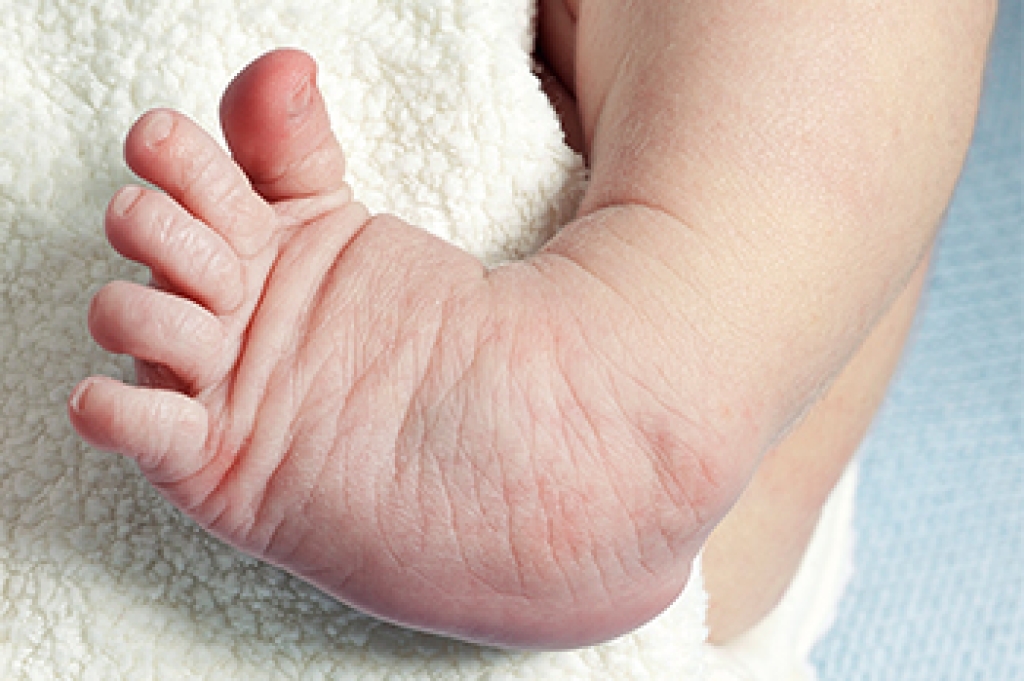
Clubfoot is a congenital condition where a baby’s foot is twisted out of shape or position, often with the toes pointing downward and inward. This condition affects one or both feet and occurs during fetal development. While the exact cause of clubfoot is unknown, it is believed to result from a combination of genetic and environmental factors. Clubfoot is diagnosed shortly after birth through a physical examination, and in some cases, an ultrasound may detect it before birth. Treatment for clubfoot typically involves a non-surgical procedure known as the Ponseti method, which uses gentle stretching and casting to correct the position of the foot. In more severe cases, surgery may be needed. With early intervention and appropriate treatment, most children with clubfoot can lead active and healthy lives, walking without pain or disability. If your child has been born with clubfoot, it is suggested that you include a podiatrist on your healthcare team for optimum recovery results.

Congenital foot problems require immediate attention to avoid future complications. If you have any concerns, contact Edward Orman, DPM of Honeygo Podiatry. Our doctor can provide the care you need to keep you pain-free and on your feet.

Congenital foot problems are deformities affecting the feet, toes, and/or ankles that children are born with. Some of these conditions have a genetic cause while others just happen. Some specific foot ailments that children may be born with include clubfeet, polydactyly/macrodactyly, and cleft foot. There are several other foot anomalies that can occur congenitally. What all of these conditions have in common is that a child may experience difficulty walking or performing everyday activities, as well as trouble finding footwear that fits their foot deformity. Some of these conditions are more serious than others. Consulting with a podiatrist as early as possible will help in properly diagnosing a child’s foot condition while getting the necessary treatment underway.

What are Causes of Congenital Foot Problem?

A congenital foot problem is one that happens to a child at birth. These conditions can be caused by a genetic predisposition, developmental or positional abnormalities during gestation, or with no known cause.

What are Symptoms of Congenital Foot Problems?

Symptoms vary by the congenital condition. Symptoms may consist of the following:

  • Clubfoot, where tendons are shortened, bones are shaped differently, and the Achilles tendon is tight, causing the foot to point in and down. It is also possible for the soles of the feet to face each other.
  • Polydactyly, which usually consists of a nubbin or small lump of tissue without a bone, a toe that is partially formed but has no joints, or an extra toe.
  • Vertical talus, where the talus bone forms in the wrong position causing other bones in the foot to line up improperly, the front of the foot to point up, and the bottom of the foot to stiffen, with no arch, and to curve out.
  • Tarsal coalition, when there is an abnormal connection of two or more bones in the foot leading to severe, rigid flatfoot.
  • Cleft foot, where there are missing toes, a V-shaped cleft, and other anatomical differences.
  • Macrodactyly, when the toes are abnormally large due to overgrowth of the underlying bone or soft tissue.

Treatment and Prevention

While there is nothing one can do to prevent congenital foot problems, raising awareness and receiving neonatal screenings are important. Early detection by taking your child to a podiatrist leads to the best outcome possible.

If you have any questions, please feel free to contact our offices located in Perry Hall, and Fallston, MD . We offer the newest diagnostic and treatment technologies for all your foot care needs.


Read more about Congenital Foot Problems

The Impact of Falling on the Feet and How to Prevent Injuries

Falling can significantly affect the feet, leading to injuries such as sprains, fractures, or bruises. When a person falls, the feet often bear the brunt of the impact, which can cause immediate pain and long-term complications. Several risk factors contribute to falls, including poor balance, weak muscles, slippery surfaces, and wearing improper footwear. People with certain health conditions, like diabetes or poor vision, may also face a higher risk of falling. To prevent falls and foot injuries, it is important to maintain good balance through exercises that strengthen the lower body. Wearing well-fitted, supportive shoes with non-slip soles can reduce the likelihood of slipping. Keeping living areas free of obstacles and ensuring proper lighting can also help minimize fall risks. If you have endured foot injuries from falling, it is suggested that you contact a podiatrist who can educate you about effective fall prevention techniques.

Preventing falls among the elderly is very important. If you are older and have fallen or fear that you are prone to falling, consult with Edward Orman, DPM from Honeygo Podiatry. Our doctor will assess your condition and provide you with quality advice and care.

Every 11 seconds, an elderly American is being treated in an emergency room for a fall related injury. Falls are the leading cause of head and hip injuries for those 65 and older. Due to decreases in strength, balance, senses, and lack of awareness, elderly persons are very susceptible to falling. Thankfully, there are a number of things older persons can do to prevent falls.

How to Prevent Falls

Some effective methods that older persons can do to prevent falls include:

  • Enrolling in strength and balance exercise program to increase balance and strength
  • Periodically having your sight and hearing checked
  • Discuss any medications you have with a doctor to see if it increases the risk of falling
  • Clearing the house of falling hazards and installing devices like grab bars and railings
  • Utilizing a walker or cane
  • Wearing shoes that provide good support and cushioning
  • Talking to family members about falling and increasing awareness

Falling can be a traumatic and embarrassing experience for elderly persons; this can make them less willing to leave the house, and less willing to talk to someone about their fears of falling. Doing such things, however, will increase the likelihood of tripping or losing one’s balance. Knowing the causes of falling and how to prevent them is the best way to mitigate the risk of serious injury.  

If you have any questions, please feel free to contact our offices located in Perry Hall, and Fallston, MD . We offer the newest diagnostic and treatment technologies for all your foot care needs.

Read more about Falls Prevention

Do Your Child's Feet Hurt?

Have your child's feet been examined lately? Healthy feet are happy feet. If your child is complaining of foot pain, it may be a sign of underlying problems.

Preventing Ankle Sprains in Basketball Players

Ankle sprains are a common injury among basketball players due to the high-intensity movements such as quick direction changes, jumping, and landing. These actions put significant stress on the ankle ligaments, increasing the risk of spraining the ankle. Weak or imbalanced muscles surrounding the ankle joint and poor conditioning can make players more vulnerable. To prevent ankle sprains, strengthening exercises like the single leg calf raise help improve stability and strengthen the calves, which support the ankle. Single leg ladder drills can enhance coordination, agility, and ankle stability, helping players react quickly and safely during movements. The plate raise exercise targets the muscles of the lower legs and feet, enhancing balance and joint support. If you have endured an ankle injury while playing basketball, it is suggested that you contact a podiatrist who can treat various foot and ankle injuries, and guide you on additional injury prevention tips.

Sports related foot and ankle injuries require proper treatment before players can go back to their regular routines. For more information, contact Edward Orman, DPM of Honeygo Podiatry. Our doctor can provide the care you need to keep you pain-free and on your feet.

Sports Related Foot and Ankle Injuries

Foot and ankle injuries are a common occurrence when it comes to athletes of any sport. While many athletes dismiss the initial aches and pains, the truth is that ignoring potential foot and ankle injuries can lead to serious problems. As athletes continue to place pressure and strain the area further, a mild injury can turn into something as serious as a rupture and may lead to a permanent disability. There are many factors that contribute to sports related foot and ankle injuries, which include failure to warm up properly, not providing support or wearing bad footwear. Common injuries and conditions athletes face, including:

  • Plantar Fasciitis
  • Achilles Tendinitis
  • Achilles Tendon Rupture
  • Ankle Sprains

Sports related injuries are commonly treated using the RICE method. This includes rest, applying ice to the injured area, compression and elevating the ankle. More serious sprains and injuries may require surgery, which could include arthroscopic and reconstructive surgery. Rehabilitation and therapy may also be required in order to get any recovering athlete to become fully functional again. Any unusual aches and pains an athlete sustains must be evaluated by a licensed, reputable medical professional.

If you have any questions please contact our offices located in Perry Hall, and Fallston, MD . We offer the newest diagnostic and treatment technologies for all your foot and ankle needs.

Read more about Sports Related Foot And Ankle Injuries

Facts About Foot Stress Fractures

Stress fractures are hairline cracks in bones caused by repetitive stress rather than a sudden injury. Stress fractures, which are common among runners and athletes like basketball players, frequently affect the metatarsals, heel bone, and other weight-bearing bones in the foot and ankle. Symptoms of stress fractures usually start as mild pain during activity and gradually worsen, potentially leading to discomfort, even at rest. Contributing factors include sudden increases in activity levels, wearing improper footwear, or poor bone health. A podiatrist can diagnose stress fractures through imaging tests like MRI scans, as they are difficult to detect with X-rays. Treatment often involves using a walking boot or cast to immobilize the area and allow the bone to heal. In some cases, crutches may be necessary to reduce weight-bearing. A podiatrist can provide guidance on preventing future fractures by addressing footwear, activity modification, and proper nutrition for bone health. If you have foot pain caused by stress fractures, it is suggested that you schedule an appointment with a podiatrist for an exam and treatment.

Activities where too much pressure is put on the feet can cause stress fractures. To learn more, contact Edward Orman, DPM from Honeygo Podiatry. Our doctor can provide the care you need to keep your pain free and on your feet.

Dealing with Stress Fractures of the Foot and Ankle

Stress fractures occur in the foot and ankle when muscles in these areas weaken from too much or too little use.  The feet and ankles then lose support when walking or running from the impact of the ground. Since there is no protection, the bones receive the full impact of each step. Stress on the feet can cause cracks to form in the bones, thus creating stress fractures.

What Are Stress Fractures?

Stress fractures occur frequently in individuals whose daily activities cause great impact on the feet and ankles. Stress factors are most common among:

  • Runners                                
  • People affected with Osteoporosis
  • Tennis or basketball players
  • Gymnasts
  • High impact workouts

Symptoms

Pain from the fractures occur in the area of the fractures and can be constant or intermittent. It will often cause sharp or dull pain with swelling and tenderness. Engaging in any kind of activity which involves high impact will aggravate pain.

If you have any questions please contact our offices located in Perry Hall, and Fallston, MD . We offer the newest diagnostic and treatment technologies for all your foot and ankle needs.

Read more about Dealing with Stress Fractures of the Foot and Ankle

Connect With Us

scroll to top