
Stretching and Exercising as Part of Plantar Fasciitis Treatment

Plantar fasciitis is inflammation of the plantar fascia, a thick band of tissue connecting the heel to the toes, causing stabbing pain in the heel, especially upon waking or after long periods of inactivity. Common in runners, people with high arches or flat feet, and those who stand for extended hours, it affects a broad range of active adults and older individuals. Stretching and exercises are essential in podiatric treatment, helping to reduce pain, improve flexibility, and support recovery. Recommended stretches include calf and foot stretches, such as pulling the toes back to elongate the plantar fascia. Strengthening exercises focus on the muscles of the foot and lower leg, like toe curls or using a towel to pull the toes gently toward the body. Consistent stretching, particularly before and after activity, can improve symptoms and prevent recurrence. If you have plantar fasciitis, it is strongly suggested that you consult with a podiatrist for treatment, which will likely involve stretches and exercises.

Plantar fasciitis can be very painful and inconvenient. If you are experiencing heel pain or symptoms of plantar fasciitis, contact Edward Orman, DPM  from Honeygo Podiatry. Our doctor can provide the care you need to keep you pain-free and on your feet.

What Is Plantar Fasciitis?

Plantar fasciitis is the inflammation of the thick band of tissue that runs along the bottom of your foot, known as the plantar fascia, and causes mild to severe heel pain.

What Causes Plantar Fasciitis?

  • Excessive running
  • Non-supportive shoes
  • Overpronation
  • Repeated stretching and tearing of the plantar fascia

How Can It Be Treated?

  • Conservative measures – anti-inflammatories, ice packs, stretching exercises, physical therapy, orthotic devices
  • Shockwave therapy – sound waves are sent to the affected area to facilitate healing and are usually used for chronic cases of plantar fasciitis
  • Surgery – usually only used as a last resort when all else fails. The plantar fascia can be surgically detached from the heel

While very treatable, plantar fasciitis is definitely not something that should be ignored. Especially in severe cases, speaking to your doctor right away is highly recommended to avoid complications and severe heel pain. Your podiatrist can work with you to provide the appropriate treatment options tailored to your condition.

If you have any questions, please feel free to contact our offices located in Perry Hall, and Fallston, MD . We offer the newest diagnostic and treatment technologies for all your foot care needs.

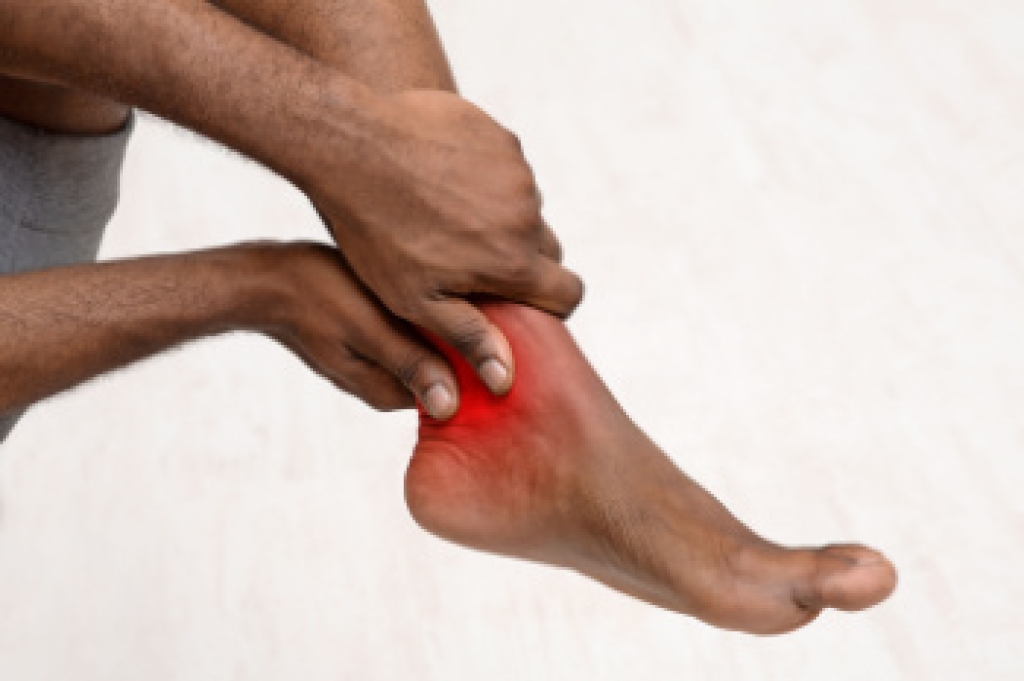
Read more about Plantar Fasciitis

Managing Gout

Gout is a form of arthritis resulting in sudden, severe pain, redness, and swelling that often affects the big toe. It occurs when uric acid builds up in the bloodstream, forming crystals in the joints. Common causes include a diet high in purines, which are found in red meat, seafood, and alcohol. Obesity, and certain medical conditions, like hypertension, may also be factors. Symptoms of gout typically appear suddenly, often at night, and can last for days. While the intense pain can subside, recurrent attacks may occur, leading to chronic discomfort. Treatment options include medications to manage pain and inflammation, lifestyle changes such as dietary adjustments, and maintaining a healthy weight. A podiatrist can play a key role in managing gout by providing a personalized care plan, advising on footwear choices to reduce joint stress, and recommending targeted exercises to improve mobility. If you are experiencing symptoms of gout, it is suggested that you schedule an appointment with a podiatrist for expert guidance and support.

Gout is a foot condition that requires certain treatment and care. If you are seeking treatment, contact Edward Orman, DPM from Honeygo Podiatry. Our doctor will treat your foot and ankle needs.

What Is Gout?

Gout is a type of arthritis caused by a buildup of uric acid in the bloodstream. It often develops in the foot, especially the big toe area, although it can manifest in other parts of the body as well. Gout can make walking and standing very painful and is especially common in diabetics and the obese.

People typically get gout because of a poor diet. Genetic predisposition is also a factor. The children of parents who have had gout frequently have a chance of developing it themselves.

Gout can easily be identified by redness and inflammation of the big toe and the surrounding areas of the foot. Other symptoms include extreme fatigue, joint pain, and running high fevers. Sometimes corticosteroid drugs can be prescribed to treat gout, but the best way to combat this disease is to get more exercise and eat a better diet.

If you have any questions, please feel free to contact our offices located in Perry Hall, and Fallston, MD . We offer the newest diagnostic and treatment technologies for all your foot care needs.

Read more about Everything You Need to Know About Gout

Osteoarthritis of the Ankle

Osteoarthritis of the ankle is less common than in the knees or hips, but it can significantly affect quality of life. It often develops after injury, such as a fracture or sprain, leading to wear and tear of the cartilage. The average age of onset is typically in the 50s, but earlier cases may occur after trauma. Symptoms include pain, stiffness, and swelling, making it difficult to walk or stand for long periods of time. Initial treatments focus on relieving symptoms with conservative measures like targeted stretching exercises and supportive footwear. If pain persists, more advanced options include cortisone injections and orthotics. In severe cases, surgery may be necessary, ranging from joint-preserving procedures like arthroscopy or osteotomy to joint-sacrificing options like ankle fusion or total ankle replacement to restore mobility and reduce pain. If you suffer from ankle arthritis, it is suggested that you schedule an appointment with a podiatrist for an evaluation and treatment for the level of pain you are experiencing.

Arthritis can be a difficult condition to live with. If you are seeking treatment, contact Edward Orman, DPM from Honeygo Podiatry. Our doctor can provide the care you need to keep you pain-free and on your feet.

Arthritic Foot Care  

Arthritis is a joint disorder that involves the inflammation of different joints in your body, such as those in your feet. Arthritis is often caused by a degenerative joint disease and causes mild to severe pain in all affected areas. In addition to this, swelling and stiffness in the affected joints can also be a common symptom of arthritis.

In many cases, wearing ill-fitting shoes can worsen the effects and pain of arthritis. Wearing shoes that have a lower heel and extra room can help your feet feel more comfortable. In cases of rheumatoid arthritis, the arch in your foot may become problematic. Buying shoes with proper arch support that contour to your feet can help immensely.

Alleviating Arthritic Pain

  • Exercises that stretch the foot can prevent further pain and injury and increase mobility
  • Most of the pain can be alleviated with anti-inflammatory drugs, heat, and topical medications
  • Massages can help temporarily alleviate pain.

It is best to see your doctor for the treatment that is right for your needs and symptoms. Conditions vary, and a podiatrist can help you determine the right method of care for your feet.

If you have any questions please feel free to contact our offices located in Perry Hall, and Fallston, MD . We offer the newest diagnostic tools and technology to treat your foot and ankle needs.

Read more about Arthritic Foot Care

Diagnosis and Treatment of Foot Fractures

Foot fractures can occur from trauma, overuse, or accidents, and proper diagnosis is imperative for effective treatment. Symptoms include swelling, bruising, difficulty bearing weight, and intense pain. A podiatrist will diagnose a foot fracture through a physical exam and imaging tests to determine the extent and type of fracture. Treatment depends on the severity and location of the fracture. Minor fractures may heal with rest, in addition to wearing a protective boot or cast. More severe fractures may require immobilization with a cast or even surgery to realign the bones. Timely diagnosis and appropriate treatment are essential to ensure proper healing, prevent complications, and restore mobility. If you have sustained a foot fracture, it is suggested that you schedule an appointment with a podiatrist for appropriate treatment methods.

A broken foot requires immediate medical attention and treatment. If you need your feet checked, contact Edward Orman, DPM from Honeygo Podiatry. Our doctor can provide the care you need to keep you pain-free and on your feet.

Broken Foot Causes, Symptoms, and Treatment

A broken foot is caused by one of the bones in the foot typically breaking when bended, crushed, or stretched beyond its natural capabilities. Usually the location of the fracture indicates how the break occurred, whether it was through an object, fall, or any other type of injury. 

Common Symptoms of Broken Feet:

  • Bruising
  • Pain
  • Redness
  • Swelling
  • Blue in color
  • Numbness
  • Cold
  • Misshapen
  • Cuts
  • Deformities

Those that suspect they have a broken foot shoot seek urgent medical attention where a medical professional could diagnose the severity.

Treatment for broken bones varies depending on the cause, severity and location. Some will require the use of splints, casts or crutches while others could even involve surgery to repair the broken bones. Personal care includes the use of ice and keeping the foot stabilized and elevated.

If you have any questions, please feel free to contact our offices located in Perry Hall, and Fallston, MD . We offer the newest diagnostic and treatment technologies for all your foot care needs.

Read more about Causes, Symptoms, and Treatment for a Broken Foot

Wounds That Don't Heal Need to Be Checked

Your feet are covered most of the day. If you're diabetic, periodic screening is important for good health. Numbness is often a sign of diabetic foot and can mask a sore or wound.

Connect With Us

scroll to top