
Building Strong Feet

Keeping the feet strong can improve balance, stability, and overall movement during daily activities. One helpful exercise is a towel scrunch. Place a small towel on the floor, rest your foot on top, and slowly pull the towel toward you by curling your toes. This strengthens the small muscles that support the arch. Another useful exercise is the heel raise. Stand near a counter for support, lift your heels until you are on the balls of your feet, pause briefly, and lower with control. This helps build strength in the calves and improves ankle stability. While these movements support functional fitness, they are most effective when performed correctly and paired with proper footwear and healthy mechanics. A podiatrist can evaluate your foot structure, recommend appropriate exercises, and address any discomfort that limits progress. If foot pain develops during these activities, it is suggested that you see a podiatrist for effective relief tips and additional guidance on exercising the feet.

Exercising your feet regularly with the proper foot wear is a great way to prevent injuries and build strength. If you have any concerns about your feet, contact Edward Orman, DPM from Honeygo Podiatry. Our doctor can provide the care you need to keep you pain-free and on your feet.

Exercise for Your Feet

Exercise for your feet can help you gain strength, mobility and flexibility in your feet. They say that strengthening your feet can be just as rewarding as strengthening another part of the body. Your feet are very important, and we often forget about them in our daily tasks. But it is because of our feet that are we able to get going and do what we need to. For those of us fortunate enough to not have any foot problems, it is an important gesture to take care of them to ensure good health in the long run.

Some foot health exercises can include ankle pumps, tip-toeing, toe rises, lifting off the floor doing reps and sets, and flexing the toes. It is best to speak with Our doctor to determine an appropriate regimen for your needs. Everyone’s needs and bodies are different, and the activities required to maintain strength in the feet vary from individual to individual. 

Once you get into a routine of doing regular exercise, you may notice a difference in your feet and how strong they may become.

If you have any questions, please feel free to contact our offices located in Perry Hall, and Fallston, MD . We offer the newest diagnostic and treatment technologies for all your foot care needs.


Read more about Exercise for Your Feet

Understanding Plantar Fasciitis

Plantar fasciitis is a frequent source of heel and arch pain that develops when the thick band of tissue along the bottom of the foot becomes strained or inflamed. The foot may look normal on the outside, yet it often feels stiff, tender, or sharp with pain that is most noticeable during the first steps in the morning or after rest. Symptoms include aching in the heel, tightness through the arch, and discomfort that increases with prolonged standing, walking, or exercise. Causes may involve overuse, wearing poor footwear, flat or high arches, or sudden changes in activity levels. A podiatrist can begin by examining your foot structure, evaluating inflammation, and identifying any gait or alignment issues. Treatment may include stretching routines, supportive footwear guidance, or targeted interventions designed to reduce strain on the plantar fascia and promote healing. Because early management can prevent long-term problems and restore daily comfort, it is suggested that you schedule an appointment with a podiatrist for effective relief and treatment solutions.

Plantar fasciitis is a common foot condition that is often caused by a strain injury. If you are experiencing heel pain or symptoms of plantar fasciitis, contact Edward Orman, DPM from Honeygo Podiatry. Our doctor can provide the care you need to keep you pain-free and on your feet.

What Is Plantar Fasciitis?

Plantar fasciitis is one of the most common causes of heel pain. The plantar fascia is a ligament that connects your heel to the front of your foot. When this ligament becomes inflamed, plantar fasciitis is the result. If you have plantar fasciitis you will have a stabbing pain that usually occurs with your first steps in the morning. As the day progresses and you walk around more, this pain will start to disappear, but it will return after long periods of standing or sitting.

What Causes Plantar Fasciitis?

  • Excessive running
  • Having high arches in your feet
  • Other foot issues such as flat feet
  • Pregnancy (due to the sudden weight gain)
  • Being on your feet very often

There are some risk factors that may make you more likely to develop plantar fasciitis compared to others. The condition most commonly affects adults between the ages of 40 and 60. It also tends to affect people who are obese because the extra pounds result in extra stress being placed on the plantar fascia.

Prevention

  • Take good care of your feet – Wear shoes that have good arch support and heel cushioning.
  • Maintain a healthy weight
  • If you are a runner, alternate running with other sports that won’t cause heel pain

There are a variety of treatment options available for plantar fasciitis along with the pain that accompanies it. Additionally, physical therapy is a very important component in the treatment process. It is important that you meet with your podiatrist to determine which treatment option is best for you.

If you have any questions, please feel free to contact our offices located in Perry Hall, and Fallston, MD . We offer the newest diagnostic and treatment technologies for all your foot care needs.
 

Read more about Plantar Fasciitis

Causes of Foot Tingling

Foot tingling is a common symptom that can signal underlying health concerns affecting the nerves, circulation, or musculoskeletal system. Conditions like diabetes, multiple sclerosis, and hypothyroidism can lead to nerve damage or neuropathy, resulting in tingling, numbness, or burning sensations in the feet. Mechanical issues like tarsal tunnel syndrome, where the nerve is compressed near the ankle, can also produce similar symptoms. Risk factors include prolonged standing, wearing poorly fitting footwear, or a history of foot injury. A podiatrist can perform a thorough evaluation to identify the cause, recommend appropriate testing, and provide targeted treatments such as orthotics, nerve decompression techniques, or lifestyle adjustments. If you have these sensations in your feet, it is suggested that you consult a podiatrist who can determine what the cause is, and offer appropriate treatment solutions. 

Foot Pain

Foot pain can be extremely painful and debilitating. If you have a foot pain, consult with Edward Orman, DPM from Honeygo Podiatry. Our doctor will assess your condition and provide you with quality foot and ankle treatment.

Causes

Foot pain is a very broad condition that could be caused by one or more ailments. The most common include:

  • Bunions
  • Hammertoes
  • Plantar Fasciitis
  • Bone Spurs
  • Corns
  • Tarsal Tunnel Syndrome
  • Ingrown Toenails
  • Arthritis (such as Gout, Rheumatoid, and Osteoarthritis)
  • Flat Feet
  • Injury (from stress fractures, broken toe, foot, ankle, Achilles tendon ruptures, and sprains)
  • And more

Diagnosis

To figure out the cause of foot pain, podiatrists utilize several different methods. This can range from simple visual inspections and sensation tests to X-rays and MRI scans. Prior medical history, family medical history, and any recent physical traumatic events will all be taken into consideration for a proper diagnosis.

Treatment

Treatment depends upon the cause of the foot pain. Whether it is resting, staying off the foot, or having surgery; podiatrists have a number of treatment options available for foot pain.

If you have any questions, please feel free to contact our offices located in Perry Hall, and Fallston, MD . We offer the newest diagnostic and treatment technologies for all your foot care needs.

Read more about Foot Pain

Advanced Treatment for Ingrown Toenails

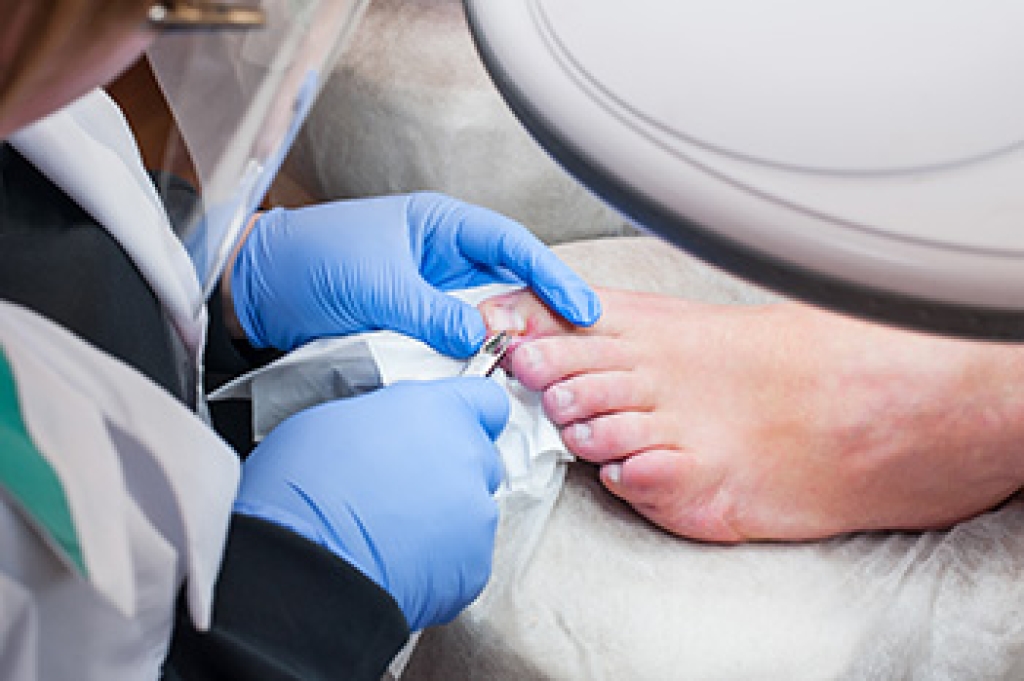
Surgical treatment for ingrown toenails focuses on relieving pain, reducing infection, and preventing the nail from growing into the skin again. When the side of a toenail digs into the skin, it can cause redness, swelling, and tenderness. If left untreated, the area can become infected and make walking uncomfortable. For more severe or recurring cases, a podiatrist can perform one of several surgical procedures in which a small part of the toenail or the skin around it is carefully removed to stop the edge of the nail from digging into the toe. This helps the nail grow straight and prevents it from cutting into the skin again. The procedure is done under local anesthesia, and healing usually occurs within a few weeks. A podiatrist can determine which approach will provide lasting relief and promote healthy nail growth. If you have a painful or recurring ingrown toenail, it is suggested that you make an appointment with a podiatrist for a diagnosis and treatment.

Ingrown toenails can become painful if they are not treated properly. For more information about ingrown toenails, contact Edward Orman, DPM of Honeygo Podiatry. Our doctor can provide the care you need to keep you pain-free and on your feet.

Ingrown Toenails

Ingrown toenails occur when a toenail grows sideways into the bed of the nail, causing pain, swelling, and possibly infection.

Causes

  • Bacterial infections
  • Improper nail cutting such as cutting it too short or not straight across
  • Trauma to the toe, such as stubbing, which causes the nail to grow back irregularly
  • Ill-fitting shoes that bunch the toes too close together
  • Genetic predisposition

Prevention

Wearing proper fitting shoes and using proper cutting techniques will also help decrease your risk of developing ingrown toenails.

Treatment

Ingrown toenails are a very treatable foot condition. In minor cases, soaking the affected area in salt or antibacterial soaps will not only help with the ingrown nail itself, but also help prevent any infections from occurring. In more severe cases, surgery is an option. In either case, speaking to your podiatrist about this condition will help you get a better understanding of specific treatment options that are right for you.

If you have any questions, please feel free to contact our offices located in Perry Hall, and Fallston, MD . We offer the newest diagnostic and treatment technologies for all your foot care needs.

Read more about Ingrown Toenail Care

Connect With Us

scroll to top