How Overpronation Can Affect the Feet

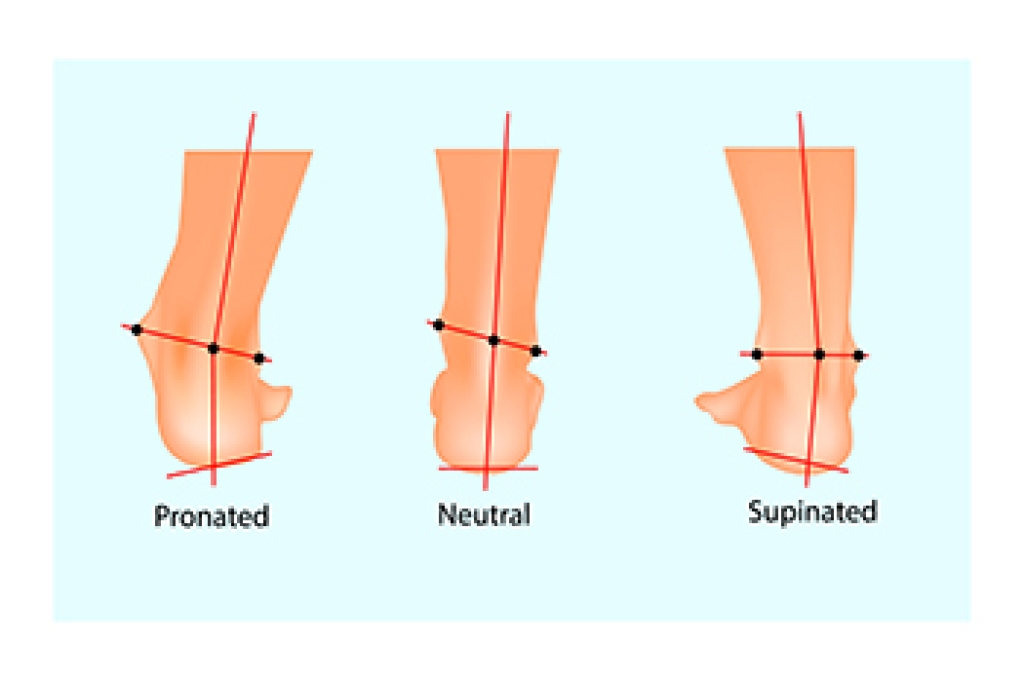
Overpronation is a common foot condition that can have a significant effect on your feet as well as your overall health. This malady occurs when the arches of the feet collapse excessively inward while walking or running. While some degree of pronation is normal, overpronation can lead to various issues. One of the most noticeable effects of overpronation is pain and discomfort. The excessive rolling of the foot can cause strain on the arches, leading to arch and heel pain. It can also contribute to problems in other body parts, such as shin splints, knee pain, and lower back pain as the misalignment in the feet affects the lower body's alignment. Over time, untreated overpronation can lead to more serious issues, including bunions, plantar fasciitis, and Achilles tendonitis. It also may be connected to development of hammertoes and Morton’s neuroma. Fortunately, podiatrists can provide solutions like custom orthotics and exercises to help alleviate the effects of overpronation and prevent further complications. If you suspect you may have overpronation issues, it is suggested that you make an appointment with a podiatrist for a gait evaluation and discussion on whether custom orthotics may be needed to keep your feet healthy and pain-free.

If you have any concerns about your feet, contact Edward Orman, DPM from Honeygo Podiatry. Our doctor can provide the care you need to keep you pain-free and on your feet.

Biomechanics in Podiatry

Podiatric biomechanics is a particular sector of specialty podiatry with licensed practitioners who are trained to diagnose and treat conditions affecting the foot, ankle and lower leg. Biomechanics deals with the forces that act against the body, causing an interference with the biological structures. It focuses on the movement of the ankle, the foot and the forces that interact with them.

A History of Biomechanics

  • Biomechanics dates back to the BC era in Egypt where evidence of professional foot care has been recorded.
  • In 1974, biomechanics gained a higher profile from the studies of Merton Root, who claimed that by changing or controlling the forces between the ankle and the foot, corrections or conditions could be implemented to gain strength and coordination in the area.

Modern technological improvements are based on past theories and therapeutic processes that provide a better understanding of podiatric concepts for biomechanics. Computers can provide accurate information about the forces and patterns of the feet and lower legs.

Understanding biomechanics of the feet can help improve and eliminate pain, stopping further stress to the foot.

If you have any questions please feel free to contact our offices located in Perry Hall, and Fallston, MD . We offer the newest diagnostic and treatment technologies for all your foot and ankle needs.

Read more about The Importance of Biomechanics in Podiatry

Causes and Treatment of Morton’s Neuroma

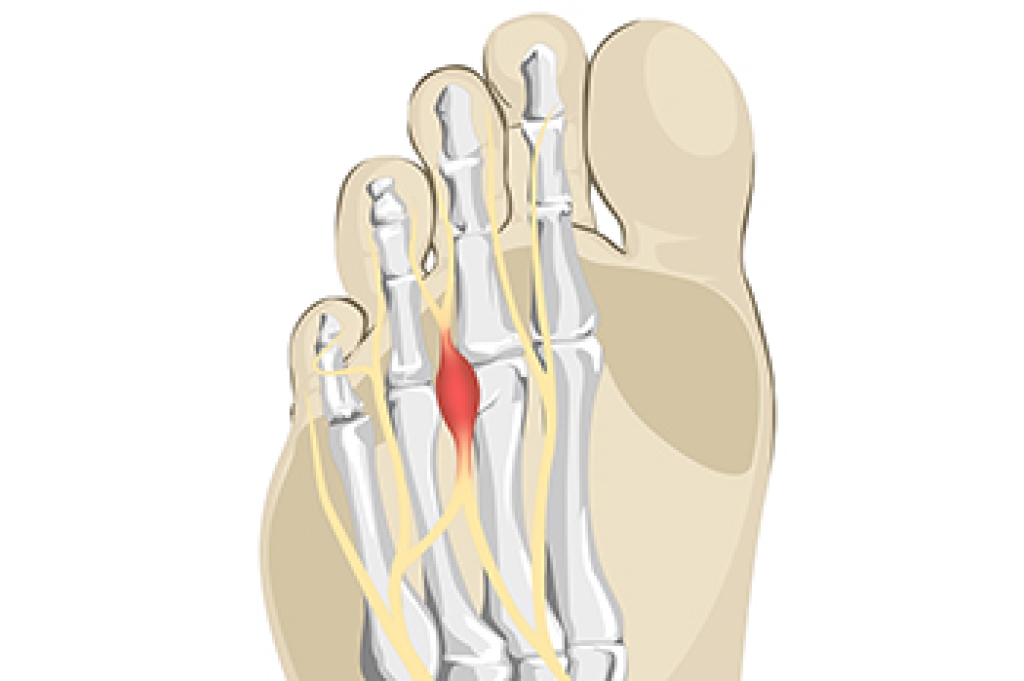
Morton's neuroma, a painful foot condition, is a thickening of the tissue surrounding the nerves leading to the toes. The area most commonly affected is between the third and fourth toes. Morton’s neuroma can cause discomfort and a sensation of standing on a pebble or having a fold in your sock. It is primarily attributed to repeated pressure and irritation of the nerve, often stemming from wearing tight or high-heeled shoes. Activities that involve repetitive stress on the forefoot, such as running or certain sports, can also contribute to its development. Treatment for Morton's neuroma typically begins conservatively, focusing on alleviating symptoms. This may include wearing wider, more comfortable shoes, or using shoe inserts or orthotics that may provide better arch support and cushioning. Additionally, taking anti-inflammatory medications to reduce pain and inflammation may be helpful. In more severe cases, cortico-steroid injections or surgical intervention to remove the affected nerve may be considered. If you suspect you have Morton's neuroma, it is suggested that you make an appointment with a podiatrist for a proper diagnosis and personalized treatment plan.

Morton’s neuroma is a very uncomfortable condition to live with. If you think you have Morton’s neuroma, contact Edward Orman, DPM of Honeygo Podiatry. Our doctor will attend to all of your foot care needs and answer any of your related questions.  

Morton’s Neuroma

Morton's neuroma is a painful foot condition that commonly affects the areas between the second and third or third and fourth toe, although other areas of the foot are also susceptible. Morton’s neuroma is caused by an inflamed nerve in the foot that is being squeezed and aggravated by surrounding bones.

What Increases the Chances of Having Morton’s Neuroma?

  • Ill-fitting high heels or shoes that add pressure to the toe or foot
  • Jogging, running or any sport that involves constant impact to the foot
  • Flat feet, bunions, and any other foot deformities

Morton’s neuroma is a very treatable condition. Orthotics and shoe inserts can often be used to alleviate the pain on the forefront of the feet. In more severe cases, corticosteroids can also be prescribed. In order to figure out the best treatment for your neuroma, it’s recommended to seek the care of a podiatrist who can diagnose your condition and provide different treatment options.

If you have any questions, please feel free to contact our offices located in Perry Hall, and Fallston, MD . We offer the newest diagnostic and treatment technologies for all your foot care needs.

Read more about Morton's Neuroma

Risk Factors for Gout

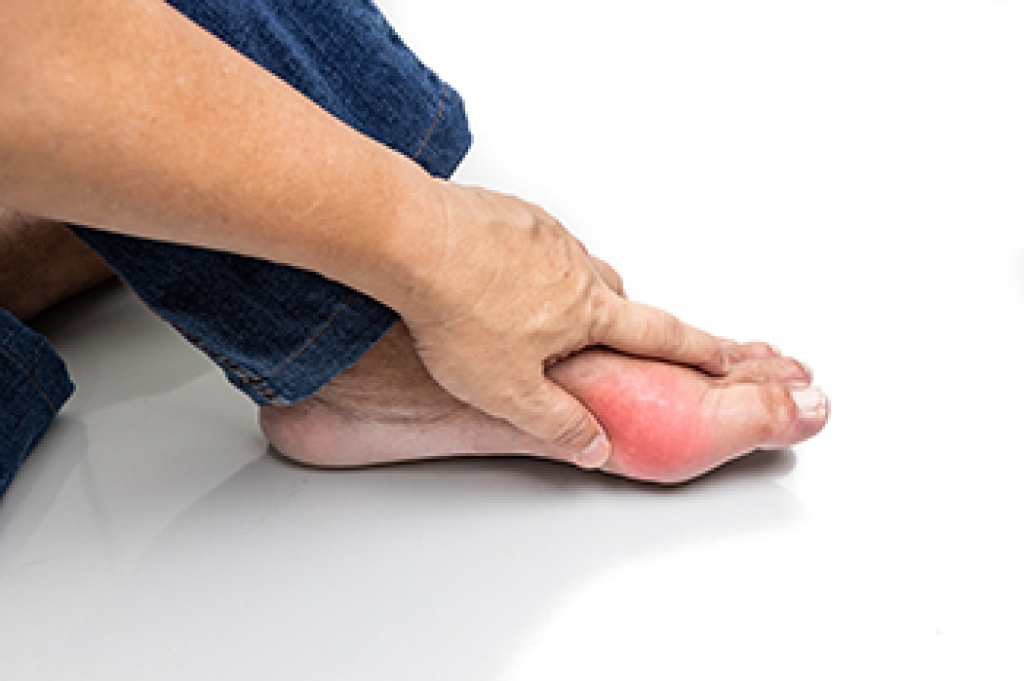
Gout, a painful form of arthritis, can disrupt your daily life, and if left untreated can cause serious joint damage. Recognizing the risk factors associated with gout is needed for prevention and early management. Diet plays a significant role, because a high intake of purine-rich foods like red meat, seafood, and alcohol increases uric acid levels, a primary trigger of gout. Genetics also play a role, as a family history of gout can elevate your risk. Certain genetic factors may predispose individuals to higher uric acid production or decreased excretion. Additionally, obesity is a contributing factor, as being overweight places added stress on joints and can lead to higher uric acid levels. Gout is more common in men, especially after the age of 30, and in women, the risk tends to increase after menopause. Certain medications can raise uric acid levels, and underlying health conditions like high blood pressure, diabetes, and kidney disease can further increase the risk of developing gout. To create a personalized prevention or treatment plan to battle gout it is suggested that you make an appointment with a podiatrist.

Gout is a painful condition that can be treated. If you are seeking treatment, contact Edward Orman, DPM from Honeygo Podiatry. Our doctor will treat your foot and ankle needs.

What Is Gout?

Gout is a form of arthritis that is characterized by sudden, severe attacks of pain, redness, and tenderness in the joints. The condition usually affects the joint at the base of the big toe. A gout attack can occur at any random time, such as the middle of the night while you are asleep.

Symptoms

  • Intense Joint Pain - Usually around the large joint of your big toe, and it most severe within the first four to twelve hours
  • Lingering Discomfort - Joint discomfort may last from a few days to a few weeks
  • Inflammation and Redness -Affected joints may become swollen, tender, warm and red
  • Limited Range of Motion - May experience a decrease in joint mobility

Risk Factors

  • Genetics - If family members have gout, you’re more likely to have it
  • Medications - Diuretic medications can raise uric acid levels
  • Gender/Age - Gout is more common in men until the age of 60. It is believed that estrogen protects women until that point
  • Diet - Eating red meat and shellfish increases your risk
  • Alcohol - Having more than two alcoholic drinks per day increases your risk
  • Obesity - Obese people are at a higher risk for gout

Prior to visiting your podiatrist to receive treatment for gout, there are a few things you should do beforehand. If you have gout you should write down your symptoms--including when they started and how often you experience them, important medical information you may have, and any questions you may have. Writing down these three things will help your podiatrist in assessing your specific situation so that he or she may provide the best route of treatment for you.

If you have any questions, please feel free to contact our offices located in Perry Hall, and Fallston, MD . We offer the newest diagnostic and treatment technologies for all your foot care needs.

Read more about Gout

Care for Senior Foot Health

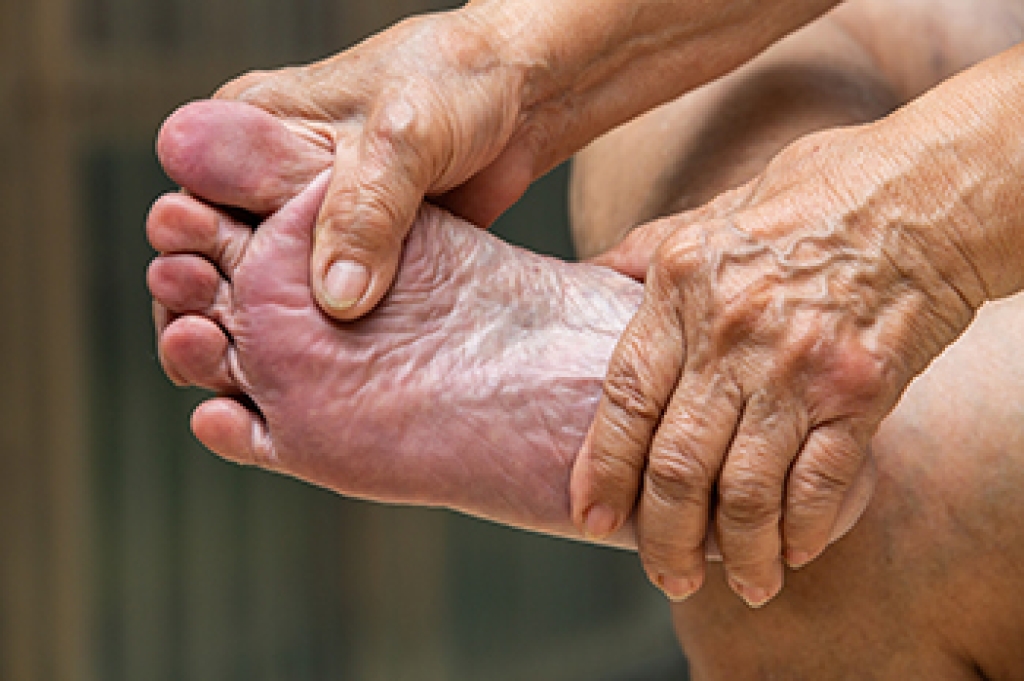
As people age, their bodies undergo various changes, and the feet are no exception. Senior citizens often encounter a range of foot problems that can significantly effect their mobility and overall quality of life. One of the most common issues is arthritis, which can cause pain, stiffness, and reduced joint flexibility. Additionally, decreased blood circulation and thinner skin make seniors more susceptible to foot sores and slow wound healing. To prevent these conditions, seniors must prioritize foot care. This includes wearing comfortable, supportive shoes, maintaining proper hygiene, and inspecting their feet regularly for any signs of problems. Regular exercise can also help improve circulation and reduce the risk of foot ailments. By taking proactive steps to care for their feet, seniors can enjoy greater comfort and mobility. If you have questions about elderly foot care, it is suggested that you consult a podiatrist who can address any concerns you may have.

Proper foot care is something many older adults forget to consider. If you have any concerns about your feet and ankles, contact Edward Orman, DPM from Honeygo Podiatry. Our doctor can provide the care you need to keep you pain-free and on your feet.

The Elderly and Their Feet

As we age we start to notice many changes in our body, but the elder population may not notice them right away. Medical conditions may prevent the elderly to take notice of their foot health right away. Poor vision is a lead contributor to not taking action for the elderly.

Common Conditions 

  • Neuropathy – can reduce feeling in the feet and can hide many life-threatening medical conditions.
  • Reduced flexibility – prevents the ability of proper toenail trimming, and foot cleaning. If left untreated, it may lead to further medical issues.
  • Foot sores – amongst the older population can be serious before they are discovered. Some of the problematic conditions they may face are:
  • Gouging toenails affecting nearby toe
  • Shoes that don’t fit properly
  • Pressure sores
  • Loss of circulation in legs & feet
  • Edema & swelling of feet and ankles

Susceptible Infections

Diabetes and poor circulation can cause general loss of sensitivity over the years, turning a simple cut into a serious issue.

If you have any questions, please feel free to contact our offices located in Perry Hall, and Fallston, MD . We offer the newest diagnostic and treatment technologies for all your foot care needs.

Read more about Elderly Foot Care

Connect With Us

scroll to top