
Broken Foot Symptoms

A broken foot, or foot fracture, occurs when one or more bones in the foot crack or break, often due to trauma such as a fall, sports injury, or accident. In addition to severe pain, symptoms of a broken foot typically include significant swelling and bruising around the injured area. You may have difficulty bearing weight on the foot and notice an abnormal shape or deformity. Tenderness in the affected area is common, and there may be a limited range of motion in the foot or toes. Numbness or tingling sensations can also occur, which may indicate nerve involvement. Difficulty walking or bearing weight on the foot, even when attempting to limp, is another sign. If you experience these symptoms, seeking medical evaluation is key to assessing the extent of the injury and determining appropriate care. If you suspect you have a broken foot or need guidance on treatment and rehabilitation, it’s suggested that you make an appointment with a podiatrist for specialized care to ensure the best possible outcome for your injury.

A broken foot requires immediate medical attention and treatment. If you need your feet checked, contact Edward Orman, DPM from Honeygo Podiatry. Our doctor can provide the care you need to keep you pain-free and on your feet.

Broken Foot Causes, Symptoms, and Treatment

A broken foot is caused by one of the bones in the foot typically breaking when bended, crushed, or stretched beyond its natural capabilities. Usually the location of the fracture indicates how the break occurred, whether it was through an object, fall, or any other type of injury. 

Common Symptoms of Broken Feet:

  • Bruising
  • Pain
  • Redness
  • Swelling
  • Blue in color
  • Numbness
  • Cold
  • Misshapen
  • Cuts
  • Deformities

Those that suspect they have a broken foot shoot seek urgent medical attention where a medical professional could diagnose the severity.

Treatment for broken bones varies depending on the cause, severity and location. Some will require the use of splints, casts or crutches while others could even involve surgery to repair the broken bones. Personal care includes the use of ice and keeping the foot stabilized and elevated.

If you have any questions, please feel free to contact our offices located in Perry Hall, and Fallston, MD . We offer the newest diagnostic and treatment technologies for all your foot care needs.
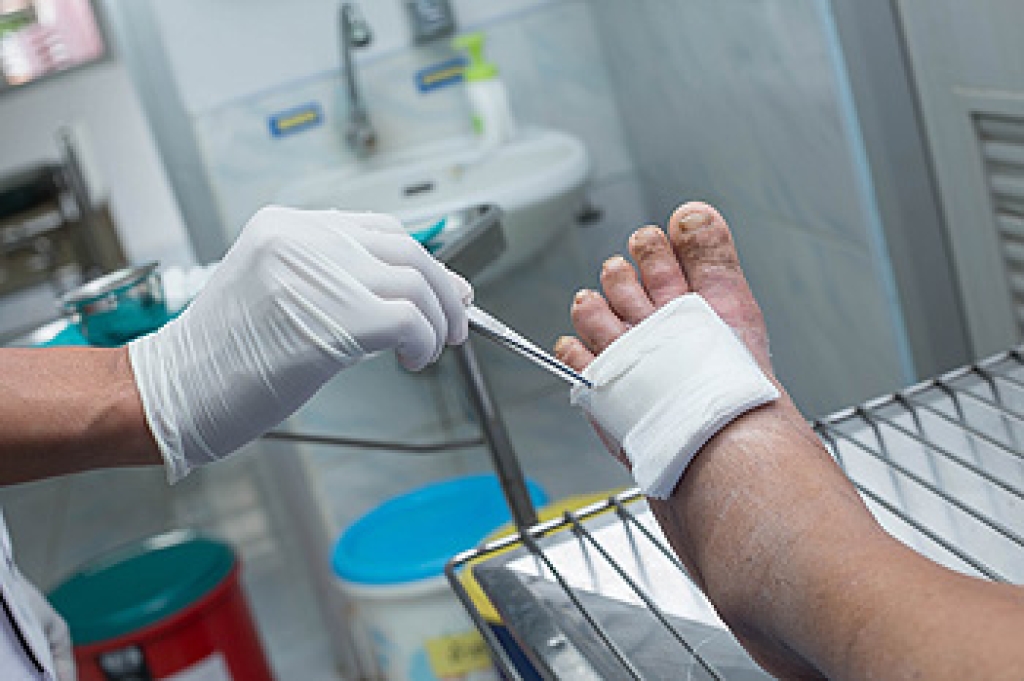

Read more about Causes, Symptoms, and Treatment for a Broken Foot

Effective Treatment for Diabetic Foot Wounds

Treating a diabetic foot wound requires careful medical attention to prevent complications and promote healing. A podiatrist starts by cleaning the wound gently with mild soap and water to remove any debris. An antibiotic ointment can then be applied to prevent infection and covered with a sterile bandage. It is important to regularly inspect the wound for signs of infection, such as increased redness or swelling. Managing blood sugar levels is essential, as high glucose can hinder the healing process. Additionally, protect the wound from pressure and friction by using appropriate footwear. Elevating the foot and keeping it dry can also aid in healing. If the wound shows signs of infection or does not improve, seek medical attention promptly from a podiatrist. If you have diabetes and have developed a foot wound, it is strongly suggested that you are under the care of this type of doctor who can treat the wound, and help you to manage this condition.

Wound care is an important part in dealing with diabetes. If you have diabetes and a foot wound or would like more information about wound care for diabetics, consult with Edward Orman, DPM from Honeygo Podiatry. Our doctor will assess your condition and provide you with quality foot and ankle treatment.

What Is Wound Care?

Wound care is the practice of taking proper care of a wound. This can range from the smallest to the largest of wounds. While everyone can benefit from proper wound care, it is much more important for diabetics. Diabetics often suffer from poor blood circulation which causes wounds to heal much slower than they would in a non-diabetic. 

What Is the Importance of Wound Care?

While it may not seem apparent with small ulcers on the foot, for diabetics, any size ulcer can become infected. Diabetics often also suffer from neuropathy, or nerve loss. This means they might not even feel when they have an ulcer on their foot. If the wound becomes severely infected, amputation may be necessary. Therefore, it is of the upmost importance to properly care for any and all foot wounds.

How to Care for Wounds

The best way to care for foot wounds is to prevent them. For diabetics, this means daily inspections of the feet for any signs of abnormalities or ulcers. It is also recommended to see a podiatrist several times a year for a foot inspection. If you do have an ulcer, run the wound under water to clear dirt from the wound; then apply antibiotic ointment to the wound and cover with a bandage. Bandages should be changed daily and keeping pressure off the wound is smart. It is advised to see a podiatrist, who can keep an eye on it.

If you have any questions please contact our offices located in Perry Hall, and Fallston, MD . We offer the newest diagnostic and treatment technologies for all your foot and ankle needs.

Read more about Wound Care

Ankle Pain While Walking

Ankle pain while walking can stem from various causes. Common culprits can include sprains, arthritis, tendonitis, and fractures, all of which can result in inflammation, swelling, and discomfort. Overuse, wearing improper footwear, and previous injuries can also contribute. Ankle pain impacts mobility and quality of life, making walking difficult. To avoid ankle pain, wear supportive shoes, maintain a healthy weight, and perform exercises to strengthen ankle muscles. Rest, compression, and elevation can help manage pain. However, if you have persistent or severe ankle pain, it is suggested that you schedule an appointment with a podiatrist who can provide a proper diagnosis and a treatment plan. Regular check-ups with a podiatrist ensure ongoing foot and ankle health, allowing walking to remain a simple and effective means of transportation without discomfort.

Ankle pain can have many different causes and the pain may potentially be serious. If you have ankle pain, consult with Edward Orman, DPM from Honeygo Podiatry. Our doctor will assess your condition and provide you with quality foot and ankle treatment.

Ankle pain is any condition that causes pain in the ankle. Due to the fact that the ankle consists of tendons, muscles, bones, and ligaments, ankle pain can come from a number of different conditions.

Causes

The most common causes of ankle pain include:

  • Types of arthritis (rheumatoid, osteoarthritis, and gout)
  • Ankle sprains
  • Broken ankles
  • Achilles tendinitis
  • Achilles tendon rupture
  • Stress fractures
  • Tarsal tunnel syndrome
  • Plantar fasciitis

Symptoms

Symptoms of ankle injury vary based upon the condition. Pain may include general pain and discomfort, swelling, aching, redness, bruising, burning or stabbing sensations, and/or loss of sensation.

Diagnosis

Due to the wide variety of potential causes of ankle pain, podiatrists will utilize a number of different methods to properly diagnose ankle pain. This can include asking for personal and family medical histories and of any recent injuries. Further diagnosis may include sensation tests, a physical examination, and potentially x-rays or other imaging tests.

Treatment

Just as the range of causes varies widely, so do treatments. Some more common treatments are rest, ice packs, keeping pressure off the foot, orthotics and braces, medication for inflammation and pain, and surgery.

If you have any questions please feel free to contact our offices located in Perry Hall, and Fallston, MD . We offer the newest diagnostic tools and technology to treat your foot and ankle needs.

Read more about Various Causes of Ankle Pain

Sesamoid Fracture Treatment

The sesamoids are two tiny, pea-shaped bones located just beneath the big toe. These free-standing bones allow the big toe to move normally. They also provide leverage when you push off the big toe while walking or running. The sesamoids can be fractured during physical activities like running, hiking, or playing sports. Broken sesamoid bones cause deep, aching, or sharp pain in the ball of the foot behind the big toe. The surrounding area may be red or swollen. Sesamoid fractures are generally diagnosed through X-rays. Treatment may include wearing flat, rigid shoes specially designed to hold bones in place while they heal. Wearing orthotics and certain medications can help to manage pain. If you are having pain in your foot, it is suggested you make an appointment with a podiatrist for care and treatment options.  

Sesamoiditis is an unpleasant foot condition characterized by pain in the balls of the feet. If you think you’re struggling with sesamoiditis, contact Edward Orman, DPM of Honeygo Podiatry. Our doctor will treat your condition thoroughly and effectively.

Sesamoiditis

Sesamoiditis is a condition of the foot that affects the ball of the foot. It is more common in younger people than it is in older people. It can also occur with people who have begun a new exercise program, since their bodies are adjusting to the new physical regimen. Pain may also be caused by the inflammation of tendons surrounding the bones. It is important to seek treatment in its early stages because if you ignore the pain, this condition can lead to more serious problems such as severe irritation and bone fractures.

Causes of Sesamoiditis

  • Sudden increase in activity
  • Increase in physically strenuous movement without a proper warm up or build up
  • Foot structure: those who have smaller, bonier feet or those with a high arch may be more susceptible

Treatment for sesamoiditis is non-invasive and simple. Doctors may recommend a strict rest period where the patient forgoes most physical activity. This will help give the patient time to heal their feet through limited activity. For serious cases, it is best to speak with your doctor to determine a treatment option that will help your specific needs.

If you have any questions, please feel free to contact our offices located in Perry Hall, and Fallston, MD . We offer the newest diagnostic and treatment technologies for all your foot care needs.
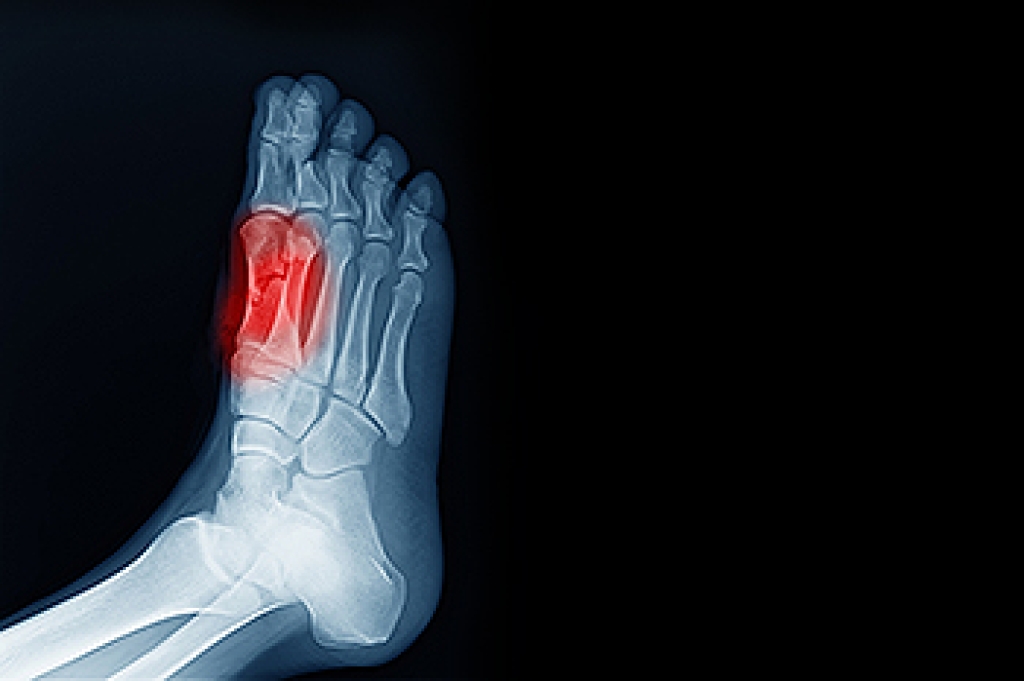
Read more about Sesamoiditis

It's Time for Beautiful Feet

You don't need an excuse to have beautiful nails. Step outside without worrying about the appearance of your feet.

Connect With Us

scroll to top