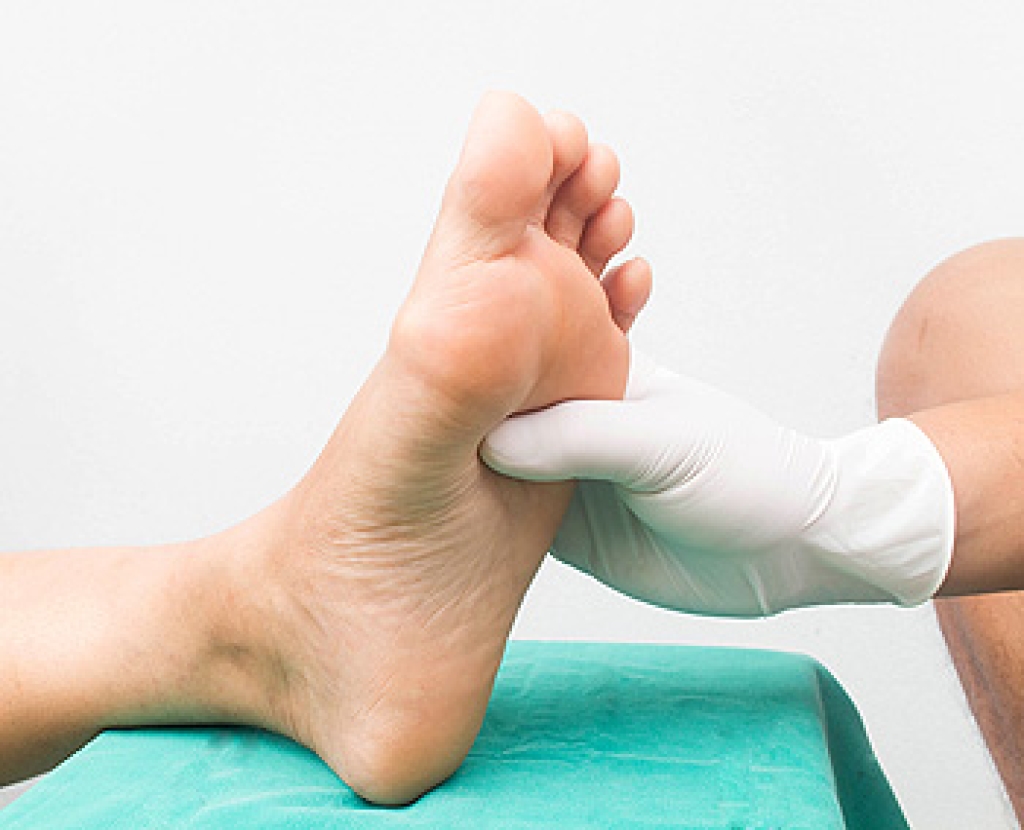
Causes of Peripheral Neuropathy

The body is full of nerves whose main job is to let us touch and feel, as well as to warn us of dangerous conditions. The peripheral nervous system contains nerves in the lower extremities. When these nerves become damaged, they are unable to signal the toes and feet when something goes wrong. This condition is known as peripheral neuropathy. Symptoms of peripheral neuropathy are numbness, pain, and weakness. Causes include excessive use of alcohol, certain types of medication, vitamin B12 deficiency, and heredity. Other causes are infections, such as shingles and Lyme disease, as well as tumors and diabetes. Many diabetics develop peripheral neuropathy, which leaves them unable to detect sores and cuts on the feet. If left unattended, a cut or sore may turn into a diabetic foot ulcer that can become gangrenous and endanger the limb itself. Such diabetic neuropathy is the result of maintaining high levels of blood sugar that damage the nerves serving the feet. If you are experiencing any level of neuropathy in the toes, feet, or ankles, it is suggested that you consult a podiatrist as soon as possible.

Neuropathy

Neuropathy can be a potentially serious condition, especially if it is left undiagnosed. If you have any concerns that you may be experiencing nerve loss in your feet, consult with Edward Orman, DPM from Honeygo Podiatry. Our doctor will assess your condition and provide you with quality foot and ankle treatment for neuropathy.

What Is Neuropathy?

Neuropathy is a condition that leads to damage to the nerves in the body. Peripheral neuropathy, or neuropathy that affects your peripheral nervous system, usually occurs in the feet. Neuropathy can be triggered by a number of different causes. Such causes include diabetes, infections, cancers, disorders, and toxic substances.

Symptoms of Neuropathy Include:

  • Numbness
  • Sensation loss
  • Prickling and tingling sensations
  • Throbbing, freezing, burning pains
  • Muscle weakness

Those with diabetes are at serious risk due to being unable to feel an ulcer on their feet. Diabetics usually also suffer from poor blood circulation. This can lead to the wound not healing, infections occurring, and the limb may have to be amputated.

Treatment

To treat neuropathy in the foot, podiatrists will first diagnose the cause of the neuropathy. Figuring out the underlying cause of the neuropathy will allow the podiatrist to prescribe the best treatment, whether it be caused by diabetes, toxic substance exposure, infection, etc. If the nerve has not died, then it’s possible that sensation may be able to return to the foot.

Pain medication may be issued for pain. Electrical nerve stimulation can be used to stimulate nerves. If the neuropathy is caused from pressure on the nerves, then surgery may be necessary.

If you have any questions, please feel free to contact our offices located in Perry Hall, and Fallston, MD . We offer the newest diagnostic and treatment technologies for all your foot care needs.

Read more about Neuropathy

What Can Cause Plantar Fasciitis?

The plantar fascia is found on the bottom of the foot. It is a long portion of tissue that connects the heel to the toes and can become quite painful if it becomes irritated. A heel injury or gradual wear and tear may lead to developing plantar fasciitis. This foot condition is defined as inflammation or tears that happen to the plantar fascia, which can occur from wearing shoes that do not have adequate cushioning in the heel area. It can also happen to people who stand on hard or uneven surfaces for most of the day, causing excess pressure on the heel and surrounding areas. Many people enjoy running and jogging, and it is helpful to be aware of how this can negatively impact the heels. Pregnant women may develop plantar fasciitis, as a result of the added weight the feet must endure. Temporary relief may be found when the affected foot is elevated, and walking is kept to a minimum. A podiatrist is a specialist that can effectively treat plantar fasciitis, and it is suggested that you contact this type of doctor who can offer you the treatment option that is best for you.

Plantar fasciitis can be very painful and inconvenient. If you are experiencing heel pain or symptoms of plantar fasciitis, contact Edward Orman, DPM  from Honeygo Podiatry. Our doctor can provide the care you need to keep you pain-free and on your feet.

What Is Plantar Fasciitis?

Plantar fasciitis is the inflammation of the thick band of tissue that runs along the bottom of your foot, known as the plantar fascia, and causes mild to severe heel pain.

What Causes Plantar Fasciitis?

  • Excessive running
  • Non-supportive shoes
  • Overpronation
  • Repeated stretching and tearing of the plantar fascia

How Can It Be Treated?

  • Conservative measures – anti-inflammatories, ice packs, stretching exercises, physical therapy, orthotic devices
  • Shockwave therapy – sound waves are sent to the affected area to facilitate healing and are usually used for chronic cases of plantar fasciitis
  • Surgery – usually only used as a last resort when all else fails. The plantar fascia can be surgically detached from the heel

While very treatable, plantar fasciitis is definitely not something that should be ignored. Especially in severe cases, speaking to your doctor right away is highly recommended to avoid complications and severe heel pain. Your podiatrist can work with you to provide the appropriate treatment options tailored to your condition.

If you have any questions, please feel free to contact our offices located in Perry Hall, and Fallston, MD . We offer the newest diagnostic and treatment technologies for all your foot care needs.

Read more about Plantar Fasciitis

Exercise Can Help to Prevent Falling

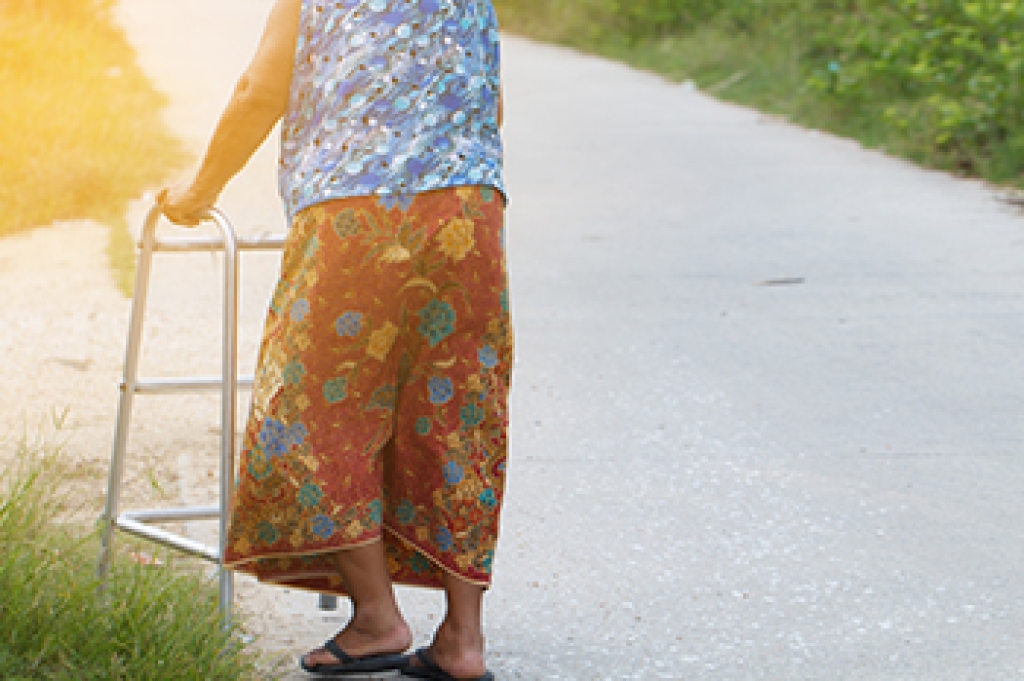
Falling can cause serious injuries. The feet are often affected, and this can compromise the ability to complete daily activities. Having the eyes checked regularly can help to update existing eyeglasses, in addition to having routine physical examinations for medication checks. The living environment can be made safer by implementing simple fall prevention techniques, such as improving lighting in the household and removing worn rugs. Some people find it beneficial to install grab bars in the shower and toilet area, in addition to using non-skid bath mats. It is wise to wear shoes that fit correctly, and keeping items in a lower cabinet may make them easier to reach. Engaging in a gentle exercise program can be helpful in keeping the body strong while improving balance. Tai Chi and yoga are good examples of this. If you would like more information about effective fall prevention methods, it is suggested that you contact a podiatrist who can provide you with the information you are seeking. 

Preventing falls among the elderly is very important. If you are older and have fallen or fear that you are prone to falling, consult with Edward Orman, DPM from Honeygo Podiatry. Our doctor will assess your condition and provide you with quality advice and care.

Every 11 seconds, an elderly American is being treated in an emergency room for a fall related injury. Falls are the leading cause of head and hip injuries for those 65 and older. Due to decreases in strength, balance, senses, and lack of awareness, elderly persons are very susceptible to falling. Thankfully, there are a number of things older persons can do to prevent falls.

How to Prevent Falls

Some effective methods that older persons can do to prevent falls include:

  • Enrolling in strength and balance exercise program to increase balance and strength
  • Periodically having your sight and hearing checked
  • Discuss any medications you have with a doctor to see if it increases the risk of falling
  • Clearing the house of falling hazards and installing devices like grab bars and railings
  • Utilizing a walker or cane
  • Wearing shoes that provide good support and cushioning
  • Talking to family members about falling and increasing awareness

Falling can be a traumatic and embarrassing experience for elderly persons; this can make them less willing to leave the house, and less willing to talk to someone about their fears of falling. Doing such things, however, will increase the likelihood of tripping or losing one’s balance. Knowing the causes of falling and how to prevent them is the best way to mitigate the risk of serious injury.  

If you have any questions, please feel free to contact our offices located in Perry Hall, and Fallston, MD . We offer the newest diagnostic and treatment technologies for all your foot care needs.

Read more about Falls Prevention

Well-Loved Baby Feet

Parents fall in love with every aspect of their newborn child, including their tiny, precious feet. They try hard to care for their babies in all ways and do what they can to ensure their child grows up healthfully. Paying attention to a baby’s feet is required as part of this care. Babies are born with the ability to walk, even if they usually cannot do so until about 15 months of age. They are usually born with flat feet, and when they first stand, their leg and foot muscles are not developed enough to support the arches. It takes approximately seven years for the arches to form. Baby’s feet need to be cared for to notice problems brewing and prepare them for walking. Good foot care for baby includes regularly examining their feet for abnormalities or developing problems. It is also recommended that parents keep their child’s feet clean, dry, and moisturized, cut their toenails straight across versus in a curved shape, and make sure their feet are not hampered from movement in their clothes or bed. Foot exercises will help to strengthen their feet. Babies should also wear socks rather than shoes before walking outdoors for strengthening purposes. To help you best care for your baby’s feet, it is suggested that you visit a podiatrist for more information on proper care.

Making sure that your children maintain good foot health is very important as they grow. If you have any questions, contact Edward Orman, DPM of Honeygo Podiatry. Our doctor can provide the care you need to keep you pain-free and on your feet.

Keeping Children's Feet Healthy

Having healthy feet during childhood can help prevent medical problems later in life, namely in the back and legs. As children grow, their feet require different types of care. Here are some things to consider...

Although babies do not walk yet, it is still very important to take care of their feet.

Avoid putting tight shoes or socks on his or her feet.

Allow the baby to stretch and kick his or her feet to feel comfortable.

As a toddler, kids are now on the move and begin to develop differently. At this age, toddlers are getting a feel for walking, so don’t be alarmed if your toddler is unsteady or ‘walks funny’. 

As your child gets older, it is important to teach them how to take care of their feet.

Show them proper hygiene to prevent infections such as fungus.

Be watchful for any pain or injury.

Have all injuries checked by a doctor as soon as possible.

Comfortable, protective shoes should always be worn, especially at play.

If you have any questions, please feel free to contact our offices located in Perry Hall, and Fallston, MD . We offer the newest diagnostic and treatment technologies for all your foot care needs.

Read more about What to Do to Keep Your Child’s Feet Healthy

Heel Pain in the Morning?

Heel pain can negatively affect your day-to-day life. Simple activities like walking can become incredibly uncomfortable or painful due to heel pain.

Don’t live with heel pain and get treated.

Connect With Us

scroll to top