Unraveling the Facts About Adult Flat Feet

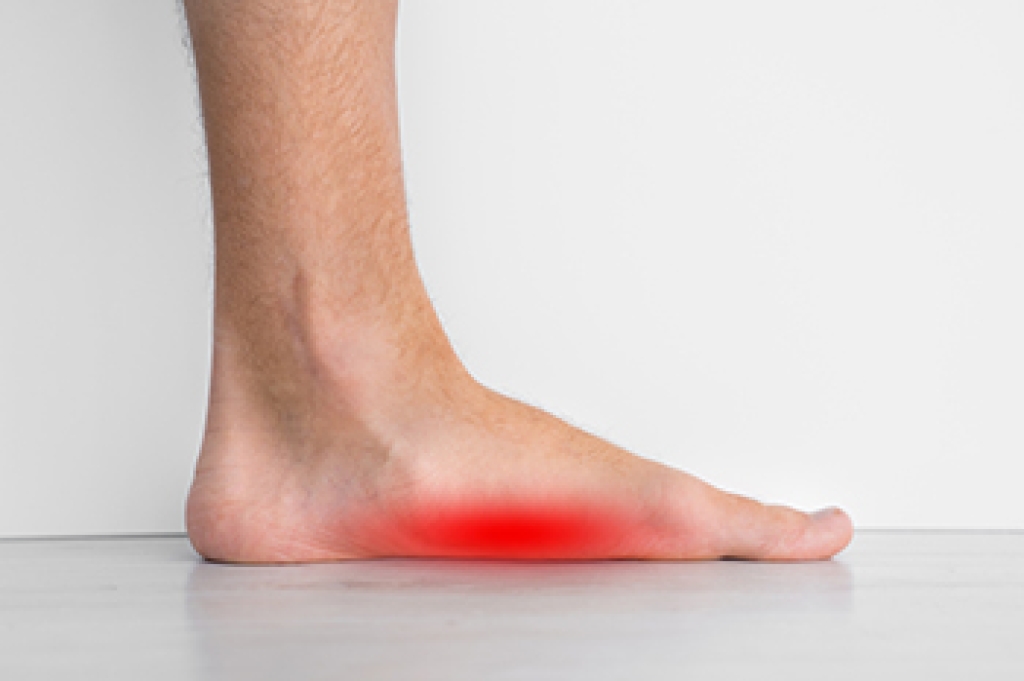
Flat feet, also known as fallen arches, are a prevalent condition that affects adults worldwide. Understanding the facts surrounding adult flat feet is crucial for proper management and maintaining foot health. Flat feet occur when the arches of the feet collapse, leading to the entire sole making contact with the ground. While some individuals are born with flat feet, others may develop the condition over time due to factors such as aging, injury, or excessive strain on the feet. Contrary to popular belief, flat feet are not always symptomatic. Many people with flat feet experience no discomfort or limitations in daily activities. However, some individuals may encounter pain, swelling, or a feeling of tiredness in the feet. Fortunately, conservative measures such as wearing supportive footwear, orthotic inserts, and performing foot strengthening exercises can alleviate symptoms and enhance foot function. In more severe cases, medical interventions may be necessary. By dispelling myths and knowing the facts, adults with flat feet can proactively care for their feet and maintain an active, pain-free lifestyle. If you have flat feet, it is suggested that you are under the care of a podiatrist who can help you to manage this condition.

Flatfoot is a condition many people suffer from. If you have flat feet, contact Edward Orman, DPM from Honeygo Podiatry. Our doctor will treat your foot and ankle needs.

What Are Flat Feet?

Flatfoot is a condition in which the arch of the foot is depressed and the sole of the foot is almost completely in contact with the ground. About 20-30% of the population generally has flat feet because their arches never formed during growth.

Conditions & Problems:

Having flat feet makes it difficult to run or walk because of the stress placed on the ankles.

Alignment – The general alignment of your legs can be disrupted, because the ankles move inward which can cause major discomfort.

Knees – If you have complications with your knees, flat feet can be a contributor to arthritis in that area.  

Symptoms

  • Pain around the heel or arch area
  • Trouble standing on the tip toe
  • Swelling around the inside of the ankle
  • Flat look to one or both feet
  • Having your shoes feel uneven when worn

Treatment

If you are experiencing pain and stress on the foot you may weaken the posterior tibial tendon, which runs around the inside of the ankle. 

If you have any questions, please feel free to contact our offices located in Perry Hall, and Fallston, MD . We offer the newest diagnostic and treatment technologies for all your foot care needs.

Read more about Flat Feet

How to Handle Hammertoe

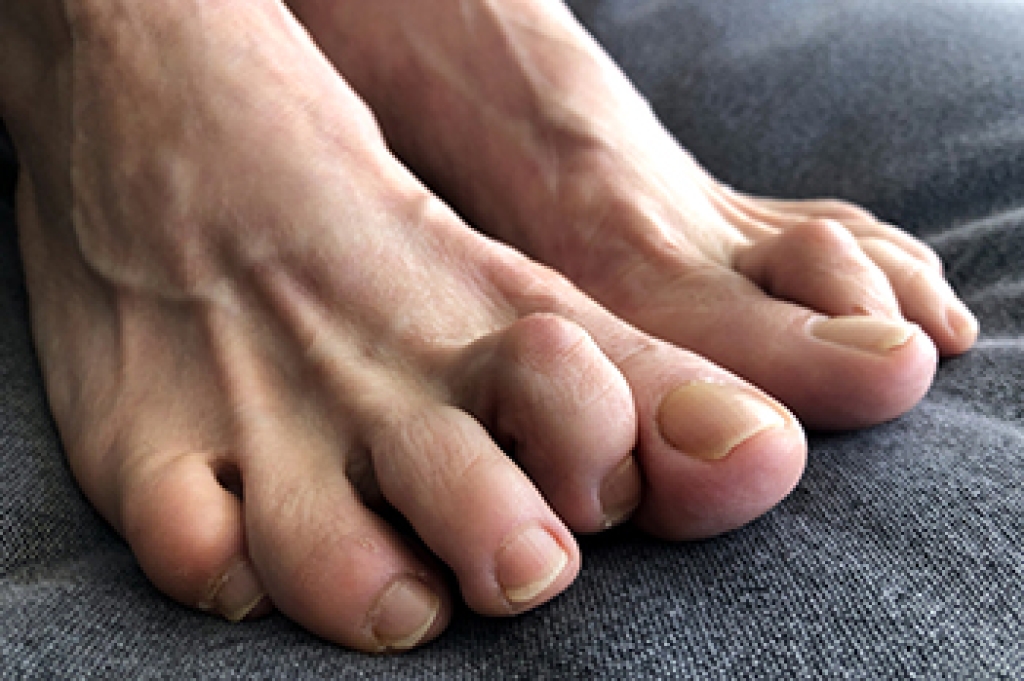
Hammertoe is a common foot condition where one or more toes become bent at the middle joint resembling a hammer. Although it can be uncomfortable and limit footwear choices, there are effective measures to be implemented that can help manage this condition. The first step is to wear shoes that have adequate room for the toes to move freely. It is helpful if the shoes can accommodate bent toes and high heels and pointy-toed shoes should be avoided. Many patients find it beneficial to perform toe exercises that help to improve flexibility and alleviate pain. Temporary relief may occur when orthotic inserts are worn or cushioned pads are placed over the affected toes. Early intervention and consistent foot care are essential for treating and managing hammertoe, improving mobility, and restoring foot comfort and confidence. If you are afflicted with hammertoe, it is suggested that you are under the care of a podiatrist who can help you effectively manage this condition.

Hammertoe

Hammertoes can be a painful condition to live with. For more information, contact Edward Orman, DPM from Honeygo Podiatry. Our doctor will answer any of your foot- and ankle-related questions.

Hammertoe is a foot deformity that affects the joints of the second, third, fourth, or fifth toes of your feet. It is a painful foot condition in which these toes curl and arch up, which can often lead to pain when wearing footwear.

Symptoms

  • Pain in the affected toes
  • Development of corns or calluses due to friction
  • Inflammation
  • Redness
  • Contracture of the toes

Causes

Genetics – People who are genetically predisposed to hammertoe are often more susceptible

Arthritis – Because arthritis affects the joints in your toes, further deformities stemming from arthritis can occur

Trauma – Direct trauma to the toes could potentially lead to hammertoe

Ill-fitting shoes – Undue pressure on the front of the toes from ill-fitting shoes can potentially lead to the development of hammertoe

Treatment

Orthotics – Custom made inserts can be used to help relieve pressure placed on the toes and therefore relieve some of the pain associated with it

Medications – Oral medications such as anti-inflammatories or NSAIDs could be used to treat the pain and inflammation hammertoes causes. Injections of corticosteroids are also sometimes used

Surgery – In more severe cases where the hammertoes have become more rigid, foot surgery is a potential option

If you have any questions, please feel free to contact our offices located in Perry Hall, and Fallston, MD . We offer the newest diagnostic and treatment technologies for all your foot care needs.
Read more about What Are Hammertoes?

Reasons for Existing Foot Pain

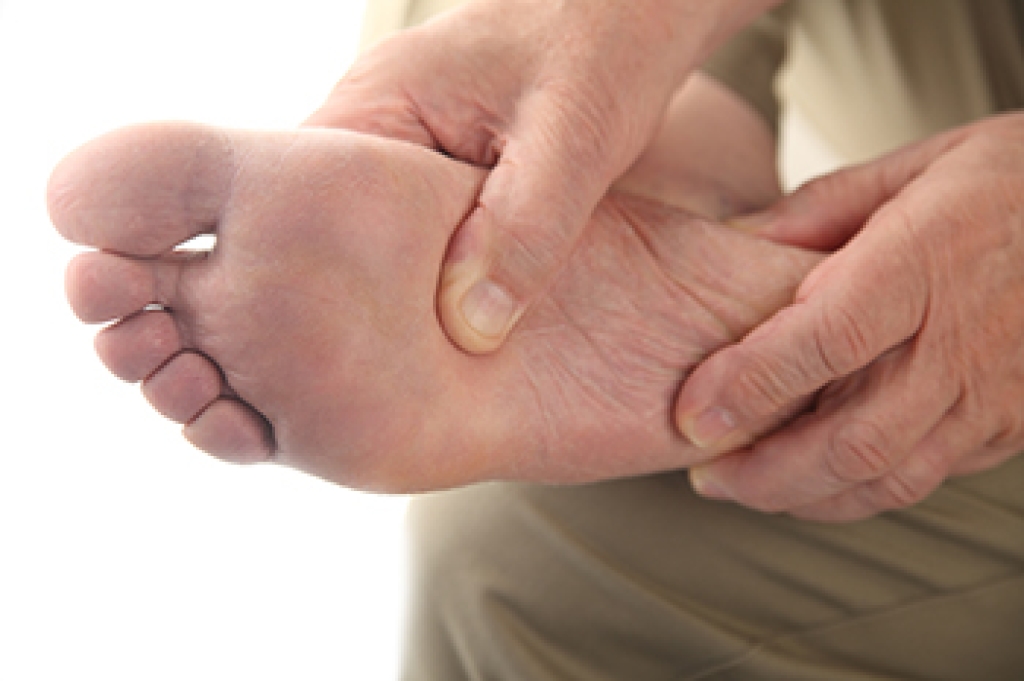
The feet are often taken for granted until foot pain develops. Foot pain can happen for several reasons which may cause difficulty in completing daily activities. Each foot has 26 bones and numerous joints, tendons, ligaments, and muscles. This complex system works together to provide stability and balance, and therefore it is helpful to maintain proper foot care. Wearing shoes that fit correctly may help to prevent a multitude of foot conditions, such as hammertoes, bunions, and ingrown toenails. Athlete’s foot and toenail fungus are common conditions that can cause discomfort. These can occur when frequenting places like public swimming pools, shower rooms, or similar areas. A small tear to the plantar fascia may cause debilitating pain, and arthritic conditions like gout can cause the joints in the big toe to become inflamed. For any type of foot pain, it is suggested that you consult a podiatrist for a proper diagnosis and an effective treatment plan.

Foot Pain

Foot pain can be extremely painful and debilitating. If you have a foot pain, consult with Edward Orman, DPM from Honeygo Podiatry. Our doctor will assess your condition and provide you with quality foot and ankle treatment.

Causes

Foot pain is a very broad condition that could be caused by one or more ailments. The most common include:

  • Bunions
  • Hammertoes
  • Plantar Fasciitis
  • Bone Spurs
  • Corns
  • Tarsal Tunnel Syndrome
  • Ingrown Toenails
  • Arthritis (such as Gout, Rheumatoid, and Osteoarthritis)
  • Flat Feet
  • Injury (from stress fractures, broken toe, foot, ankle, Achilles tendon ruptures, and sprains)
  • And more

Diagnosis

To figure out the cause of foot pain, podiatrists utilize several different methods. This can range from simple visual inspections and sensation tests to X-rays and MRI scans. Prior medical history, family medical history, and any recent physical traumatic events will all be taken into consideration for a proper diagnosis.

Treatment

Treatment depends upon the cause of the foot pain. Whether it is resting, staying off the foot, or having surgery; podiatrists have a number of treatment options available for foot pain.

If you have any questions, please feel free to contact our offices located in Perry Hall, and Fallston, MD . We offer the newest diagnostic and treatment technologies for all your foot care needs.

Read more about Foot Pain

A Good Diabetic Foot Care Routine Is Essential

Practicing foot care is crucial for diabetic patients. The feet can easily become infected in people who have diabetes, and a good diabetic foot care routine can begin with washing and drying the feet daily. This can be followed by examining the soles of the feet. Some patients find it helps to use a mirror to accomplish this, or a family member or caregiver can do this if available. It is important to trim the toenails properly approximately once per week, and this can be done by cutting them straight across. Dry skin on the feet can be avoided when a good moisturizer is applied, and refraining from using it between the toes. Many diabetic patients have poor circulation and neuropathy, which is nerve damage. This is caused by elevated blood sugar levels, and the feet may become numb or have tingling sensations. It is often difficult to feel cuts or sores that have developed, which can be seen when the feet are inspected daily. If you have diabetes, it is strongly suggested that you are under the care of a podiatrist who can help you to manage this serious condition. 

Diabetic foot care is important in preventing foot ailments such as ulcers. If you are suffering from diabetes or have any other concerns about your feet, contact Edward Orman, DPM from Honeygo Podiatry. Our doctor can provide the care you need to keep you pain-free and on your feet.

Diabetic Foot Care

Diabetes affects millions of people every year. The condition can damage blood vessels in many parts of the body, especially the feet. Because of this, taking care of your feet is essential if you have diabetes, and having a podiatrist help monitor your foot health is highly recommended.

The Importance of Caring for Your Feet

  • Routinely inspect your feet for bruises or sores.
  • Wear socks that fit your feet comfortably.
  • Wear comfortable shoes that provide adequate support.

Patients with diabetes should have their doctor monitor their blood levels, as blood sugar levels play such a huge role in diabetic care. Monitoring these levels on a regular basis is highly advised.

It is always best to inform your healthcare professional of any concerns you may have regarding your feet, especially for diabetic patients. Early treatment and routine foot examinations are keys to maintaining proper health, especially because severe complications can arise if proper treatment is not applied.

If you have any questions, please feel free to contact our offices located in Perry Hall, and Fallston, MD . We offer the newest diagnostic and treatment technologies for all your foot care needs.

Read more about Diabetic Foot Care

Connect With Us

scroll to top