
Heel pain can negatively affect your day-to-day life. Simple activities like walking can become incredibly uncomfortable or painful due to heel pain.
Don’t live with heel pain and get treated.
Heel pain can negatively affect your day-to-day life. Simple activities like walking can become incredibly uncomfortable or painful due to heel pain.
Don’t live with heel pain and get treated.

Burning sensations on the bottom of the feet can arise from several underlying medical issues, including nerve damage and circulatory problems. Conditions such as peripheral neuropathy, often caused by diabetes, alcoholism, or vitamin deficiencies, also can lead to nerve hypersensitivity. This may result in persistent burning, numbness, and weakness. Poor blood flow linked to peripheral artery disease may also produce burning pain, especially during physical activity. Foot-specific conditions, including Morton’s neuroma, metatarsalgia, and tarsal tunnel syndrome can affect the nerves and soft tissues, causing intense discomfort. Infections like athlete’s foot or injuries such as fractures may provoke acute burning sensations. To determine the cause of burning foot pain a podiatrist can perform a detailed exam and order nerve conduction studies, blood tests, or imaging tests. Based on the diagnosis, treatment may involve medication, custom orthotics, or, in more advanced cases, surgery to alleviate nerve compression or restore circulation. If you experience the sensation of burning feet, it is suggested that you schedule an appointment with a podiatrist for a diagnosis and appropriate treatment.
Foot Pain
Foot pain can be extremely painful and debilitating. If you have a foot pain, consult with Edward Orman, DPM from Honeygo Podiatry. Our doctor will assess your condition and provide you with quality foot and ankle treatment.
Causes
Foot pain is a very broad condition that could be caused by one or more ailments. The most common include:
Diagnosis
To figure out the cause of foot pain, podiatrists utilize several different methods. This can range from simple visual inspections and sensation tests to X-rays and MRI scans. Prior medical history, family medical history, and any recent physical traumatic events will all be taken into consideration for a proper diagnosis.
Treatment
Treatment depends upon the cause of the foot pain. Whether it is resting, staying off the foot, or having surgery; podiatrists have a number of treatment options available for foot pain.
If you have any questions, please feel free to contact our offices located in Perry Hall, and Fallston, MD . We offer the newest diagnostic and treatment technologies for all your foot care needs.

Diabetic foot blisters, or diabetic bullae, are a rare, but important concern for people with diabetes. These fluid-filled blisters usually appear on the feet and can form without injury, often overnight. Although typically painless, they can become large and increase the risk of serious infection if not properly cared for. The exact cause is still unknown, but high blood sugar levels and diabetic neuropathy are thought to contribute. Blisters may heal on their own in a few weeks, but self-treatment can lead to complications. Infection, skin breakdown, and poor healing are real risks for diabetic patients. A podiatrist plays a key role in managing diabetic foot blisters. They can clean and protect the affected area, monitor for signs of infection, and provide foot care to prevent recurrence. Early treatment is key to avoiding more serious issues. If you have diabetic foot blisters, it is suggested that you schedule an appointment with a podiatrist for appropriate treatment.
Blisters are prone to making everyday activities extremely uncomfortable. If your feet are hurting, contact Edward Orman, DPM of Honeygo Podiatry. Our doctor can provide the care you need to keep you pain-free and on your feet.
Foot Blisters
Foot blisters develop as a result of constantly wearing tight or ill-fitting footwear. This happens due to the constant rubbing from the shoe, which can often lead to pain.
What Are Foot Blisters?
A foot blister is a small fluid-filled pocket that forms on the upper-most layer of the skin. Blisters are filled with clear fluid and can lead to blood drainage or pus if the area becomes infected.
How Do Blisters Form?
Blisters on the feet are often the result of constant friction of skin and material, usually by shoe rubbing. Walking in sandals, boots, or shoes that don’t fit properly for long periods of time can result in a blister. Having consistent foot moisture and humidity can easily lead to blister formation.
Prevention & Treatment
It is important to properly care for the affected area in order to prevent infection and ease the pain. Do not lance the blister and use a Band-Aid to provide pain relief. Also, be sure to keep your feet dry and wear proper fitting shoes. If you see blood or pus in a blister, seek assistance from a podiatrist.
If you have any questions, please feel free to contact our offices located in Perry Hall, and Fallston, MD . We offer the newest diagnostic and treatment technologies for all your foot care needs.

Second toe pain can result from several underlying conditions that place stress on the front of the foot. One frequent cause is capsulitis, which is the inflammation of the ligament capsule at the base of the second toe. This condition often leads to pain, swelling, and a sensation of instability. Bunions, which form at the base of the big toe, can also contribute by shifting pressure toward the second toe, causing discomfort and alignment changes. Another potential cause is metatarsalgia, a condition marked by inflammation and pain in the ball of the foot due to increased pressure on the metatarsal bones. If you have second toe pain, it is suggested that you consult a podiatrist who can offer relief and management tips.
Toe pain can disrupt your daily activities. If you have any concerns, contact Edward Orman, DPM of Honeygo Podiatry. Our doctor can provide the care you need to keep you pain-free and on your feet.
What Causes Toe Pain?
Most severe toe pain is caused due to a sports injury, trauma from dropping something heavy on the toe, or bumping into something rigid. Other problems can develop over time for various reasons.
Toe pain can be caused by one or more ailments. The most common include:
When to See a Podiatrist
Diagnosis
In many cases the cause of toe pain is obvious, but in others, a podiatrist may want to use more advanced methods to determine the problem. These can range from simple visual inspections and sensation tests to X-rays and MRI scans. Prior medical history, family medical history, and any recent physical traumatic events will all be taken into consideration for a proper diagnosis.
Treatment
Treatments for toe pain and injuries vary and may include shoe inserts, padding, taping, medicines, injections, and in some cases, surgery. If you believe that you have broken a toe, please see a podiatrist as soon as possible.
If you have any questions please contact our offices located in Perry Hall, and Fallston, MD . We offer the newest diagnostic and treatment technologies for all your foot and ankle needs.
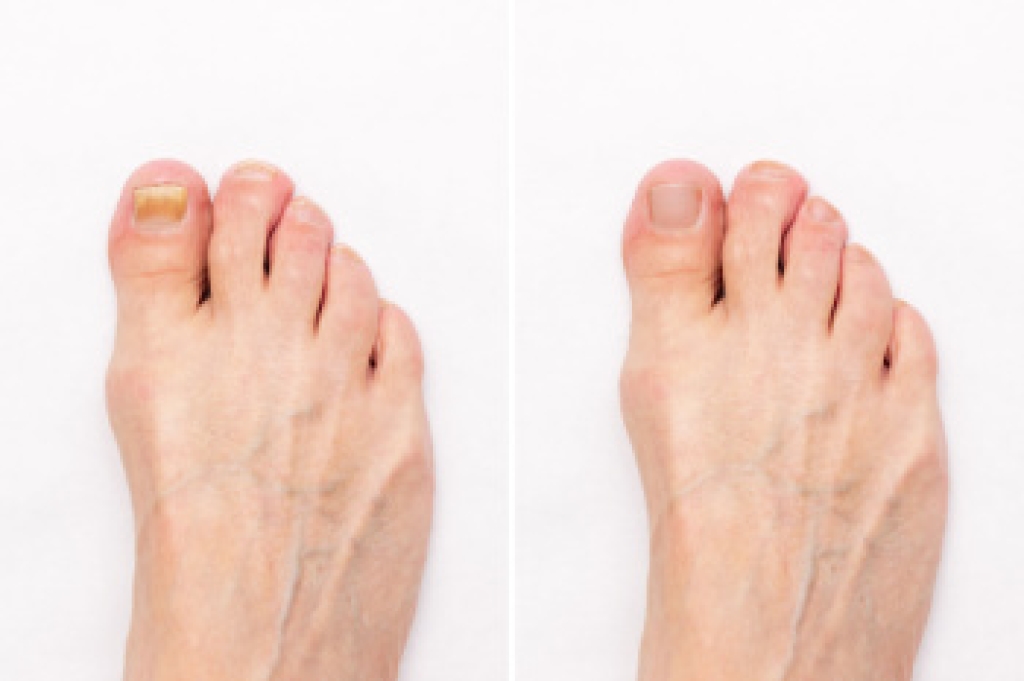
Toenail fungus is an infection that affects the toenail and the skin underneath it. It often causes the nail to become thick, yellow, and brittle, or to lift away from the nail bed. Fungal toenails are more common in older adults, especially those with diabetes, poor circulation, or a weakened immune system. Fungus grows well in warm, damp places like sweaty shoes. For that reason, people who wear tight or closed shoes for long hours or use shared shower areas may be more likely to be exposed. The infection usually starts slowly and can become worse over time if not treated. Because toenails grow slowly and have less blood flow than other parts of the body, treating a fungal nail infection can take several months. A podiatrist may prescribe oral medication to fight the infection from the inside, or use topical treatments for mild cases. In more serious situations, surgery to remove the damaged nail might be recommended. If you have been infected with a toenail fungus, it is suggested that you make an appointment with a podiatrist for treatment.
If left untreated, toenail fungus may spread to other toenails, skin, or even fingernails. If you suspect you have toenail fungus it is important to seek treatment right away. For more information about treatment, contact Edward Orman, DPM of Honeygo Podiatry. Our doctor can provide the care you need to keep you pain-free and on your feet.
Symptoms
Treatment
If self-care strategies and over-the-counter medications does not help your fungus, your podiatrist may give you a prescription drug instead. Even if you find relief from your toenail fungus symptoms, you may experience a repeat infection in the future.
Prevention
In order to prevent getting toenail fungus in the future, you should always make sure to wash your feet with soap and water. After washing, it is important to dry your feet thoroughly especially in between the toes. When trimming your toenails, be sure to trim straight across instead of in a rounded shape. It is crucial not to cover up discolored nails with nail polish because that will prevent your nail from being able to “breathe”.
In some cases, surgical procedure may be needed to remove the toenail fungus. Consult with your podiatrist about the best treatment options for your case of toenail fungus.
If you have any questions please contact our offices located in Perry Hall, and Fallston, MD . We offer the newest diagnostic and treatment technologies for all your foot and ankle needs.
Connect With Us
