Broken Foot Symptoms

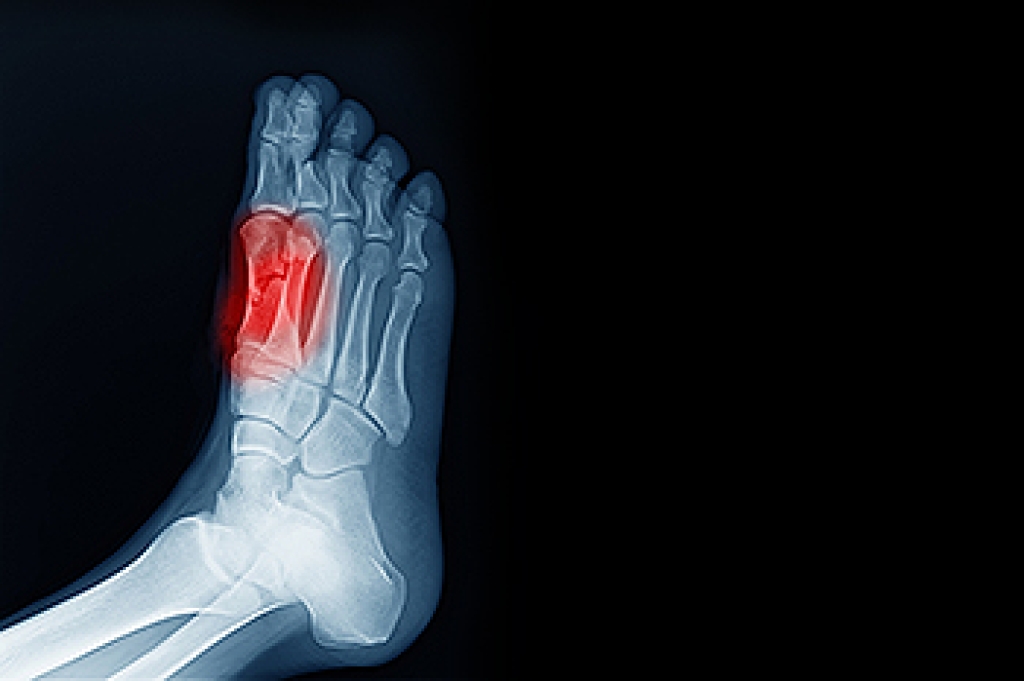
A broken foot, or foot fracture, occurs when one or more bones in the foot crack or break, often due to trauma such as a fall, sports injury, or accident. In addition to severe pain, symptoms of a broken foot typically include significant swelling and bruising around the injured area. You may have difficulty bearing weight on the foot and notice an abnormal shape or deformity. Tenderness in the affected area is common, and there may be a limited range of motion in the foot or toes. Numbness or tingling sensations can also occur, which may indicate nerve involvement. Difficulty walking or bearing weight on the foot, even when attempting to limp, is another sign. If you experience these symptoms, seeking medical evaluation is key to assessing the extent of the injury and determining appropriate care. If you suspect you have a broken foot or need guidance on treatment and rehabilitation, it’s suggested that you make an appointment with a podiatrist for specialized care to ensure the best possible outcome for your injury.

A broken foot requires immediate medical attention and treatment. If you need your feet checked, contact Edward Orman, DPM from Honeygo Podiatry. Our doctor can provide the care you need to keep you pain-free and on your feet.

Broken Foot Causes, Symptoms, and Treatment

A broken foot is caused by one of the bones in the foot typically breaking when bended, crushed, or stretched beyond its natural capabilities. Usually the location of the fracture indicates how the break occurred, whether it was through an object, fall, or any other type of injury. 

Common Symptoms of Broken Feet:

  • Bruising
  • Pain
  • Redness
  • Swelling
  • Blue in color
  • Numbness
  • Cold
  • Misshapen
  • Cuts
  • Deformities

Those that suspect they have a broken foot shoot seek urgent medical attention where a medical professional could diagnose the severity.

Treatment for broken bones varies depending on the cause, severity and location. Some will require the use of splints, casts or crutches while others could even involve surgery to repair the broken bones. Personal care includes the use of ice and keeping the foot stabilized and elevated.

If you have any questions, please feel free to contact our offices located in Perry Hall, and Fallston, MD . We offer the newest diagnostic and treatment technologies for all your foot care needs.

Read more about Causes, Symptoms, and Treatment for a Broken Foot

Effective Treatment for Diabetic Foot Wounds

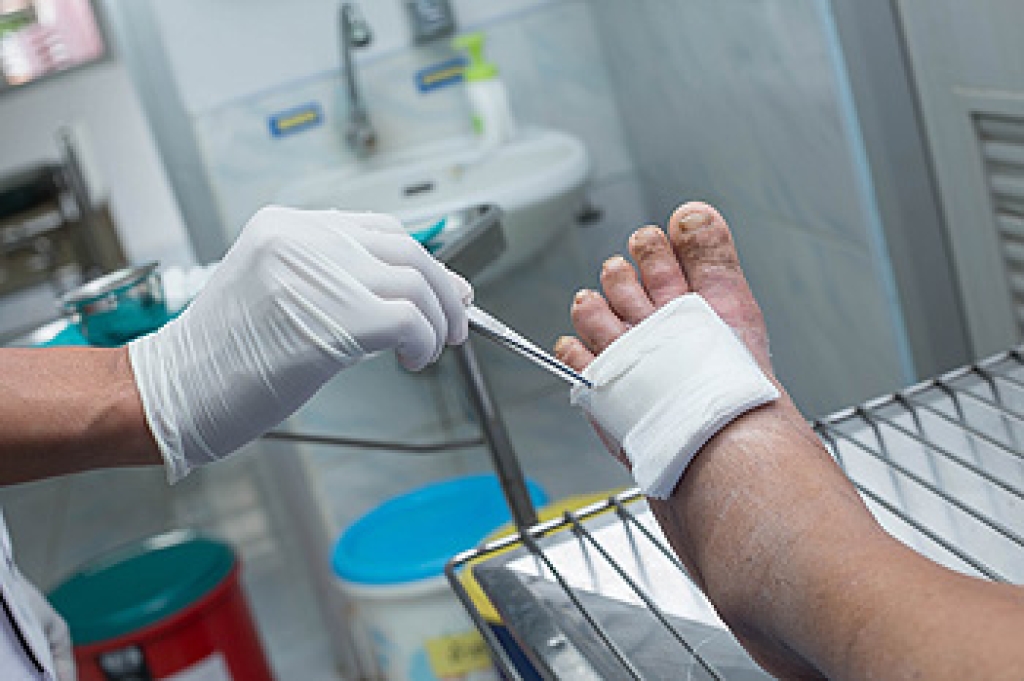
Treating a diabetic foot wound requires careful medical attention to prevent complications and promote healing. A podiatrist starts by cleaning the wound gently with mild soap and water to remove any debris. An antibiotic ointment can then be applied to prevent infection and covered with a sterile bandage. It is important to regularly inspect the wound for signs of infection, such as increased redness or swelling. Managing blood sugar levels is essential, as high glucose can hinder the healing process. Additionally, protect the wound from pressure and friction by using appropriate footwear. Elevating the foot and keeping it dry can also aid in healing. If the wound shows signs of infection or does not improve, seek medical attention promptly from a podiatrist. If you have diabetes and have developed a foot wound, it is strongly suggested that you are under the care of this type of doctor who can treat the wound, and help you to manage this condition.

Wound care is an important part in dealing with diabetes. If you have diabetes and a foot wound or would like more information about wound care for diabetics, consult with Edward Orman, DPM from Honeygo Podiatry. Our doctor will assess your condition and provide you with quality foot and ankle treatment.

What Is Wound Care?

Wound care is the practice of taking proper care of a wound. This can range from the smallest to the largest of wounds. While everyone can benefit from proper wound care, it is much more important for diabetics. Diabetics often suffer from poor blood circulation which causes wounds to heal much slower than they would in a non-diabetic. 

What Is the Importance of Wound Care?

While it may not seem apparent with small ulcers on the foot, for diabetics, any size ulcer can become infected. Diabetics often also suffer from neuropathy, or nerve loss. This means they might not even feel when they have an ulcer on their foot. If the wound becomes severely infected, amputation may be necessary. Therefore, it is of the upmost importance to properly care for any and all foot wounds.

How to Care for Wounds

The best way to care for foot wounds is to prevent them. For diabetics, this means daily inspections of the feet for any signs of abnormalities or ulcers. It is also recommended to see a podiatrist several times a year for a foot inspection. If you do have an ulcer, run the wound under water to clear dirt from the wound; then apply antibiotic ointment to the wound and cover with a bandage. Bandages should be changed daily and keeping pressure off the wound is smart. It is advised to see a podiatrist, who can keep an eye on it.

If you have any questions please contact our offices located in Perry Hall, and Fallston, MD . We offer the newest diagnostic and treatment technologies for all your foot and ankle needs.

Read more about Wound Care

Ankle Pain While Walking

Ankle pain while walking can stem from various causes. Common culprits can include sprains, arthritis, tendonitis, and fractures, all of which can result in inflammation, swelling, and discomfort. Overuse, wearing improper footwear, and previous injuries can also contribute. Ankle pain impacts mobility and quality of life, making walking difficult. To avoid ankle pain, wear supportive shoes, maintain a healthy weight, and perform exercises to strengthen ankle muscles. Rest, compression, and elevation can help manage pain. However, if you have persistent or severe ankle pain, it is suggested that you schedule an appointment with a podiatrist who can provide a proper diagnosis and a treatment plan. Regular check-ups with a podiatrist ensure ongoing foot and ankle health, allowing walking to remain a simple and effective means of transportation without discomfort.

Ankle pain can have many different causes and the pain may potentially be serious. If you have ankle pain, consult with Edward Orman, DPM from Honeygo Podiatry. Our doctor will assess your condition and provide you with quality foot and ankle treatment.

Ankle pain is any condition that causes pain in the ankle. Due to the fact that the ankle consists of tendons, muscles, bones, and ligaments, ankle pain can come from a number of different conditions.

Causes

The most common causes of ankle pain include:

  • Types of arthritis (rheumatoid, osteoarthritis, and gout)
  • Ankle sprains
  • Broken ankles
  • Achilles tendinitis
  • Achilles tendon rupture
  • Stress fractures
  • Tarsal tunnel syndrome
  • Plantar fasciitis

Symptoms

Symptoms of ankle injury vary based upon the condition. Pain may include general pain and discomfort, swelling, aching, redness, bruising, burning or stabbing sensations, and/or loss of sensation.

Diagnosis

Due to the wide variety of potential causes of ankle pain, podiatrists will utilize a number of different methods to properly diagnose ankle pain. This can include asking for personal and family medical histories and of any recent injuries. Further diagnosis may include sensation tests, a physical examination, and potentially x-rays or other imaging tests.

Treatment

Just as the range of causes varies widely, so do treatments. Some more common treatments are rest, ice packs, keeping pressure off the foot, orthotics and braces, medication for inflammation and pain, and surgery.

If you have any questions please feel free to contact our offices located in Perry Hall, and Fallston, MD . We offer the newest diagnostic tools and technology to treat your foot and ankle needs.

Read more about Various Causes of Ankle Pain

Sesamoid Fracture Treatment

The sesamoids are two tiny, pea-shaped bones located just beneath the big toe. These free-standing bones allow the big toe to move normally. They also provide leverage when you push off the big toe while walking or running. The sesamoids can be fractured during physical activities like running, hiking, or playing sports. Broken sesamoid bones cause deep, aching, or sharp pain in the ball of the foot behind the big toe. The surrounding area may be red or swollen. Sesamoid fractures are generally diagnosed through X-rays. Treatment may include wearing flat, rigid shoes specially designed to hold bones in place while they heal. Wearing orthotics and certain medications can help to manage pain. If you are having pain in your foot, it is suggested you make an appointment with a podiatrist for care and treatment options.  

Sesamoiditis is an unpleasant foot condition characterized by pain in the balls of the feet. If you think you’re struggling with sesamoiditis, contact Edward Orman, DPM of Honeygo Podiatry. Our doctor will treat your condition thoroughly and effectively.

Sesamoiditis

Sesamoiditis is a condition of the foot that affects the ball of the foot. It is more common in younger people than it is in older people. It can also occur with people who have begun a new exercise program, since their bodies are adjusting to the new physical regimen. Pain may also be caused by the inflammation of tendons surrounding the bones. It is important to seek treatment in its early stages because if you ignore the pain, this condition can lead to more serious problems such as severe irritation and bone fractures.

Causes of Sesamoiditis

  • Sudden increase in activity
  • Increase in physically strenuous movement without a proper warm up or build up
  • Foot structure: those who have smaller, bonier feet or those with a high arch may be more susceptible

Treatment for sesamoiditis is non-invasive and simple. Doctors may recommend a strict rest period where the patient forgoes most physical activity. This will help give the patient time to heal their feet through limited activity. For serious cases, it is best to speak with your doctor to determine a treatment option that will help your specific needs.

If you have any questions, please feel free to contact our offices located in Perry Hall, and Fallston, MD . We offer the newest diagnostic and treatment technologies for all your foot care needs.
Read more about Sesamoiditis

It's Time for Beautiful Feet

You don't need an excuse to have beautiful nails. Step outside without worrying about the appearance of your feet.

Causes of Pain in Different Parts of the Foot

Pain in various parts of the foot can stem from diverse factors. Heel pain, often attributed to plantar fasciitis, results from inflammation of the thick band of tissue connecting the heel to the toes. Arch pain may indicate issues like flat feet or overpronation, where the arch collapses excessively during walking or running. Pain in the ball of the foot could be due to conditions such as metatarsalgia, a result of excessive pressure on the ball of the foot. Additionally, toe pain may result from conditions like bunions, hammertoes, or ingrown toenails. Ankle pain can be caused by sprains, fractures, or Achilles tendon injuries. Contributing factors include overuse, improper footwear, structural abnormalities, and injuries. A diagnosis by a podiatrist is essential for determining the underlying cause of foot pain. If you have pain in your feet, it is strongly urged that you consult this type of doctor who can accurately diagnose and treat foot pain.

Foot Pain

Foot pain can be extremely painful and debilitating. If you have a foot pain, consult with Edward Orman, DPM from Honeygo Podiatry. Our doctor will assess your condition and provide you with quality foot and ankle treatment.

Causes

Foot pain is a very broad condition that could be caused by one or more ailments. The most common include:

  • Bunions
  • Hammertoes
  • Plantar Fasciitis
  • Bone Spurs
  • Corns
  • Tarsal Tunnel Syndrome
  • Ingrown Toenails
  • Arthritis (such as Gout, Rheumatoid, and Osteoarthritis)
  • Flat Feet
  • Injury (from stress fractures, broken toe, foot, ankle, Achilles tendon ruptures, and sprains)
  • And more

Diagnosis

To figure out the cause of foot pain, podiatrists utilize several different methods. This can range from simple visual inspections and sensation tests to X-rays and MRI scans. Prior medical history, family medical history, and any recent physical traumatic events will all be taken into consideration for a proper diagnosis.

Treatment

Treatment depends upon the cause of the foot pain. Whether it is resting, staying off the foot, or having surgery; podiatrists have a number of treatment options available for foot pain.

If you have any questions, please feel free to contact our offices located in Perry Hall, and Fallston, MD . We offer the newest diagnostic and treatment technologies for all your foot care needs.

Read more about Foot Pain

Recognizing Serious Foot Problems Related to Diabetes

Foot problems related to diabetes can escalate quickly if not promptly addressed. Signs of serious issues include persistent numbness or tingling in the feet that could indicate nerve damage, known as neuropathy. Skin changes such as dryness, cracking, or peeling, particularly when accompanied by slow-healing sores or wounds, are concerning, as diabetes impairs circulation and wound healing. Swelling or redness surrounding a foot ulcer may indicate infection, a serious complication requiring immediate medical attention. Changes in foot shape, such as hammertoes or bunions, can also occur due to nerve damage and altered mechanics. Any sudden change in foot temperature or color warrants evaluation, as these can signal compromised blood flow. Regular foot exams by a podiatrist and diligent foot care routines are vital for managing diabetes and preventing serious foot complications. If you have foot problems related to diabetes, it is strongly suggested that you are under the care of this a podiatrist who can help you to manage this condition.

Diabetic foot care is important in preventing foot ailments such as ulcers. If you are suffering from diabetes or have any other concerns about your feet, contact Edward Orman, DPM from Honeygo Podiatry. Our doctor can provide the care you need to keep you pain-free and on your feet.

Diabetic Foot Care

Diabetes affects millions of people every year. The condition can damage blood vessels in many parts of the body, especially the feet. Because of this, taking care of your feet is essential if you have diabetes, and having a podiatrist help monitor your foot health is highly recommended.

The Importance of Caring for Your Feet

  • Routinely inspect your feet for bruises or sores.
  • Wear socks that fit your feet comfortably.
  • Wear comfortable shoes that provide adequate support.

Patients with diabetes should have their doctor monitor their blood levels, as blood sugar levels play such a huge role in diabetic care. Monitoring these levels on a regular basis is highly advised.

It is always best to inform your healthcare professional of any concerns you may have regarding your feet, especially for diabetic patients. Early treatment and routine foot examinations are keys to maintaining proper health, especially because severe complications can arise if proper treatment is not applied.

If you have any questions, please feel free to contact our offices located in Perry Hall, and Fallston, MD . We offer the newest diagnostic and treatment technologies for all your foot care needs.

Read more about Diabetic Foot Care

Footwear and Its Impact on Gout Patients

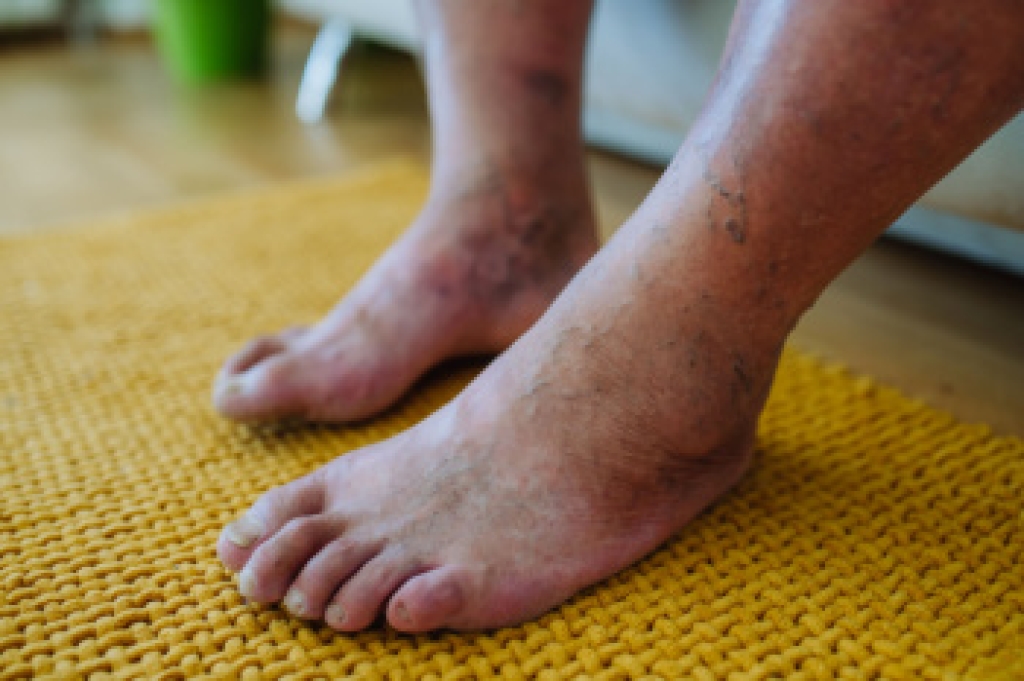
Gout, an inflammatory arthritic condition caused by the crystallization of uric acid in joints, often results in severe pain and swelling in the big toe. Recent research underscores the significant impact that footwear choices can have on individuals suffering from gout. Findings show that wearing improper footwear, such as sandals, flip-flops, and slippers, can lead to heightened foot pain, impairment, and disability. Notably, poor shoes often lacked proper cushioning, support, and stability, contributing to increased discomfort and functional impairment. In addition, shoes that were 12 months or older and showed excessive wear patterns are factors. For that reason, it is essential for gout sufferers to carefully choose footwear that offers ample cushioning, proper support, and stability to alleviate foot pain and improve function. A podiatrist can diagnose gout, prescribe medication, and offer advice on selecting the right shoes to manage gout symptoms. If you are suffering from the flare-ups of gout, it is suggested that you schedule an appointment with a podiatrist for an exam, diagnosis, and treatment options.


Gout is a painful condition that can be treated. If you are seeking treatment, contact Edward Orman, DPM from Honeygo Podiatry. Our doctor will treat your foot and ankle needs.

What Is Gout?

Gout is a form of arthritis that is characterized by sudden, severe attacks of pain, redness, and tenderness in the joints. The condition usually affects the joint at the base of the big toe. A gout attack can occur at any random time, such as the middle of the night while you are asleep.

Symptoms

  • Intense Joint Pain - Usually around the large joint of your big toe, and it most severe within the first four to twelve hours
  • Lingering Discomfort - Joint discomfort may last from a few days to a few weeks
  • Inflammation and Redness -Affected joints may become swollen, tender, warm and red
  • Limited Range of Motion - May experience a decrease in joint mobility

Risk Factors

  • Genetics - If family members have gout, you’re more likely to have it
  • Medications - Diuretic medications can raise uric acid levels
  • Gender/Age - Gout is more common in men until the age of 60. It is believed that estrogen protects women until that point
  • Diet - Eating red meat and shellfish increases your risk
  • Alcohol - Having more than two alcoholic drinks per day increases your risk
  • Obesity - Obese people are at a higher risk for gout

Prior to visiting your podiatrist to receive treatment for gout, there are a few things you should do beforehand. If you have gout you should write down your symptoms--including when they started and how often you experience them, important medical information you may have, and any questions you may have. Writing down these three things will help your podiatrist in assessing your specific situation so that he or she may provide the best route of treatment for you.

If you have any questions, please feel free to contact our offices located in Perry Hall, and Fallston, MD . We offer the newest diagnostic and treatment technologies for all your foot care needs.
Read more about Gout

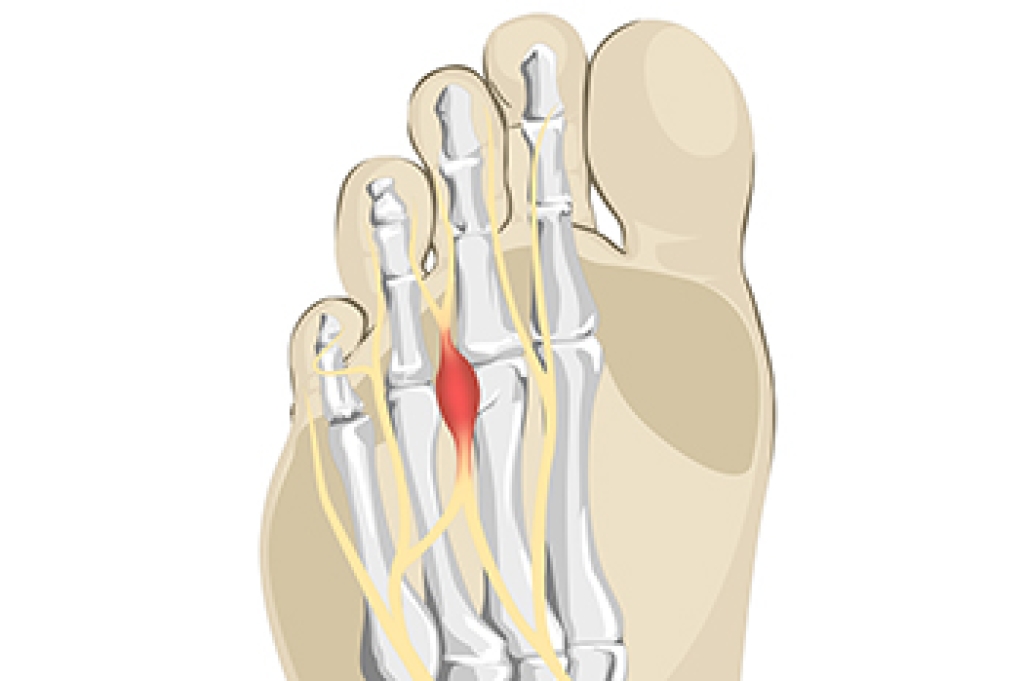
Definition and Symptoms of Morton’s Neuroma

Morton's neuroma is a painful condition affecting the ball of the foot, commonly between the third and fourth toes. It occurs when the tissue surrounding one of the nerves leading to the toes thickens, causing sharp, burning pain in the ball of the foot. Symptoms often include a sensation of standing on a pebble, tingling, or numbness in the toes. The pain may worsen with activities like walking or wearing tight shoes. Patients often describe a feeling of something being caught in the shoe or a persistent discomfort in the forefoot. Identifying and addressing these symptoms early can help manage the condition and prevent further complications. If you are experiencing any of the above sensations, it is suggested that you confer with a podiatrist who can diagnose and treat Morton’s neuroma.

Morton’s neuroma is a very uncomfortable condition to live with. If you think you have Morton’s neuroma, contact Edward Orman, DPM of Honeygo Podiatry. Our doctor will attend to all of your foot care needs and answer any of your related questions.  

Morton’s Neuroma

Morton's neuroma is a painful foot condition that commonly affects the areas between the second and third or third and fourth toe, although other areas of the foot are also susceptible. Morton’s neuroma is caused by an inflamed nerve in the foot that is being squeezed and aggravated by surrounding bones.

What Increases the Chances of Having Morton’s Neuroma?

  • Ill-fitting high heels or shoes that add pressure to the toe or foot
  • Jogging, running or any sport that involves constant impact to the foot
  • Flat feet, bunions, and any other foot deformities

Morton’s neuroma is a very treatable condition. Orthotics and shoe inserts can often be used to alleviate the pain on the forefront of the feet. In more severe cases, corticosteroids can also be prescribed. In order to figure out the best treatment for your neuroma, it’s recommended to seek the care of a podiatrist who can diagnose your condition and provide different treatment options.

If you have any questions, please feel free to contact our offices located in Perry Hall, and Fallston, MD . We offer the newest diagnostic and treatment technologies for all your foot care needs.

Read more about Morton's Neuroma

Types and Symptoms of Congenital Foot Deformities

Congenital foot deformities are structural abnormalities present at birth that affect the shape and function of an infant's feet. Metatarsus adductus is characterized by the inward curvature of the front half of the foot, resulting in a C shape and often causing difficulty in fitting shoes. Clubfoot involves a twisted position where the foot points downward and inward, leading to difficulties in walking if untreated. Calcaneovalgus deformity presents as an upward and outward bending of the foot, which can cause a flatfoot appearance and limited mobility. Additionally, congenital vertical talus, a more severe condition, results in a rigid rocker-bottom foot, where the sole faces outward and the arch is absent. Symptoms of these deformities include abnormal foot positioning, restricted movement, and, as the child grows, potential pain and walking difficulties. If your child has a congenital foot condition, it is suggested that you include a podiatrist on your healthcare team to help manage the specific ailment.

Some foot conditions may require additional professional care. If you have any concerns, contact Edward Orman, DPM of Honeygo Podiatry. Our doctor can provide the care you need to keep you pain-free and on your feet.

Rare Foot Conditions

The majority of foot conditions are common and can be treated by a podiatrist.  Standard diagnostic procedures are generally used to identify specific conditions and treatment can be rendered. A podiatrist also treats rare foot conditions which can be difficult to diagnose and may need extra attention and care. 

There are many rare foot conditions that can affect children. Some of these can include:

  • Freiberg’s disease
  • Kohler’s disease
  • Maffucci syndrome

Freiberg’s disease - This can be seen as a deterioration and flattening of a metatarsal bone that exists in the ball of the foot. It typically affects pre-teen and teenage girls, but can affect anyone at any age. Symptoms that can accompany this can be swelling, stiffness, and the patient may limp. 

Kohler’s disease - This often targets the bone in the arch of the foot and affects younger boys. It can lead to an interruption of the blood supply which ultimately can lead to bone deterioration. The patient may limp or experience tenderness, swelling, and redness.

Maffucci syndrome - This affects the long bones in a child’s foot leading to the development of abnormal bone lesions. They are benign growths and typically develop in early childhood and the bones may be susceptible to breaking. 

A podiatrist can properly diagnose and treat all types of rare foot conditions. If your child is affected by any of these symptoms or conditions, please don’t hesitate to call our office so the correct treatment method can begin.

If you have any questions, please feel free to contact our offices located in Perry Hall, and Fallston, MD . We offer the newest diagnostic and treatment technologies for all your foot care needs.

Read more about Rare Foot Conditions

Connect With Us

scroll to top