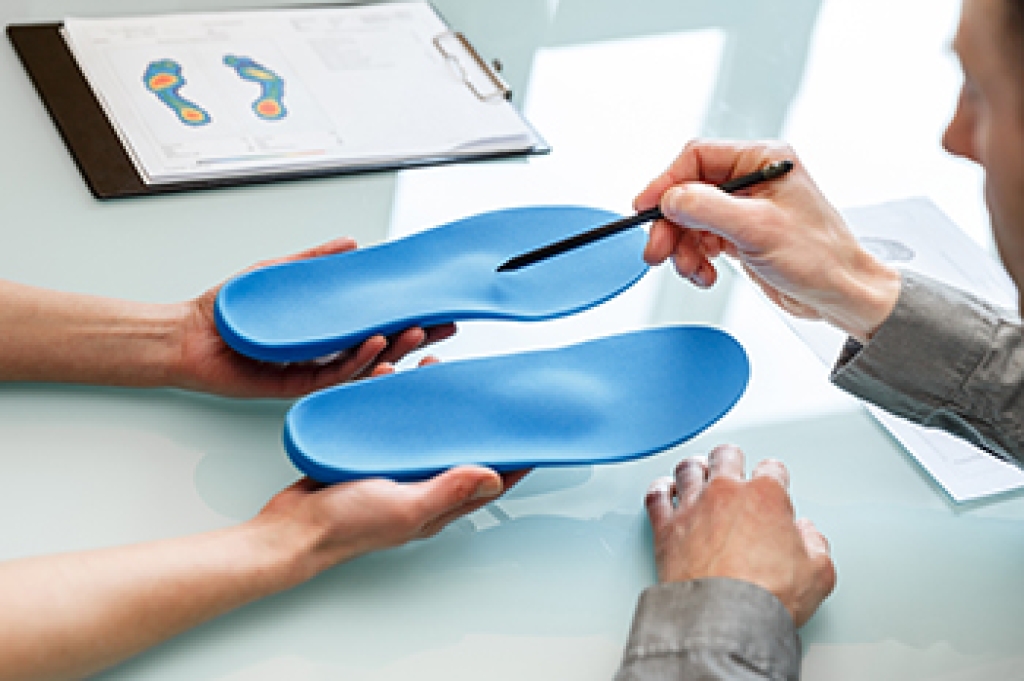
Understanding Different Types of Orthotics

Orthotics come in three main types, each offering different levels of support and customization. Off-the-shelf, or OTS insoles, are mass-produced and provide cushioning and mild correction but may not address specific biomechanical issues. Functional foot orthoses, FFOs, are semi-custom devices made from durable materials like plastic or graphite, improving foot alignment and redistributing pressure to help with conditions like plantar fasciitis or overpronation. Custom-molded total contact insoles, TCIs, offer the highest level of customization, crafted from a detailed mold of the foot to ensure maximum contact and even weight distribution. They are ideal for individuals with diabetes, severe deformities, or chronic pain. Choosing the right type of orthotic depends on foot structure, medical conditions, and activity level. For the best results, it is suggested that you consult a podiatrist to determine which orthotic is best suited to your needs.

If you are having discomfort in your feet and would like to try orthotics, contact Edward Orman, DPM from Honeygo Podiatry. Our doctor can provide the care you need to keep you pain-free and on your feet.

What Are Orthotics?

Orthotics are inserts you can place into your shoes to help with a variety of foot problems such as flat feet or foot pain. Orthotics provide relief and comfort for minor foot and heel pain but can’t correct serious biomechanical problems in your feet.

Over-the-Counter Inserts

Orthotics come in a wide variety of over-the-counter inserts that are used to treat foot pain, heel pain, and minor problems. For example, arch supports can be inserted into your shoes to help correct overarched or flat feet, while gel insoles are often used because they provide comfort and relief from foot and heel pain by alleviating pressure.

Prescription Orthotics

If over-the-counter inserts don’t work for you or if you have a more severe foot concern, it is possible to have your podiatrist prescribe custom orthotics. These high-quality inserts are designed to treat problems such as abnormal motion, plantar fasciitis, and severe forms of heel pain. They can even be used to help patients suffering from diabetes by treating foot ulcers and painful calluses and are usually molded to your feet individually, which allows them to provide full support and comfort.

If you are experiencing minor to severe foot or heel pain, it’s recommended to speak with your podiatrist about the possibilities of using orthotics. A podiatrist can determine which type of orthotic is right for you and allow you to take the first steps towards being pain-free.

If you have any questions, please feel free to contact our offices located in Perry Hall, and Fallston, MD . We offer the newest diagnostic and treatment technologies for all your foot care needs.
Read more about Ankle Foot Orthotics for Athletes

Definition and Causes of Plantar Warts

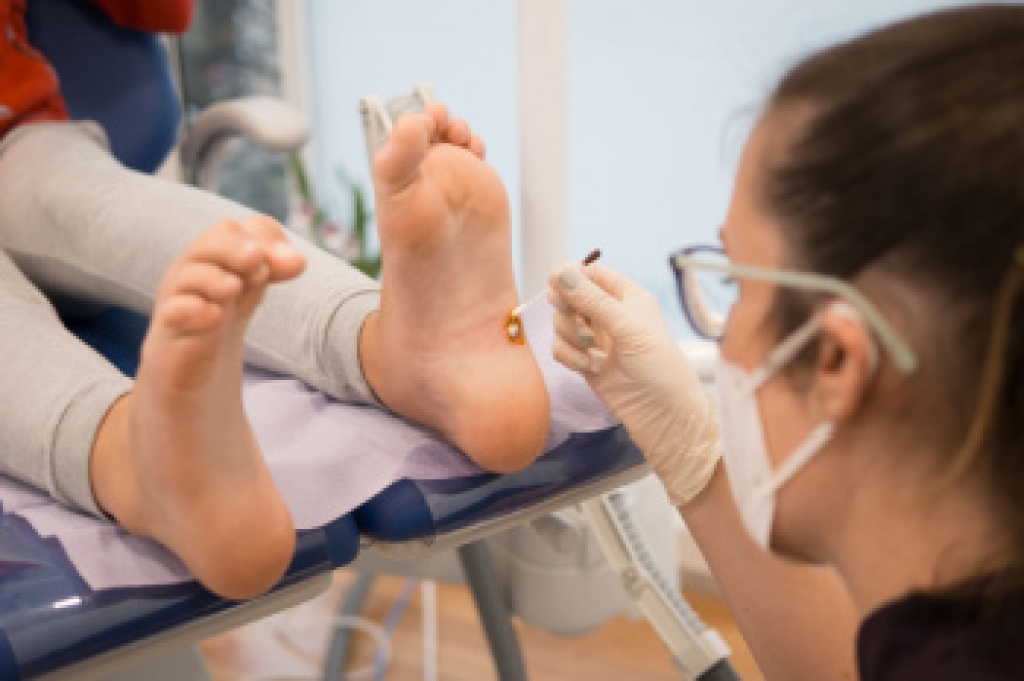
Plantar warts are small, rough growths that appear on the bottom of the feet, often on the heels or the balls of the feet. These warts are caused by the human papillomavirus, or HPV, which enters the skin through tiny cuts or breaks. The virus thrives in warm, moist environments, making public places like swimming pools or locker rooms common areas for infection. One of the most noticeable signs of plantar warts is the development of hard, thickened areas of skin, often with tiny black dots in the center, which are clogged blood vessels. The warts can cause discomfort, especially when pressure is applied, making walking or standing painful. In some cases, they may grow in clusters, which are called mosaic warts. If you have a plantar wart, it is suggested that you promptly schedule an appointment with a podiatrist who can offer effective treatment solutions, which may include removal for permanent relief.

Plantar warts can be very uncomfortable. If you need your feet checked, contact Edward Orman, DPM from Honeygo Podiatry. Our doctor will assist you with all of your foot and ankle needs.

About Plantar Warts

Plantar warts are the result of HPV, or human papillomavirus, getting into open wounds on the feet. They are mostly found on the heels or balls of the feet.

While plantar warts are generally harmless, those experiencing excessive pain or those suffering from diabetes or a compromised immune system require immediate medical care. Plantar warts are easily diagnosed, usually through scraping off a bit of rough skin or by getting a biopsy.

Symptoms

  • Lesions on the bottom of your feet, usually rough and grainy
  • Hard or thick callused spots
  • Wart seeds, which are small clotted blood vessels that look like little black spots
  • Pain, discomfort, or tenderness of your feet when walking or standing

Treatment

  • Freezing
  • Electric tool removal
  • Laser Treatment
  • Topical Creams (prescription only)
  • Over-the-counter medications

To help prevent developing plantar warts, avoid walking barefoot over abrasive surfaces that can cause cuts or wounds for HPV to get into. Avoiding direct contact with other warts, as well as not picking or rubbing existing warts, can help prevent the further spread of plantar warts. However, if you think you have developed plantar warts, speak to your podiatrist. He or she can diagnose the warts on your feet and recommend the appropriate treatment options.

If you have any questions, please feel free to contact our offices located in Perry Hall, and Fallston, MD . We offer the newest diagnostic and treatment technologies for all your foot care needs.
Read more about Plantar Warts

Advantages and Disadvantages of Having Flat Feet

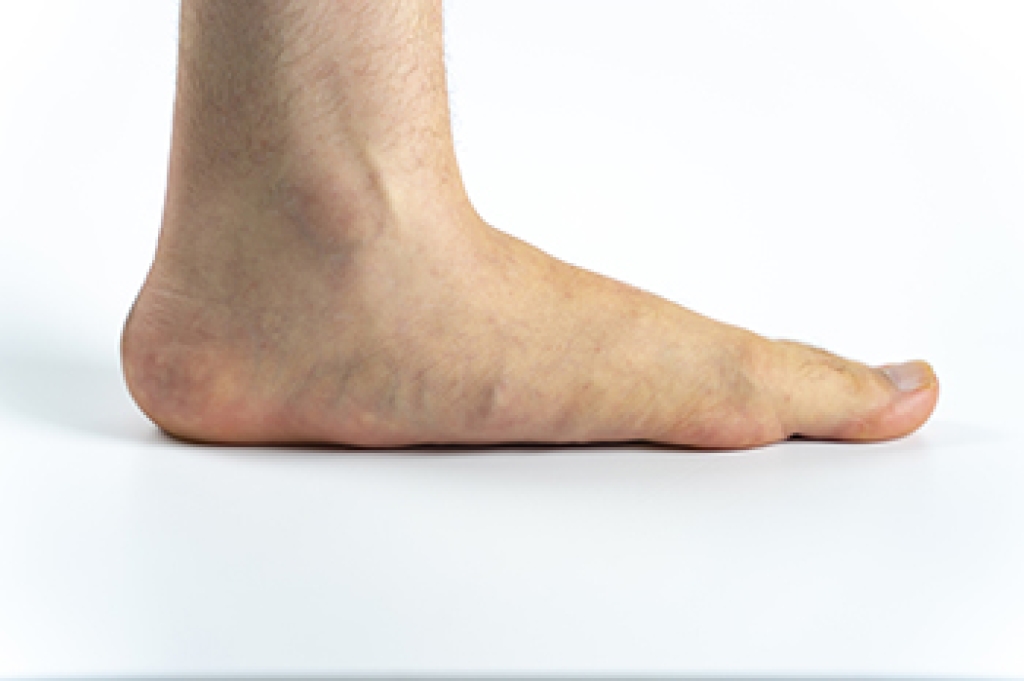
Flat feet, also known as fallen arches, occur when the arch of the foot does not develop properly, causing the entire sole to touch the ground. While flat feet can present challenges, they also come with some potential benefits. One advantage is that flat feet provide a larger surface area for contact with the ground, which can improve stability and balance in some individuals. This can be especially helpful in activities that require a solid base, such as lifting weights or standing for long periods. However, flat feet can also cause problems. The lack of a natural arch can lead to foot pain, discomfort, and an increased risk of developing conditions like plantar fasciitis or shin splints. Flat feet may also contribute to poor posture and affect the alignment of the knees, hips, and lower back. If you have flat feet and are experiencing discomfort or pain, it is suggested that you confer with a podiatrist who can help you to manage this condition. 

Flatfoot is a condition many people suffer from. If you have flat feet, contact Edward Orman, DPM from Honeygo Podiatry. Our doctor will treat your foot and ankle needs.

What Are Flat Feet?

Flatfoot is a condition in which the arch of the foot is depressed and the sole of the foot is almost completely in contact with the ground. About 20-30% of the population generally has flat feet because their arches never formed during growth.

Conditions & Problems:

Having flat feet makes it difficult to run or walk because of the stress placed on the ankles.

Alignment – The general alignment of your legs can be disrupted, because the ankles move inward which can cause major discomfort.

Knees – If you have complications with your knees, flat feet can be a contributor to arthritis in that area.  

Symptoms

  • Pain around the heel or arch area
  • Trouble standing on the tip toe
  • Swelling around the inside of the ankle
  • Flat look to one or both feet
  • Having your shoes feel uneven when worn

Treatment

If you are experiencing pain and stress on the foot you may weaken the posterior tibial tendon, which runs around the inside of the ankle. 

If you have any questions, please feel free to contact our offices located in Perry Hall, and Fallston, MD . We offer the newest diagnostic and treatment technologies for all your foot care needs.

Read more about Flat Feet

Causes of Foot Blisters From Hiking

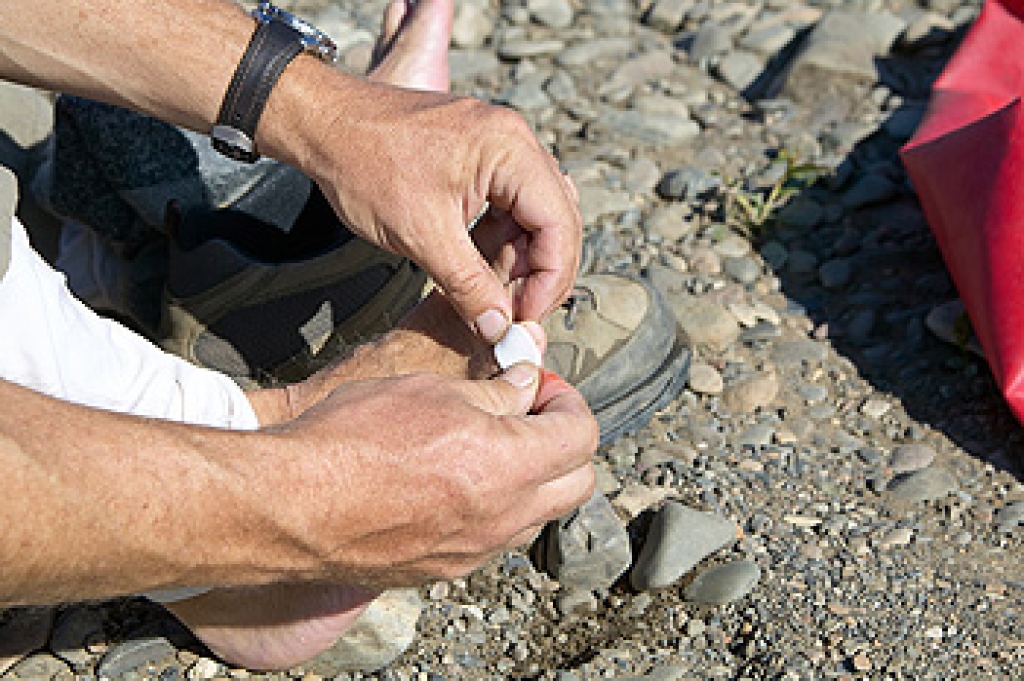
Hiking blisters are an issue for outdoor enthusiasts, often developing on the feet due to friction and pressure. These blisters occur when repeated rubbing or tight footwear causes damage to the skin, leading to the formation of a fluid-filled pocket. The causes of hiking blisters are mainly improper footwear, such as shoes that are too tight or too loose, and wearing socks that do not wick moisture away effectively. Wet feet from sweat or rain can also increase the likelihood of blisters forming. The symptoms of hiking blisters include pain, swelling, and the appearance of a raised, fluid-filled bump. To prevent blisters, it is essential to choose well-fitting shoes that provide proper support, along with moisture-wicking socks that reduce friction. Additionally, applying blister prevention tape or using lubricants can help protect the skin, while keeping feet dry and comfortable is key to avoiding blisters during long hikes. Foot blisters that developed from hiking can cause avid hikers to temporarily stop this activity. If you have developed a problematic foot blister from hiking, it is suggested that you consult a podiatrist who can offer effective relief and prevention tips.

Blisters may appear as a single bubble or in a cluster. They can cause a lot of pain and may be filled with pus, blood, or watery serum. If your feet are hurting, contact Edward Orman, DPM of Honeygo Podiatry. Our doctor can provide the care you need to keep you pain-free and on your feet.

Foot Blisters

Foot blisters are often the result of friction. This happens due to the constant rubbing from shoes, which can lead to pain.

What Are Foot Blisters?

A foot blister is a small fluid-filled pocket that forms on the upper-most layer of the skin. Blisters are filled with clear fluid and can lead to blood drainage or pus if the area becomes infected.

Symptoms

(Blister symptoms may vary depending on what is causing them)

  • Bubble of skin filled with fluid
  • Redness
  • Moderate to severe pain
  • Itching

Prevention & Treatment

In order to prevent blisters, you should be sure to wear comfortable shoes with socks that cushion your feet and absorb sweat. Breaking a blister open may increase your chances of developing an infection. However, if your blister breaks, you should wash the area with soap and water immediately and then apply a bandage to the affected area. If your blisters cause severe pain it is important that you call your podiatrist right away.

If you have any questions, please feel free to contact our offices located in Perry Hall, and Fallston, MD . We offer the newest diagnostic and treatment technologies for all your foot care needs.
Read more about Blisters

Get Professional Care for a Broken Foot or Ankle

Constant care and regular evaluation are important for a foot or ankle fracture. If left untreated, foot or ankle fractures can worsen over time and create more serious problems.

Don't wait to be examined if you believe you've experienced a foot or ankle fracture.

Common Types and Causes of Heel Pain

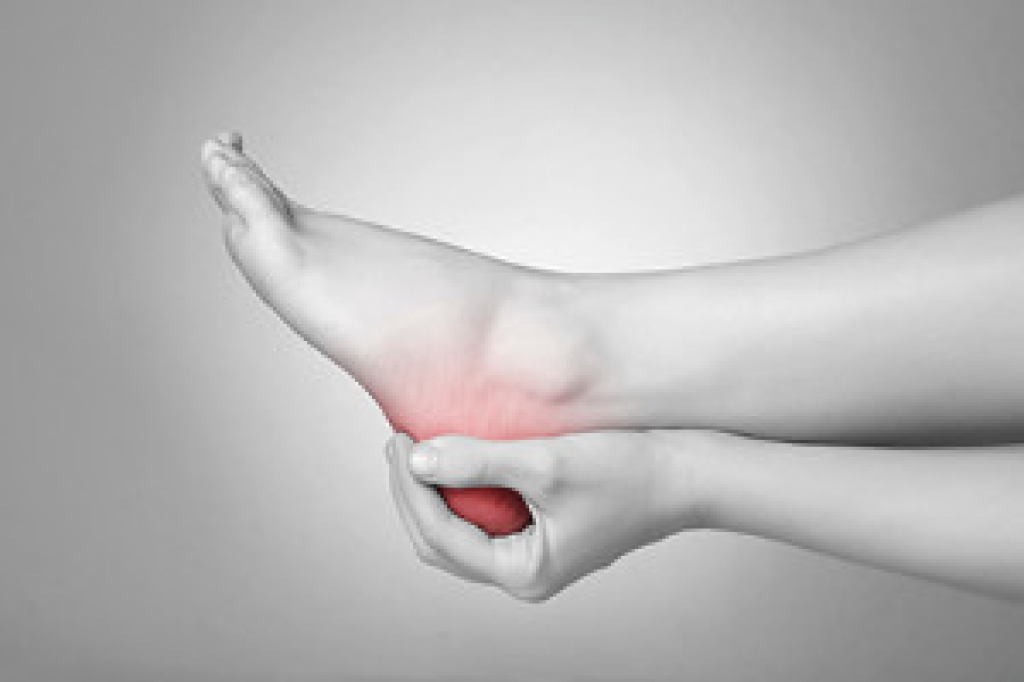
Heel pain is a widespread issue that can stem from various conditions, affecting different areas of the heel. One of the most common causes is plantar fasciitis, which occurs when the plantar fascia, a thick band of tissue running along the bottom of the foot, becomes inflamed. This condition often results in sharp pain at the bottom of the heel, particularly when taking the first steps in the morning. Another cause is heel spurs, which are bony growths that form on the heel bone, typically due to prolonged pressure or inflammation from plantar fasciitis. Heel pain can also affect the back or side of the heel. Achilles tendinitis, for example, causes pain in the back of the heel where the Achilles tendon attaches. Additionally, conditions like bursitis can lead to pain on the back or sides of the heel. If you have heel pain, it is suggested that you promptly contact a podiatrist who can accurately diagnose and offer a personalized treatment plan.

Many people suffer from bouts of heel pain. For more information, contact Edward Orman, DPM of Honeygo Podiatry. Our doctor can provide the care you need to keep you pain-free and on your feet.

Causes of Heel Pain

Heel pain is often associated with plantar fasciitis. The plantar fascia is a band of tissues that extends along the bottom of the foot. A rip or tear in this ligament can cause inflammation of the tissue.

Achilles tendonitis is another cause of heel pain. Inflammation of the Achilles tendon will cause pain from fractures and muscle tearing. Lack of flexibility is also another symptom.

Heel spurs are another cause of pain. When the tissues of the plantar fascia undergo a great deal of stress, it can lead to ligament separation from the heel bone, causing heel spurs.

Why Might Heel Pain Occur?

  • Wearing ill-fitting shoes                
  • Wearing non-supportive shoes
  • Weight change           
  • Excessive running

Treatments

Heel pain should be treated as soon as possible for immediate results. Keeping your feet in a stress-free environment will help. If you suffer from Achilles tendonitis or plantar fasciitis, applying ice will reduce the swelling. Stretching before an exercise like running will help the muscles. Using all these tips will help make heel pain a condition of the past.

If you have any questions, please feel free to contact our offices located in Perry Hall, and Fallston, MD . We offer the newest diagnostic and treatment technologies for all your foot care needs.
Read more about Heel Pain

How High Heels Affect Foot Anatomy

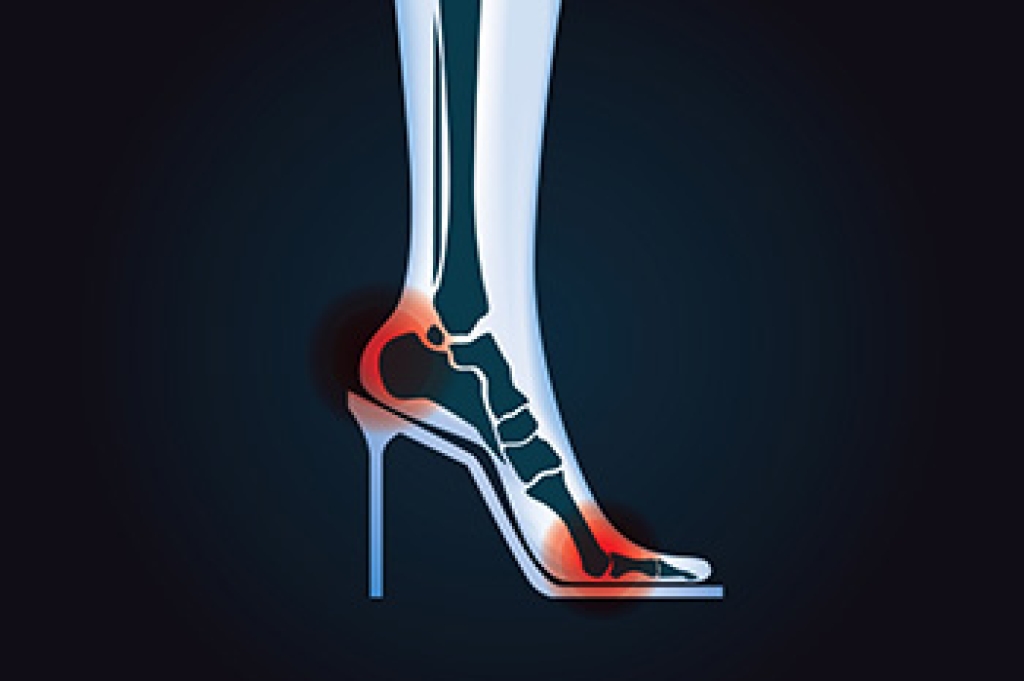
Wearing high heels regularly can significantly alter the natural anatomy of the foot, leading to a variety of long-term issues. High heels force the foot into an unnatural position, with the toes pointed downward and the weight shifted toward the front of the foot. This can place excessive pressure on the toes, leading to conditions such as bunions, hammertoes, and corns. The arch of the foot is also affected, as high heels alter the natural curvature and may lead to muscle imbalances, causing pain in the feet, calves, and lower back. Over time, wearing high heels can shorten the Achilles tendon and weaken the muscles in the feet, making it harder to walk comfortably in flat shoes. Additionally, the instability caused by the elevated heel increases the risk of sprains and other injuries. If you have foot pain from wearing high heels, it is suggested that you consult a podiatrist who can treat various foot conditions, and guide you on what type of high heels are safest to wear.

If you have any concerns about your feet, contact Edward Orman, DPM from Honeygo Podiatry. Our doctor can provide the care you need to keep you pain-free and on your feet.

Biomechanics in Podiatry

Podiatric biomechanics is a particular sector of specialty podiatry with licensed practitioners who are trained to diagnose and treat conditions affecting the foot, ankle and lower leg. Biomechanics deals with the forces that act against the body, causing an interference with the biological structures. It focuses on the movement of the ankle, the foot and the forces that interact with them.

A History of Biomechanics

  • Biomechanics dates back to the BC era in Egypt where evidence of professional foot care has been recorded.
  • In 1974, biomechanics gained a higher profile from the studies of Merton Root, who claimed that by changing or controlling the forces between the ankle and the foot, corrections or conditions could be implemented to gain strength and coordination in the area.

Modern technological improvements are based on past theories and therapeutic processes that provide a better understanding of podiatric concepts for biomechanics. Computers can provide accurate information about the forces and patterns of the feet and lower legs.

Understanding biomechanics of the feet can help improve and eliminate pain, stopping further stress to the foot.

If you have any questions please feel free to contact our offices located in Perry Hall, and Fallston, MD . We offer the newest diagnostic and treatment technologies for all your foot and ankle needs.

Read more about The Importance of Biomechanics in Podiatry

Why Foot Corns Are Painful

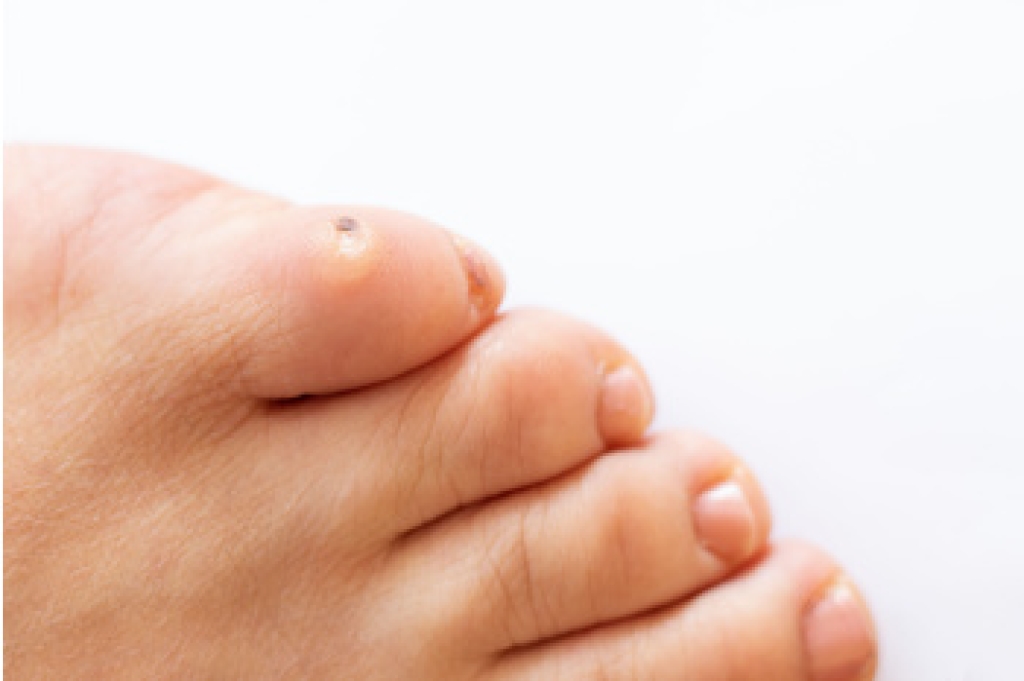
A corn on the foot is a small, thickened area of skin that forms due to friction or pressure. Corns are typically found on the tops, sides, or between the toes, where constant rubbing occurs. The skin hardens in response to the pressure, creating a raised, often painful area. Corns can be hard or soft, depending on their location and moisture level. Corns are painful because the pressure on the affected area causes irritation and inflammation, leading to discomfort, especially when walking or standing. The hard central core of a corn can press into deeper skin layers, causing sharp pain. The main causes of corns include wearing shoes that do not fit properly, abnormal foot mechanics, or activities that put excessive pressure on the feet. If you have developed a corn on your foot, it is suggested that you consult a podiatrist who can treat this painful condition.

If you have any concerns regarding your feet and ankles, contact Edward Orman, DPM of Honeygo Podiatry. Our doctor will treat your foot and ankle needs.

Corns: What Are They? and How Do You Get Rid of Them?
Corns can be described as areas of the skin that have thickened to the point of becoming painful or irritating. They are often layers and layers of the skin that have become dry and rough, and are normally smaller than calluses.

Ways to Prevent Corns
There are many ways to get rid of painful corns such as wearing:

  • Well-fitting socks
  • Comfortable shoes that are not tight around your foot
  • Shoes that offer support

Treating Corns
Treatment of corns involves removing the dead skin that has built up in the specific area of the foot. Consult with Our doctor to determine the best treatment option for your case of corns.

If you have any questions, please feel free to contact our offices located in Perry Hall, and Fallston, MD . We offer the newest diagnostic and treatment technologies for all your foot care needs.
Read more about Everything You Need to Know About Corns

Key Facts About Clubfoot

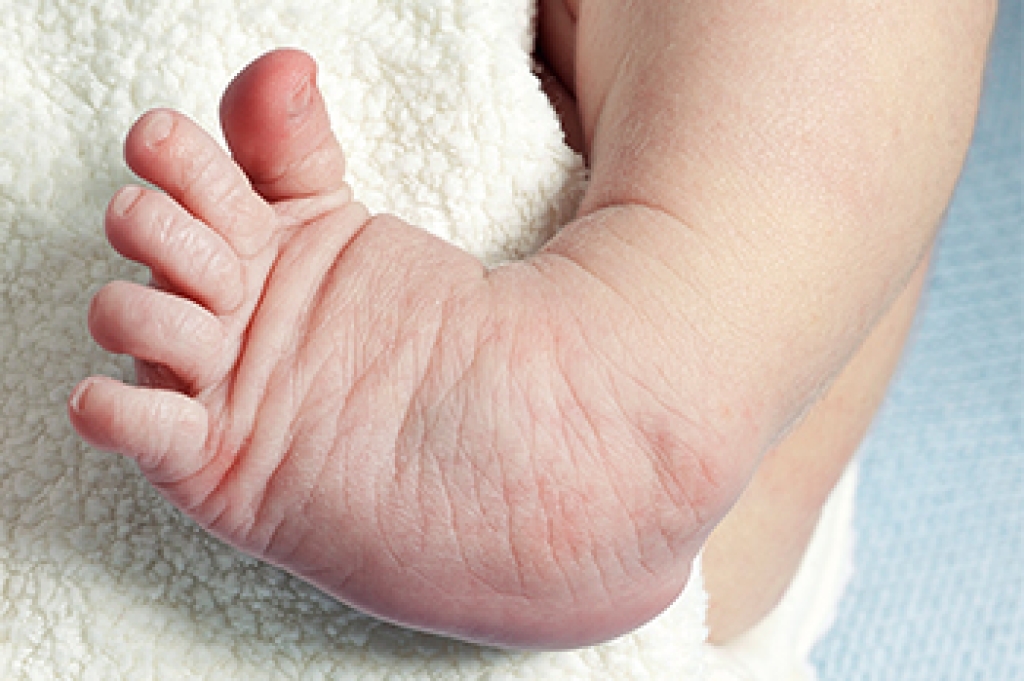
Clubfoot is a congenital condition where a baby’s foot is twisted out of shape or position, often with the toes pointing downward and inward. This condition affects one or both feet and occurs during fetal development. While the exact cause of clubfoot is unknown, it is believed to result from a combination of genetic and environmental factors. Clubfoot is diagnosed shortly after birth through a physical examination, and in some cases, an ultrasound may detect it before birth. Treatment for clubfoot typically involves a non-surgical procedure known as the Ponseti method, which uses gentle stretching and casting to correct the position of the foot. In more severe cases, surgery may be needed. With early intervention and appropriate treatment, most children with clubfoot can lead active and healthy lives, walking without pain or disability. If your child has been born with clubfoot, it is suggested that you include a podiatrist on your healthcare team for optimum recovery results.

Congenital foot problems require immediate attention to avoid future complications. If you have any concerns, contact Edward Orman, DPM of Honeygo Podiatry. Our doctor can provide the care you need to keep you pain-free and on your feet.

Congenital foot problems are deformities affecting the feet, toes, and/or ankles that children are born with. Some of these conditions have a genetic cause while others just happen. Some specific foot ailments that children may be born with include clubfeet, polydactyly/macrodactyly, and cleft foot. There are several other foot anomalies that can occur congenitally. What all of these conditions have in common is that a child may experience difficulty walking or performing everyday activities, as well as trouble finding footwear that fits their foot deformity. Some of these conditions are more serious than others. Consulting with a podiatrist as early as possible will help in properly diagnosing a child’s foot condition while getting the necessary treatment underway.

What are Causes of Congenital Foot Problem?

A congenital foot problem is one that happens to a child at birth. These conditions can be caused by a genetic predisposition, developmental or positional abnormalities during gestation, or with no known cause.

What are Symptoms of Congenital Foot Problems?

Symptoms vary by the congenital condition. Symptoms may consist of the following:

  • Clubfoot, where tendons are shortened, bones are shaped differently, and the Achilles tendon is tight, causing the foot to point in and down. It is also possible for the soles of the feet to face each other.
  • Polydactyly, which usually consists of a nubbin or small lump of tissue without a bone, a toe that is partially formed but has no joints, or an extra toe.
  • Vertical talus, where the talus bone forms in the wrong position causing other bones in the foot to line up improperly, the front of the foot to point up, and the bottom of the foot to stiffen, with no arch, and to curve out.
  • Tarsal coalition, when there is an abnormal connection of two or more bones in the foot leading to severe, rigid flatfoot.
  • Cleft foot, where there are missing toes, a V-shaped cleft, and other anatomical differences.
  • Macrodactyly, when the toes are abnormally large due to overgrowth of the underlying bone or soft tissue.

Treatment and Prevention

While there is nothing one can do to prevent congenital foot problems, raising awareness and receiving neonatal screenings are important. Early detection by taking your child to a podiatrist leads to the best outcome possible.

If you have any questions, please feel free to contact our offices located in Perry Hall, and Fallston, MD . We offer the newest diagnostic and treatment technologies for all your foot care needs.
Read more about Congenital Foot Problems

The Impact of Falling on the Feet and How to Prevent Injuries

Falling can significantly affect the feet, leading to injuries such as sprains, fractures, or bruises. When a person falls, the feet often bear the brunt of the impact, which can cause immediate pain and long-term complications. Several risk factors contribute to falls, including poor balance, weak muscles, slippery surfaces, and wearing improper footwear. People with certain health conditions, like diabetes or poor vision, may also face a higher risk of falling. To prevent falls and foot injuries, it is important to maintain good balance through exercises that strengthen the lower body. Wearing well-fitted, supportive shoes with non-slip soles can reduce the likelihood of slipping. Keeping living areas free of obstacles and ensuring proper lighting can also help minimize fall risks. If you have endured foot injuries from falling, it is suggested that you contact a podiatrist who can educate you about effective fall prevention techniques.

Preventing falls among the elderly is very important. If you are older and have fallen or fear that you are prone to falling, consult with Edward Orman, DPM from Honeygo Podiatry. Our doctor will assess your condition and provide you with quality advice and care.

Every 11 seconds, an elderly American is being treated in an emergency room for a fall related injury. Falls are the leading cause of head and hip injuries for those 65 and older. Due to decreases in strength, balance, senses, and lack of awareness, elderly persons are very susceptible to falling. Thankfully, there are a number of things older persons can do to prevent falls.

How to Prevent Falls

Some effective methods that older persons can do to prevent falls include:

  • Enrolling in strength and balance exercise program to increase balance and strength
  • Periodically having your sight and hearing checked
  • Discuss any medications you have with a doctor to see if it increases the risk of falling
  • Clearing the house of falling hazards and installing devices like grab bars and railings
  • Utilizing a walker or cane
  • Wearing shoes that provide good support and cushioning
  • Talking to family members about falling and increasing awareness

Falling can be a traumatic and embarrassing experience for elderly persons; this can make them less willing to leave the house, and less willing to talk to someone about their fears of falling. Doing such things, however, will increase the likelihood of tripping or losing one’s balance. Knowing the causes of falling and how to prevent them is the best way to mitigate the risk of serious injury.  

If you have any questions, please feel free to contact our offices located in Perry Hall, and Fallston, MD . We offer the newest diagnostic and treatment technologies for all your foot care needs.

Read more about Falls Prevention

Connect With Us

scroll to top