Facts on the Symptomatic Accessory Soleus Muscle

The accessory soleus muscle, or ASM, is a rare muscle condition that can cause pain and numbness on the inner side of the ankle, similar to tarsal tunnel syndrome. ASM usually starts from the fibula or soleus muscle and connects to the Achilles tendon or heel bone. It often appears as a small lump or swelling along the inner back of the ankle. An MRI scan is typically used to confirm its presence. Most cases are mild and can be managed by simply observing the symptoms. However, if the pain becomes severe or impacts daily activities, surgery to remove the extra muscle may be considered. If you have this type of muscle pain, it is strongly suggested that you visit a podiatrist for a proper diagnosis and treatment that is right for you.

Achilles tendon injuries need immediate attention to avoid future complications. If you have any concerns, contact Edward Orman, DPM of Honeygo Podiatry. Our doctor can provide the care you need to keep you pain-free and on your feet.

What Is the Achilles Tendon?

The Achilles tendon is a tendon that connects the lower leg muscles and calf to the heel of the foot. It is the strongest tendon in the human body and is essential for making movement possible. Because this tendon is such an integral part of the body, any injuries to it can create immense difficulties and should immediately be presented to a doctor.

What Are the Symptoms of an Achilles Tendon Injury?

There are various types of injuries that can affect the Achilles tendon. The two most common injuries are Achilles tendinitis and ruptures of the tendon.

Achilles Tendinitis Symptoms

  • Inflammation
  • Dull to severe pain
  • Increased blood flow to the tendon
  • Thickening of the tendon

Rupture Symptoms

  • Extreme pain and swelling in the foot
  • Total immobility

Treatment and Prevention

Achilles tendon injuries are diagnosed by a thorough physical evaluation, which can include an MRI. Treatment involves rest, physical therapy, and in some cases, surgery. However, various preventative measures can be taken to avoid these injuries, such as:

  • Thorough stretching of the tendon before and after exercise
  • Strengthening exercises like calf raises, squats, leg curls, leg extensions, leg raises, lunges, and leg presses

If you have any questions please feel free to contact our offices located in Perry Hall, and Fallston, MD . We offer the newest diagnostic tools and technology to treat your foot and ankle needs.


Read more about The Causes, Types, and Treatments of Achilles Tendon Injuries

The Benefits of Wearing Shoes That Fit Properly

When shoes fit correctly, it can be easier to complete daily activities. Wearing the right shoes may be helpful in protecting the body from injury, and the feet will generally feel comfortable. This is a result of proper support and adequate cushioning in the shoes. Research has indicated that it is beneficial to purchase shoes in the afternoon, when the feet are typically at their largest. It is important to ensure the toes have ample room to move freely, in addition to making sure your heels do not slip in the shoe. The type of shoes that are worn can influence the way you walk, and may affect the arches, joints, and foot muscles. If you would like to know more information about how to purchase properly fitted shoes, it is suggested that you consult with a podiatrist. 

Finding a properly-fitting shoe is important in reducing injuries and preventing foot problems. For more information about treatment, contact Edward Orman, DPM from Honeygo Podiatry. Our doctor will treat your foot and ankle needs.

Proper Shoe Fitting

A common concern when it comes to foot health, having properly fitted shoes can help prevent injuries to the foot. Out feet affect our posture and gait, which in turn affects the biomechanics and overall bodily structure. With 33 joints, 26 bones, and over 100 ligaments, the potential for serious injury is much greater than one realizes. Although the feet cease growth in adulthood, they still change shape as they mature. Here are some factors to consider when it comes to investing in proper fitting shoes:

  • Be sure the shoes fit correctly right away
  • Ensure the ball of your foot fits comfortably in the widest portion of the shoes
  • Even though they may look fashionable, improper fitting shoes can either create adverse conditions or exacerbate existing ones you may already have
  • Walk along a carpeted surface to ensure the shoes comfortably fit during normal activity

Keeping in mind how shoes fit the biomechanics of your body, properly-fitting shoes are vitally important. Fortunately, it is not difficult to acquire footwear that fits correctly. Be sure to wear shoes that support the overall structure of your body. Do your feet a favor and invest in several pairs of well-fitted shoes today.

If you have any questions, please feel free to contact our offices located in Perry Hall, and Fallston, MD . We offer the newest diagnostic and treatment technologies for all your foot care needs.

Read more about Proper Shoe Fitting

Walking Pattern Changes After an Ankle Fracture

An ankle fracture can leave lasting effects on the way a person walks, even after the bone has healed. Limited joint movement, lingering stiffness, and changes in muscle strength may cause the body to adapt in ways that alter natural stride patterns. Some individuals shorten their steps, place less weight on the injured side, or roll the foot differently to avoid discomfort. These adjustments can strain other joints, such as the knees, hips, and lower back, over time. Restoring a balanced gait often involves targeted exercises to improve flexibility, rebuild strength, and retrain walking mechanics. Wearing supportive footwear or orthotics may also help distribute pressure more evenly across the foot. Addressing gait changes early can prevent secondary problems and improve long-term mobility. If walking feels awkward or uncomfortable after an ankle fracture, it is suggested that you see a podiatrist for evaluation and guidance.

Broken ankles need immediate treatment. If you are seeking treatment, contact Edward Orman, DPM from Honeygo Podiatry. Our doctor can provide the care you need to keep you pain-free and on your feet. 

Broken Ankles
A broken ankle is experienced when a person fractures their tibia or fibula in the lower leg and ankle area. Both of these bones are attached at the bottom of the leg and combine to form what we know to be our ankle.

When a physician is referring to a break of the ankle, he or she is usually referring to a break in the area where the tibia and fibula are joined to create our ankle joint. Ankles are more prone to fractures because the ankle is an area that suffers a lot of pressure and stress. There are some obvious signs when a person experiences a fractured ankle, and the following symptoms may be present.

Symptoms of a Fractured Ankle

  • Excessive pain when the area is touched or when any pressure is placed on the ankle
  • Swelling around the area
  • Bruising of the area
  • Area appears to be deformed

If you suspect an ankle fracture, it is recommended to seek treatment as soon as possible. The sooner you have your podiatrist diagnose the fracture, the quicker you’ll be on the way towards recovery.

If you have any questions, please feel free to contact our offices located in Perry Hall, and Fallston, MD . We offer the newest diagnostic and treatment technologies for all your foot care needs.

Read more about All About Broken Ankle

Symptoms and Causes of Heel Fat Pad Syndrome

Heel fat pad syndrome occurs when the thick, protective layer of fatty tissue beneath the heel becomes thinned, displaced, or inflamed. This heel fat pad, known as the corpus adiposum, normally cushions the heel bone and helps absorb the force of impact during walking or running. When the fat pad loses its elasticity or volume, it can no longer protect the heel effectively. This results in a deep, bruise-like pain in the center of the heel, especially when walking barefoot or on hard surfaces. Common causes include repetitive impact from sports, prolonged standing, walking on hard floors, gait abnormalities, and age-related tissue breakdown. Excess body weight and medical conditions, such as rheumatoid arthritis or diabetes, may also contribute. The heel pain typically worsens with activity and improves with rest. A podiatrist can evaluate heel structure, identify fat pad atrophy through a physical exam or imaging, and recommend methods to reduce discomfort and protect the heel. If your heels hurt during everyday activities, it is suggested that you schedule an appointment with a podiatrist for an exam and appropriate treatment options.

Many people suffer from bouts of heel pain. For more information, contact Edward Orman, DPM of Honeygo Podiatry. Our doctor can provide the care you need to keep you pain-free and on your feet.

Causes of Heel Pain

Heel pain is often associated with plantar fasciitis. The plantar fascia is a band of tissues that extends along the bottom of the foot. A rip or tear in this ligament can cause inflammation of the tissue.

Achilles tendonitis is another cause of heel pain. Inflammation of the Achilles tendon will cause pain from fractures and muscle tearing. Lack of flexibility is also another symptom.

Heel spurs are another cause of pain. When the tissues of the plantar fascia undergo a great deal of stress, it can lead to ligament separation from the heel bone, causing heel spurs.

Why Might Heel Pain Occur?

  • Wearing ill-fitting shoes                
  • Wearing non-supportive shoes
  • Weight change           
  • Excessive running

Treatments

Heel pain should be treated as soon as possible for immediate results. Keeping your feet in a stress-free environment will help. If you suffer from Achilles tendonitis or plantar fasciitis, applying ice will reduce the swelling. Stretching before an exercise like running will help the muscles. Using all these tips will help make heel pain a condition of the past.

If you have any questions, please feel free to contact our offices located in Perry Hall, and Fallston, MD . We offer the newest diagnostic and treatment technologies for all your foot care needs.

Read more about Heel Pain

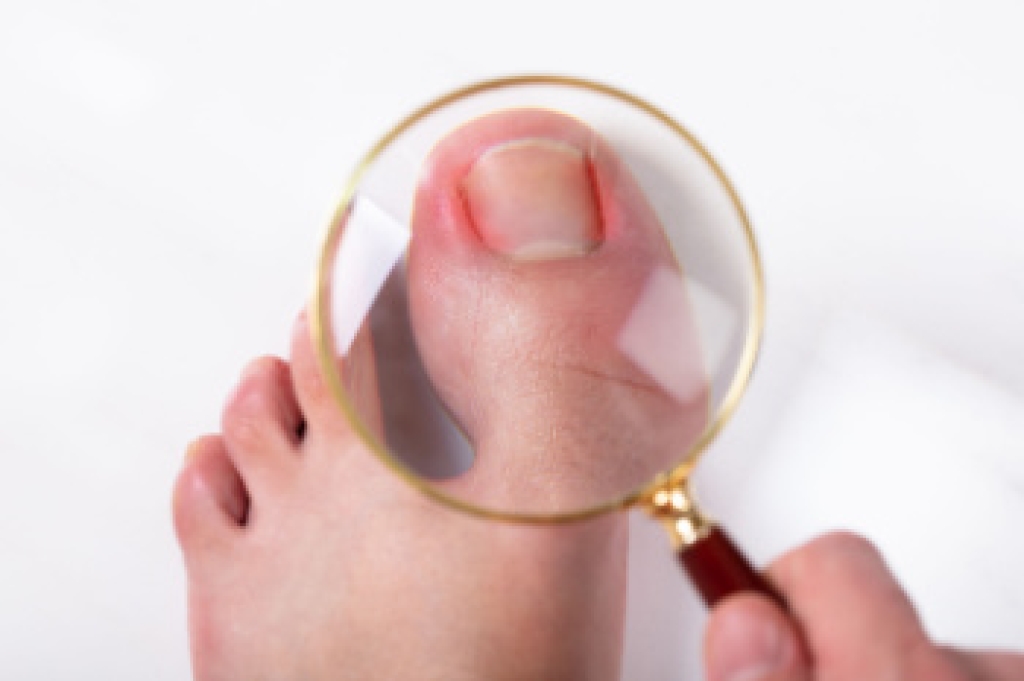
When Ingrown Toenails Become Infected

An ingrown toenail happens when the edge of the nail presses into the surrounding skin, often causing pain and swelling. If bacteria enters the broken skin, the area can become infected. Signs of infection include redness, warmth, pus, and increased tenderness. Wearing tight shoes, improper nail trimming, or injury can increase the risk. Infections can spread if not treated promptly, sometimes leading to more serious problems. A podiatrist can safely remove the ingrown portion of the nail, clean the area, and recommend antibiotics, if necessary. For recurring cases, a minor procedure may be suggested to stop part of the nail from growing back. If your toe is painful, swollen, or shows signs of infection, it is suggested you visit a podiatrist for proper treatment.

Ingrown toenails can become painful if they are not treated properly. For more information about ingrown toenails, contact Edward Orman, DPM of Honeygo Podiatry. Our doctor can provide the care you need to keep you pain-free and on your feet.

Ingrown Toenails

Ingrown toenails occur when a toenail grows sideways into the bed of the nail, causing pain, swelling, and possibly infection.

Causes

  • Bacterial infections
  • Improper nail cutting such as cutting it too short or not straight across
  • Trauma to the toe, such as stubbing, which causes the nail to grow back irregularly
  • Ill-fitting shoes that bunch the toes too close together
  • Genetic predisposition

Prevention

Because ingrown toenails are not something found outside of shoe-wearing cultures, going barefoot as often as possible will decrease the likeliness of developing ingrown toenails. Wearing proper fitting shoes and using proper cutting techniques will also help decrease your risk of developing ingrown toenails.

Treatment

Ingrown toenails are a very treatable foot condition. In minor cases, soaking the affected area in salt or antibacterial soaps will not only help with the ingrown nail itself, but also help prevent any infections from occurring. In more severe cases, surgery is an option. In either case, speaking to your podiatrist about this condition will help you get a better understanding of specific treatment options that are right for you.

If you have any questions, please feel free to contact our offices located in Perry Hall, and Fallston, MD . We offer the newest diagnostic and treatment technologies for all your foot care needs.

Read more about Ingrown Toenails

What Bunions Are and How to Treat Them

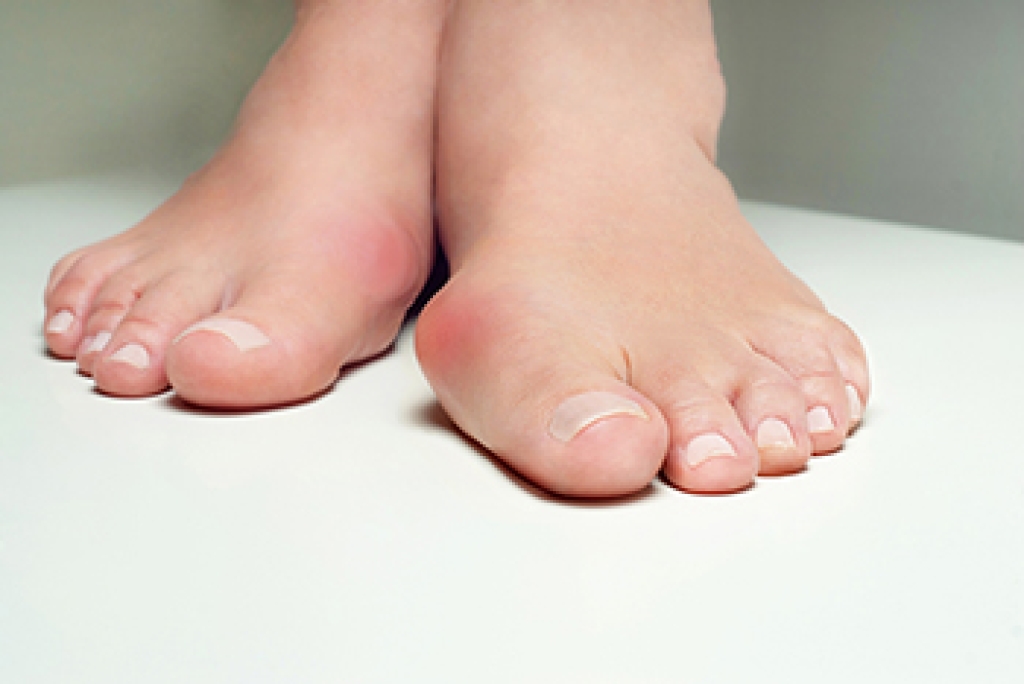
Bunions are deformities that develop at the base of the big toe, forming hard lumps on the sides of the feet. They occur when the big toe gradually shifts toward the other toes, causing the joint to push outward. This misalignment may result from inherited foot structure, poor footwear choices, or stress on the feet over time. Symptoms include swelling, redness, soreness, and difficulty wearing shoes comfortably. A podiatrist can evaluate the condition, provide pain relief strategies, recommend proper footwear, and discuss treatment options that may include custom orthotics or surgical correction. If you see a bump near your big toe or experience pain while walking, it is suggested that you seek podiatric care to restore comfort and function.

If you are suffering from bunions, contact Edward Orman, DPM of Honeygo Podiatry. Our doctor can provide the care you need to keep you pain-free and on your feet.

What Is a Bunion?

A bunion is formed of swollen tissue or an enlargement of boney growth, usually located at the base joint of the toe that connects to the foot. The swelling occurs due to the bones in the big toe shifting inward, which impacts the other toes of the foot. This causes the area around the base of the big toe to become inflamed and painful.

Why Do Bunions Form?

Genetics – Susceptibility to bunions are often hereditary

Stress on the feet – Poorly fitted and uncomfortable footwear that places stress on feet, such as heels, can worsen existing bunions

How Are Bunions Diagnosed?

Doctors often perform two tests – blood tests and x-rays – when trying to diagnose bunions, especially in the early stages of development. Blood tests help determine if the foot pain is being caused by something else, such as arthritis, while x-rays provide a clear picture of your bone structure to your doctor.

How Are Bunions Treated?

  • Refrain from wearing heels or similar shoes that cause discomfort
  • Select wider shoes that can provide more comfort and reduce pain
  • Anti-inflammatory and pain management drugs
  • Orthotics or foot inserts
  • Surgery

If you have any questions, please feel free to contact our offices located in Perry Hall, and Fallston, MD . We offer the newest diagnostic and treatment technologies for all your foot care needs.

Read more about What Are Bunions?

Understanding Plantar Fasciitis

Plantar fasciitis is a common foot condition that causes pain in the heel or arch of the foot. It occurs when the plantar fascia, a thick band of tissue that supports your arch, becomes inflamed due to overuse, tight calf muscles, poor footwear, or excessive standing. Runners, people with flat feet, and those who are overweight are especially at risk. Symptoms include sharp, stabbing heel pain, especially with the first steps in the morning or after long periods of rest. The heel may feel swollen or tender to the touch. A podiatrist can diagnose plantar fasciitis through physical examination and may recommend custom orthotics, stretching exercises, or footwear changes. In some cases, advanced treatments like corticosteroid injections may be recommended. If you are dealing with heel pain that may be caused by plantar fasciitis, it is suggested that you make an appointment with a podiatrist.

Plantar fasciitis is a common foot condition that is often caused by a strain injury. If you are experiencing heel pain or symptoms of plantar fasciitis, contact Edward Orman, DPM from Honeygo Podiatry. Our doctor can provide the care you need to keep you pain-free and on your feet.

What Is Plantar Fasciitis?

Plantar fasciitis is one of the most common causes of heel pain. The plantar fascia is a ligament that connects your heel to the front of your foot. When this ligament becomes inflamed, plantar fasciitis is the result. If you have plantar fasciitis you will have a stabbing pain that usually occurs with your first steps in the morning. As the day progresses and you walk around more, this pain will start to disappear, but it will return after long periods of standing or sitting.

What Causes Plantar Fasciitis?

  • Excessive running
  • Having high arches in your feet
  • Other foot issues such as flat feet
  • Pregnancy (due to the sudden weight gain)
  • Being on your feet very often

There are some risk factors that may make you more likely to develop plantar fasciitis compared to others. The condition most commonly affects adults between the ages of 40 and 60. It also tends to affect people who are obese because the extra pounds result in extra stress being placed on the plantar fascia.

Prevention

  • Take good care of your feet – Wear shoes that have good arch support and heel cushioning.
  • Maintain a healthy weight
  • If you are a runner, alternate running with other sports that won’t cause heel pain

There are a variety of treatment options available for plantar fasciitis along with the pain that accompanies it. Additionally, physical therapy is a very important component in the treatment process. It is important that you meet with your podiatrist to determine which treatment option is best for you.

If you have any questions, please feel free to contact our offices located in Perry Hall, and Fallston, MD . We offer the newest diagnostic and treatment technologies for all your foot care needs.


Read more about Plantar Fasciitis

When Nerves Cause Foot Pain

Tarsal tunnel syndrome occurs when the posterior tibial nerve is compressed as it passes through the tarsal tunnel near the ankle. This nerve pressure can lead to tingling, burning, numbness, or shooting pain in the foot or ankle. Causes include injury, swelling, flat feet, or conditions such as arthritis. Risk factors involve repetitive motion, standing for long periods of time, and certain foot structures that increase nerve compression. A podiatrist can diagnose this condition through physical exams and imaging, then offer treatments such as orthotics, or, in some cases, surgical intervention. If you are experiencing unexplained foot or ankle pain, it is suggested that you consult a podiatrist who can provide an accurate diagnosis and treatment options.

Tarsal tunnel syndrome can be very uncomfortable to live with. If you are experiencing tarsal tunnel syndrome, contact Edward Orman, DPM of Honeygo Podiatry. Our doctor can provide the care you need to keep you pain-free and on your feet.

Tarsal Tunnel Syndrome

Tarsal tunnel syndrome, which can also be called tibial nerve dysfunction, is an uncommon condition of misfiring peripheral nerves in the foot. The tibial nerve is the peripheral nerve in the leg responsible for sensation and movement of the foot and calf muscles. In tarsal tunnel syndrome, the tibial nerve is damaged, causing problems with movement and feeling in the foot of the affected leg.

Common Cause of Tarsal Tunnel Syndrome

  • Involves pressure or an injury, direct pressure on the tibial nerve for an extended period of time, sometimes caused by other body structures close by or near the knee.
  • Diseases that damage nerves, including diabetes, may cause tarsal tunnel syndrome.
  • At times, tarsal tunnel syndrome can appear without an obvious cause in some cases.

The Effects of Tarsal Tunnel Syndrome

  • Different sensations, an afflicted person may experience pain, tingling, burning or other unusual sensations in the foot of the affected leg.
  • The foot muscles, toes and ankle become weaker, and curling your toes or flexing your foot can become difficult.
  • If condition worsens, infections and ulcers may develop on the foot that is experiencing the syndrome.

A physical exam of the leg can help identify the presence of tarsal tunnel syndrome. Medical tests, such as a nerve biopsy, are also used to diagnose the condition. Patients may receive physical therapy and prescriptive medication. In extreme cases, some may require surgery.

If you have any questions please contact our offices located in Perry Hall, and Fallston, MD . We offer the newest diagnostic and treatment technologies for all your foot and ankle needs.

Read more about Tarsal Tunnel Syndrome

Understanding Foot Neuropathy and the Role of a Podiatrist

Foot neuropathy involves damage to the nerves in the feet, often leading to numbness, tingling, burning sensations, or sharp pain. It can also cause weakness or loss of coordination, making walking difficult. Common causes include diabetes, alcohol abuse, vitamin deficiencies, infections, or certain medications. Risk factors include poor circulation, prolonged high blood sugar, and a history of nerve disorders. A podiatrist can help by identifying the underlying cause, providing testing, and recommending treatments such as proper footwear, custom orthotics, and nerve support therapy. If you are experiencing unusual sensations or discomfort in your feet, it is suggested that you visit a podiatrist for an early diagnosis and appropriate treatment options. 

Neuropathy

Neuropathy can be a potentially serious condition, especially if it is left undiagnosed. If you have any concerns that you may be experiencing nerve loss in your feet, consult with Edward Orman, DPM from Honeygo Podiatry. Our doctor will assess your condition and provide you with quality foot and ankle treatment for neuropathy.

What Is Neuropathy?

Neuropathy is a condition that leads to damage to the nerves in the body. Peripheral neuropathy, or neuropathy that affects your peripheral nervous system, usually occurs in the feet. Neuropathy can be triggered by a number of different causes. Such causes include diabetes, infections, cancers, disorders, and toxic substances.

Symptoms of Neuropathy Include:

  • Numbness
  • Sensation loss
  • Prickling and tingling sensations
  • Throbbing, freezing, burning pains
  • Muscle weakness

Those with diabetes are at serious risk due to being unable to feel an ulcer on their feet. Diabetics usually also suffer from poor blood circulation. This can lead to the wound not healing, infections occurring, and the limb may have to be amputated.

Treatment

To treat neuropathy in the foot, podiatrists will first diagnose the cause of the neuropathy. Figuring out the underlying cause of the neuropathy will allow the podiatrist to prescribe the best treatment, whether it be caused by diabetes, toxic substance exposure, infection, etc. If the nerve has not died, then it’s possible that sensation may be able to return to the foot.

Pain medication may be issued for pain. Electrical nerve stimulation can be used to stimulate nerves. If the neuropathy is caused from pressure on the nerves, then surgery may be necessary.

If you have any questions, please feel free to contact our offices located in Perry Hall, and Fallston, MD . We offer the newest diagnostic and treatment technologies for all your foot care needs.

Read more about Neuropathy

Gout and Its Impact on the Big Toe

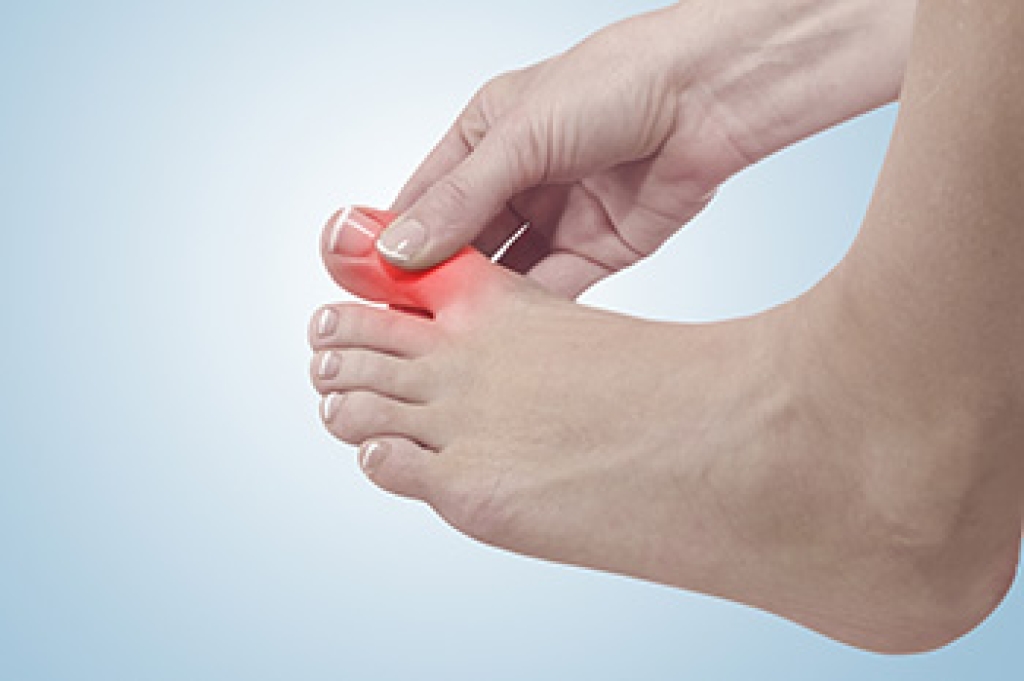
Gout is a form of inflammatory arthritis caused by a condition called hyperuricemia, where excess uric acid builds up in the blood. When uric acid crystallizes, it deposits in the joints, leading to sudden and intense pain, swelling, and redness. The big toe is often affected due to its lower temperature and reduced circulation, which promote crystal formation.  Common causes of gout include genetics, poor kidney function, high-purine diets, and certain medications. Among the risk factors are obesity, age, alcohol use, and medical conditions such as hypertension. A podiatrist can diagnose gout through clinical evaluation and testing, provide pain relief, and recommend lifestyle changes. If you have pain in your big toe, it is suggested that you promptly contact this type of doctor who can accurately diagnose gout and offer effective relief and management solutions.

Gout is a foot condition that requires certain treatment and care. If you are seeking treatment, contact Edward Orman, DPM from Honeygo Podiatry. Our doctor will treat your foot and ankle needs.

What Is Gout?

Gout is a type of arthritis caused by a buildup of uric acid in the bloodstream. It often develops in the foot, especially the big toe area, although it can manifest in other parts of the body as well. Gout can make walking and standing very painful and is especially common in diabetics and the obese.

People typically get gout because of a poor diet. Genetic predisposition is also a factor. The children of parents who have had gout frequently have a chance of developing it themselves.

Gout can easily be identified by redness and inflammation of the big toe and the surrounding areas of the foot. Other symptoms include extreme fatigue, joint pain, and running high fevers. Sometimes corticosteroid drugs can be prescribed to treat gout, but the best way to combat this disease is to get more exercise and eat a better diet.

If you have any questions, please feel free to contact our offices located in Perry Hall, and Fallston, MD . We offer the newest diagnostic and treatment technologies for all your foot care needs.

Read more about Everything You Need to Know About Gout

Connect With Us

scroll to top