
Understanding What Arthritis in the Feet Feels Like

Arthritis in the feet is a condition that can bring a range of discomforts and unique sensations. It often manifests as pain and stiffness in the joints, making every step a potential challenge. Individuals with foot arthritis may experience a deep, aching pain that worsens with movement. This discomfort can be present in various areas of the foot, including the toes, the midfoot, or the ankle. One common sensation associated with foot arthritis is a feeling of stiffness or inflexibility. It can be particularly pronounced in the morning or after periods of inactivity. As arthritis progresses, swelling and warmth may accompany the pain, making the affected foot feel tender to the touch. In more advanced cases, individuals may notice a grinding or popping sensation in the affected joints, indicating the wear and tear of the cartilage. Understanding what arthritis in the feet feels like is essential for timely diagnosis and effective management. If you have any of the above symptoms which may indicate arthritis in the feet, it is suggested that you schedule an appointment with a podiatrist who can guide you toward relief methods.

Arthritis can be a difficult condition to live with. If you are seeking treatment, contact Edward Orman, DPM from Honeygo Podiatry. Our doctor can provide the care you need to keep you pain-free and on your feet.

Arthritic Foot Care  

Arthritis is a term that is commonly used to describe joint pain.  The condition itself can occur to anyone of any age, race, or gender, and there are over 100 types of it.  Nevertheless, arthritis is more commonly found in women compared to men, and it is also more prevalent in those who are overweight. The causes of arthritis vary depending on which type of arthritis you have. Osteoarthritis for example, is often caused by injury, while rheumatoid arthritis is caused by a misdirected immune system.

Symptoms

  • Swelling
  • Pain
  • Stiffness
  • Decreased Range of Motion

Arthritic symptoms range in severity, and they may come and go. Some symptoms stay the same for several years but could potentially get worse with time. Severe cases of arthritis can prevent its sufferers from performing daily activities and make walking difficult.

Risk Factors

  • Occupation – Occupations requiring repetitive knee movements have been linked to osteoarthritis
  • Obesity – Excess weight can contribute to osteoarthritis development
  • Infection – Microbial agents can infect the joints and trigger arthritis
  • Joint Injuries – Damage to joints may lead to osteoarthritis
  • Age – Risk increases with age
  • Gender –Most types are more common in women
  • Genetics – Arthritis can be hereditary

If you suspect your arthritis is affecting your feet, it is crucial that you see a podiatrist immediately. Your doctor will be able to address your specific case and help you decide which treatment method is best for you.

If you have any questions please feel free to contact our offices located in Perry Hall, and Fallston, MD . We offer the newest diagnostic tools and technology to treat your foot and ankle needs.
Read more about How to Care for Your Arthritic Foot

Causes and Treatment for Bunions

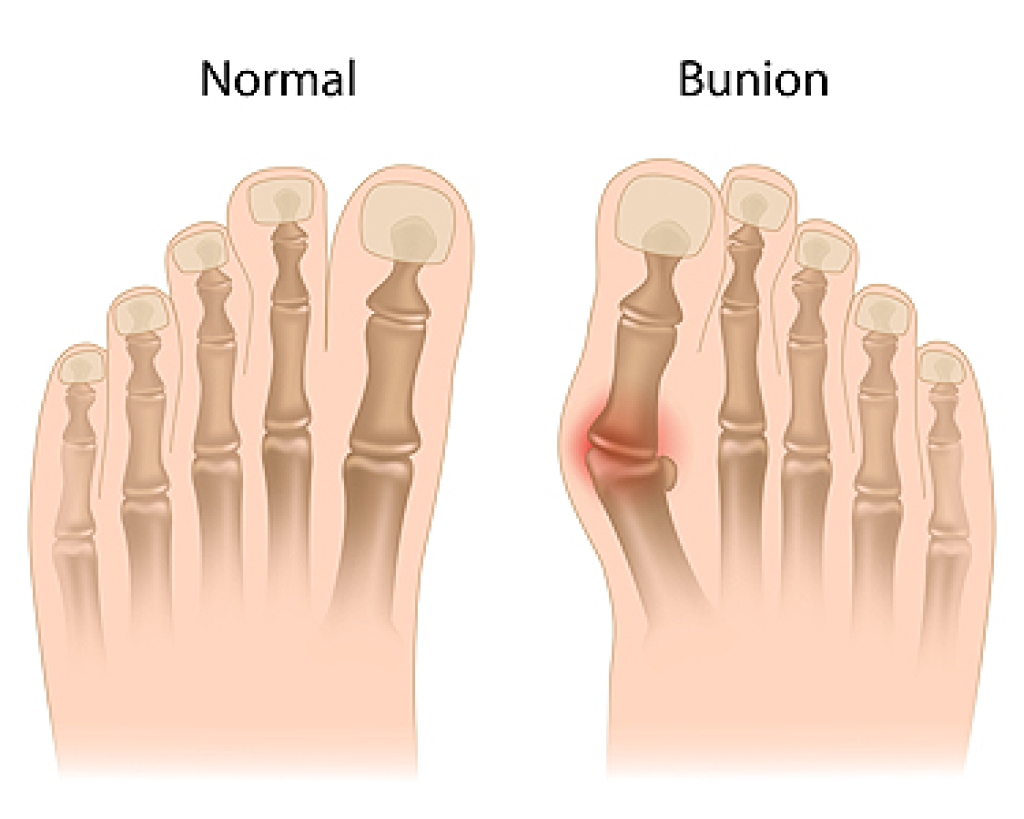
Bunions are painful bumps at the base of the big toe, primarily the result of hallux valgus, where the big toe deviates outward and tilts toward the second toe. Contributing factors for the formation of bunions include foot pronation, wearing tight shoes, injuries, osteoarthritis, and heredity. Bunions can cause pain, especially in narrow shoes, and may enlarge over time. Painful swelling caused by inflamed bursa under the toe often accompanies bunions and limits joint motion. Diagnosing bunions relies on symptoms and physical exams, such as X-rays, while joint fluid analysis rules out infectious arthritis or gout. Treatment options depend on the severity of the bunion. A podiatrist can guide you toward non-invasive treatment solutions, including orthotics, nonsteroidal anti-inflammatory medication, and corticosteroid injections to manage pain and inflammation. In severe cases, or when more conservative measures fail, surgical bunionectomy becomes an option. This procedure corrects joint alignment and removes the bunion. To determine the best treatment plan for your specific needs and taking into account the severity of your bunion, it is suggested that you make an appointment with a podiatrist.

If you are suffering from bunions, contact Edward Orman, DPM of Honeygo Podiatry. Our doctor can provide the care you need to keep you pain-free and on your feet.

What Is a Bunion?

A bunion is formed of swollen tissue or an enlargement of boney growth, usually located at the base joint of the toe that connects to the foot. The swelling occurs due to the bones in the big toe shifting inward, which impacts the other toes of the foot. This causes the area around the base of the big toe to become inflamed and painful.

Why Do Bunions Form?

Genetics – Susceptibility to bunions are often hereditary

Stress on the feet – Poorly fitted and uncomfortable footwear that places stress on feet, such as heels, can worsen existing bunions

How Are Bunions Diagnosed?

Doctors often perform two tests – blood tests and x-rays – when trying to diagnose bunions, especially in the early stages of development. Blood tests help determine if the foot pain is being caused by something else, such as arthritis, while x-rays provide a clear picture of your bone structure to your doctor.

How Are Bunions Treated?

  • Refrain from wearing heels or similar shoes that cause discomfort
  • Select wider shoes that can provide more comfort and reduce pain
  • Anti-inflammatory and pain management drugs
  • Orthotics or foot inserts
  • Surgery

If you have any questions, please feel free to contact our offices located in Perry Hall, and Fallston, MD . We offer the newest diagnostic and treatment technologies for all your foot care needs.

Read more about Bunions

Are You Suffering From Nerve Damage?

Neuropathy is a condition that can lead to numbness or loss of sensation in the feet, but it can also cause pain. This condition is more likely to develop for those who are diabetic, obese, or with high blood pressure.

Causes and Risk Factors of Ankle Sprains

Ankle sprains are common injuries that can occur during various activities in everyday life. Ankle sprains can be caused by walking on uneven terrain or engaging in sports that involve rapid changes in direction or sudden stops, starts, and pivots.  A sprain can also be caused by falling while keeping the foot planted on the ground. This exerts sudden and excessive force on the ankle, causing it to twist. Choice of footwear can play a role in ankle health. Wearing high-heeled or unsupportive shoes can increase the risk of instability and make ankle sprains more likely. A history of ankle sprains is a significant risk factor. If a previous ankle injury was not effectively rehabilitated, weakened ligaments may not provide the support they once did, increasing the risk of reinjury. Symptoms of a sprained ankle include immediate pain, swelling, discoloration, or bruising around the sprained area. Additionally, weakness can make it challenging or impossible to bear weight. In severe cases where ankle ligaments are torn, you may feel a popping or snapping sensation during the sprain. If you suspect you have sprained your ankle, it is suggested that you make an appointment with a podiatrist as quickly as possible following the injury.

Ankle sprains are common but need immediate attention. If you need your feet checked, contact Edward Orman, DPM from Honeygo Podiatry. Our doctor can provide the care you need to keep you pain-free and on your feet.

How Does an Ankle Sprain Occur?

Ankle sprains take place when the ligaments in your ankle are torn or stretched beyond their limits. There are multiple ways that the ankle can become injured, including twisting or rolling over onto your ankle, putting undue stress on it, or causing trauma to the ankle itself.

What Are the Symptoms?

  • Mild to moderate bruising
  • Limited mobility
  • Swelling
  • Discoloration of the skin (depending on severity)

Preventing a Sprain

  • Wearing appropriate shoes for the occasion
  • Stretching before exercises and sports
  • Knowing your limits

Treatment of a Sprain

Treatment of a sprain depends on the severity.  Many times, people are told to rest and remain off their feet completely, while others are given an air cast. If the sprain is very severe, surgery may be required.

If you have suffered an ankle sprain previously, you may want to consider additional support such as a brace and regular exercises to strengthen the ankle.

If you have any questions please feel free to contact our offices located in Perry Hall, and Fallston, MD . We offer the newest diagnostic tools and technology to treat your foot and ankle needs.

Read more about Ankle Sprains

Identifying the Signs and Symptoms of Flat Feet

Flat feet, also known as fallen arches, are a common condition that affects individuals of all ages. Identifying whether you have flat feet involves recognizing various signs and symptoms. First, stand on an even surface and observe the soles of your feet. If your arches touch the ground entirely or appear significantly lowered, you may have flat feet. Pain or discomfort in the feet, particularly in the arches, heels, or calves, can also indicate flat feet. Additionally, your shoes may wear out more on the inner side, revealing your foot's pronation pattern. Consulting a podiatrist for a thorough evaluation and diagnosis is essential to determine if you have flat feet. A podiatrist will explore appropriate treatments and support options for your specific needs. If you think you have flat feet, it is suggested that you schedule an appointment with this type of doctor as soon as possible.

Flatfoot is a condition many people suffer from. If you have flat feet, contact Edward Orman, DPM from Honeygo Podiatry. Our doctor will treat your foot and ankle needs.

What Are Flat Feet?

Flatfoot is a condition in which the arch of the foot is depressed and the sole of the foot is almost completely in contact with the ground. About 20-30% of the population generally has flat feet because their arches never formed during growth.

Conditions & Problems:

Having flat feet makes it difficult to run or walk because of the stress placed on the ankles.

Alignment – The general alignment of your legs can be disrupted, because the ankles move inward which can cause major discomfort.

Knees – If you have complications with your knees, flat feet can be a contributor to arthritis in that area.  

Symptoms

  • Pain around the heel or arch area
  • Trouble standing on the tip toe
  • Swelling around the inside of the ankle
  • Flat look to one or both feet
  • Having your shoes feel uneven when worn

Treatment

If you are experiencing pain and stress on the foot you may weaken the posterior tibial tendon, which runs around the inside of the ankle. 

If you have any questions, please feel free to contact our offices located in Perry Hall, and Fallston, MD . We offer the newest diagnostic and treatment technologies for all your foot care needs.

Read more about Flatfoot

Connect With Us

scroll to top