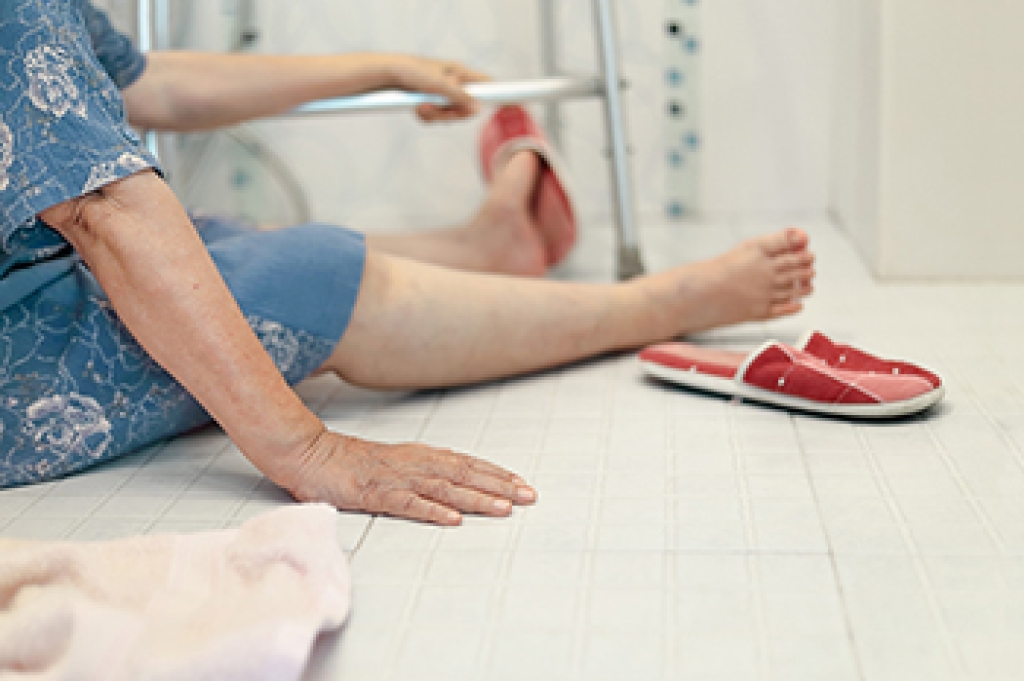
Ways to Help Prevent Falling

Studies show that falling is the No. 1 cause of injury-related deaths in people ages 65 and older. Experts believe that it may be possible to help prevent falling by addressing three concerns. They are weak stabilizer muscles, poor core strength, and balance problems. Strengthening stabilizer muscles in the hips and core muscles in the abdomen improves the ability to stand up and move. Balance, reflexes and coordination diminish over time, which makes it easier to trip and reduces the ability to catch yourself if you do. Staying active is a good way to prevent falling, as a sedentary lifestyle further weakens the muscles. Performing a series of exercises to rebuild the strength in weakened muscles can help. In addition, exercises to improve balance can help with stability. Falls also may be caused by other physical ailments, such as arthritis, peripheral neuropathy, and vision problems. Any of these conditions can further increase the risk of falling. For guidance and information on suitable methods to help prevent falls, it is suggested that you consult a podiatrist.

Preventing falls among the elderly is very important. If you are older and have fallen or fear that you are prone to falling, consult with Edward Orman, DPM from Honeygo Podiatry. Our doctor will assess your condition and provide you with quality advice and care.

Every 11 seconds, an elderly American is being treated in an emergency room for a fall related injury. Falls are the leading cause of head and hip injuries for those 65 and older. Due to decreases in strength, balance, senses, and lack of awareness, elderly persons are very susceptible to falling. Thankfully, there are a number of things older persons can do to prevent falls.

How to Prevent Falls

Some effective methods that older persons can do to prevent falls include:

  • Enrolling in strength and balance exercise program to increase balance and strength
  • Periodically having your sight and hearing checked
  • Discuss any medications you have with a doctor to see if it increases the risk of falling
  • Clearing the house of falling hazards and installing devices like grab bars and railings
  • Utilizing a walker or cane
  • Wearing shoes that provide good support and cushioning
  • Talking to family members about falling and increasing awareness

Falling can be a traumatic and embarrassing experience for elderly persons; this can make them less willing to leave the house, and less willing to talk to someone about their fears of falling. Doing such things, however, will increase the likelihood of tripping or losing one’s balance. Knowing the causes of falling and how to prevent them is the best way to mitigate the risk of serious injury.  

If you have any questions, please feel free to contact our offices located in Perry Hall, and Fallston, MD . We offer the newest diagnostic and treatment technologies for all your foot care needs.
Read more about Falls Prevention

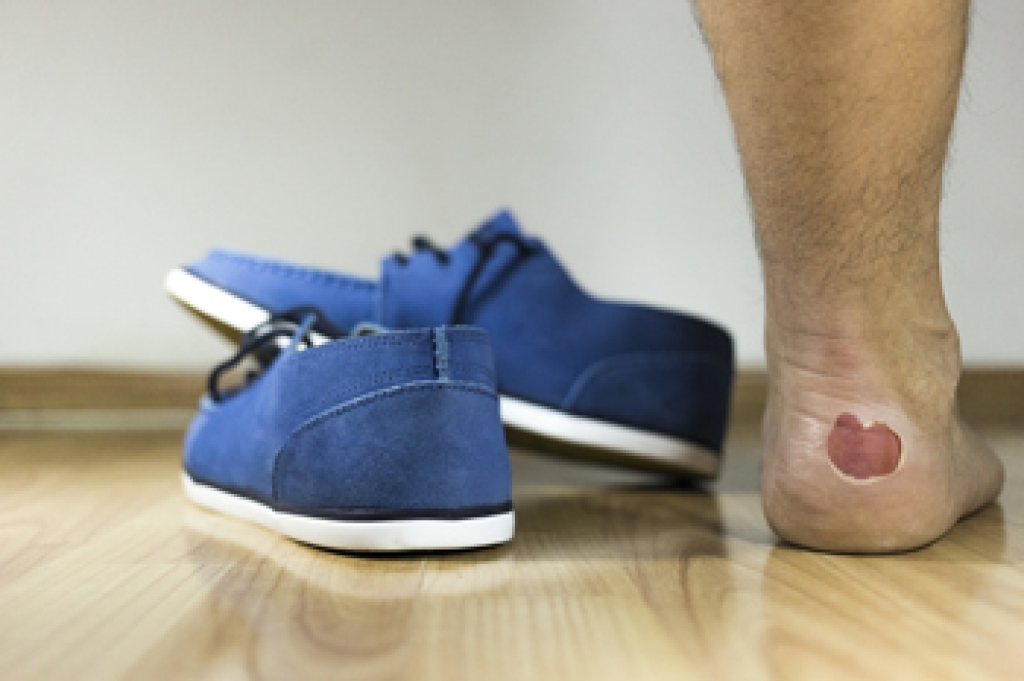
Heel Blisters

Sometimes, when an individual purchases a new pair of shoes and wears them for the first time, a blister can develop on the back of their heels where the material rubs up against the skin. Although blisters can sometimes be small, they can cause a person great discomfort and pain. Heel blisters form essentially because of the friction against the skin. This is why it is essential for individuals to ensure that they are purchasing footwear that fits correctly in the first place. Shoes ought to be spacious enough that the toes and heels have sufficient room. However, shoes should not be so big that the feet ultimately fall out of the shoes. If you are someone that is currently struggling with blisters, it is suggested that you schedule an appointment with a podiatrist today about any potential treatment and prevention plans.

Blisters are prone to making everyday activities extremely uncomfortable. If your feet are hurting, contact Edward Orman, DPM of Honeygo Podiatry. Our doctor can provide the care you need to keep you pain-free and on your feet.

Foot Blisters

Foot blisters develop as a result of constantly wearing tight or ill-fitting footwear. This happens due to the constant rubbing from the shoe, which can often lead to pain.

What Are Foot Blisters?

A foot blister is a small fluid-filled pocket that forms on the upper-most layer of the skin. Blisters are filled with clear fluid and can lead to blood drainage or pus if the area becomes infected.

How Do Blisters Form?

Blisters on the feet are often the result of constant friction of skin and material, usually by shoe rubbing. Walking in sandals, boots, or shoes that don’t fit properly for long periods of time can result in a blister. Having consistent foot moisture and humidity can easily lead to blister formation.

Prevention & Treatment

It is important to properly care for the affected area in order to prevent infection and ease the pain. Do not lance the blister and use a Band-Aid to provide pain relief. Also, be sure to keep your feet dry and wear proper fitting shoes. If you see blood or pus in a blister, seek assistance from a podiatrist.

If you have any questions, please feel free to contact our offices located in Perry Hall, and Fallston, MD . We offer the newest diagnostic and treatment technologies for all your foot care needs.
Read more about Blisters on the Feet

How Did I Get Gout?

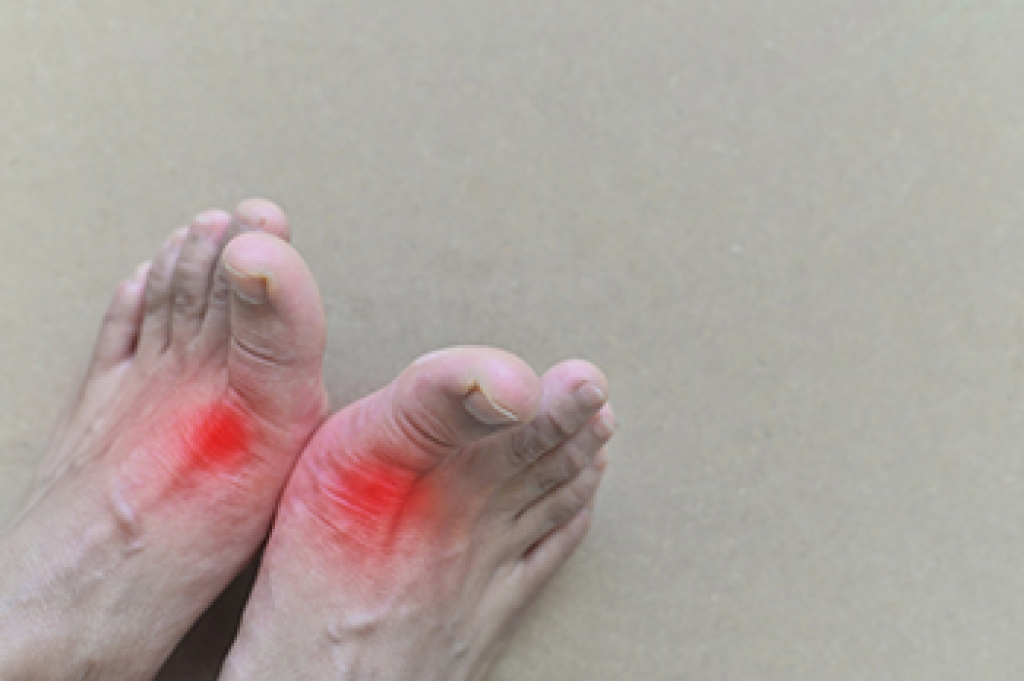
Gout is a type of arthritis and can be uncomfortable. Gout generally affects the joints in the big toe and can cause debilitating pain. Additional symptoms can consist of swelling, redness, and the affected joints can feel hot. A condition that is known as hyperuricemia is defined as having excess uric acid in the body. This may happen from genetic reasons, or from eating foods that have high levels of purines. These types of foods can include shellfish, red meat, and drinks that are made with large amounts of sugar. Gout is more prevalent among males, and it may affect women who are postmenopausal. It can also develop in people who are diabetic, have congestive heart failure, or have high blood pressure. It is helpful to implement prevention strategies that can consist of eating healthy foods, engaging in a gentle exercise routine, and drinking plenty of water daily. If you have had one or more gout attacks, it is strongly suggested that you are under the care of a podiatrist who can help you to manage it and offer additional prevention techniques.

Gout is a foot condition that requires certain treatment and care. If you are seeking treatment, contact Edward Orman, DPM from Honeygo Podiatry. Our doctor will treat your foot and ankle needs.

What Is Gout?

Gout is a type of arthritis caused by a buildup of uric acid in the bloodstream. It often develops in the foot, especially the big toe area, although it can manifest in other parts of the body as well. Gout can make walking and standing very painful and is especially common in diabetics and the obese.

People typically get gout because of a poor diet. Genetic predisposition is also a factor. The children of parents who have had gout frequently have a chance of developing it themselves.

Gout can easily be identified by redness and inflammation of the big toe and the surrounding areas of the foot. Other symptoms include extreme fatigue, joint pain, and running high fevers. Sometimes corticosteroid drugs can be prescribed to treat gout, but the best way to combat this disease is to get more exercise and eat a better diet.

If you have any questions, please feel free to contact our offices located in Perry Hall, and Fallston, MD . We offer the newest diagnostic and treatment technologies for all your foot care needs.
Read more about Everything You Need to Know About Gout

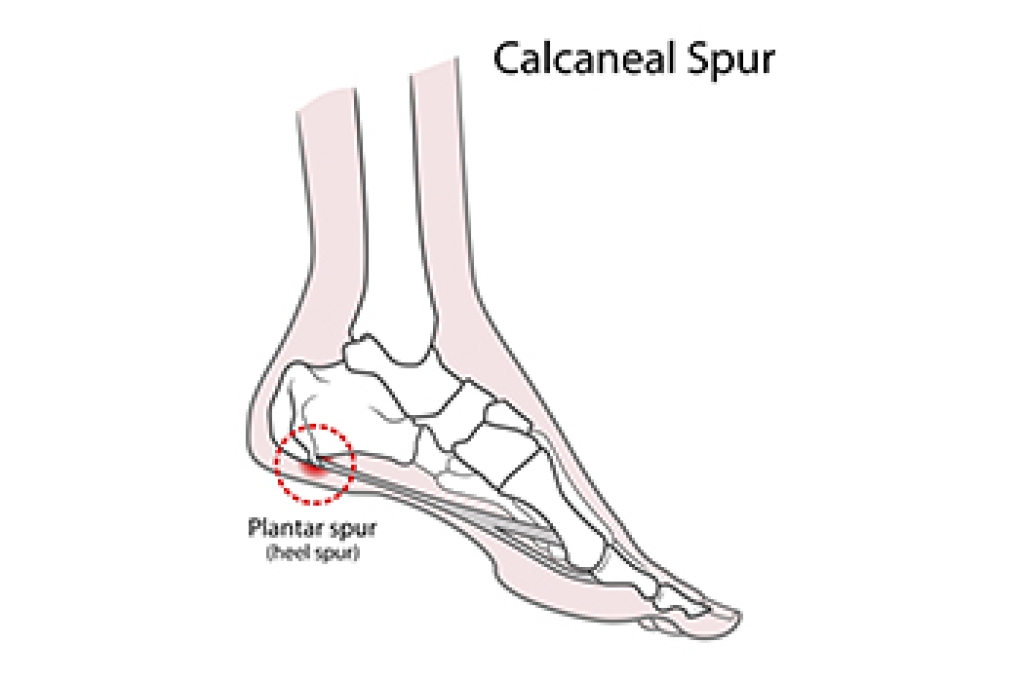
Reasons a Heel Spur Can Develop

Heel pain is the main symptom when a heel spur develops. It is defined as a bony growth that forms on the bottom of the heel and can measure up to an inch in length. This calcium deposit generally begins in the front of the heel and may spread to other areas of the foot if medical attention is not received. Some of the symptoms that are associated with heel spurs can include inflammation of the heel and ankle, and there is often pain while walking or running. Athletes and runners put pressure on the heel pads, possibly causing them to gradually wear down. A heel spur can be created from this, and activity may have to be temporarily stopped. People who are obese may be prone to developing heel spurs, which is a result of the added weight the body carries. If you have heel pain, it is suggested that you consult a podiatrist who can diagnose a heel spur, and guide you toward correct treatment methods.

Heel spurs can be incredibly painful and sometimes may make you unable to participate in physical activities. To get medical care for your heel spurs, contact Edward Orman, DPM from Honeygo Podiatry. Our doctor will do everything possible to treat your condition.

Heels Spurs

Heel spurs are formed by calcium deposits on the back of the foot where the heel is. This can also be caused by small fragments of bone breaking off one section of the foot, attaching onto the back of the foot. Heel spurs can also be bone growth on the back of the foot and may grow in the direction of the arch of the foot.

Older individuals usually suffer from heel spurs and pain sometimes intensifies with age. One of the main condition's spurs are related to is plantar fasciitis.

Pain

The pain associated with spurs is often because of weight placed on the feet. When someone is walking, their entire weight is concentrated on the feet. Bone spurs then have the tendency to affect other bones and tissues around the foot. As the pain continues, the feet will become tender and sensitive over time.

Treatments

There are many ways to treat heel spurs. If one is suffering from heel spurs in conjunction with pain, there are several methods for healing. Medication, surgery, and herbal care are some options.

If you have any questions, please feel free to contact our offices located in Perry Hall, and Fallston, MD . We offer the newest diagnostic and treatment technologies for all your foot care needs.

Read more about Heel Spurs

Various Types of Bunion Surgery

A bunion is a bony lump that forms on the side of the big toe. It can become larger, and cause the other toes to move toward each other. Patients who have bunions and find difficulty in completing daily activities may choose to have bunion surgery performed. A bunion can be caused by genetic reasons, or from frequently wearing shoes that are too tight. Foot surgery may be considered, which may be successful in removing the bunion. This is referred to as a bunionectomy, and can be chosen if pain relief is not obtained from nonsurgical methods. After local anesthesia is administered, the podiatrist can determine which type of bunion surgery is best for you. When the joint in the big toe is cut and realigned, this is referred to as an osteotomy. An exostectomy is defined as surgery that removes the bunion and the toe is not aligned. When the deformity is corrected by using metal places or screws, this type of bunion surgery is known as an arthrodesis. If you have a bunion, and are considering surgery, it is strongly suggested that you are under the care of a podiatrist who can determine which type of foot surgery is correct for you.

Foot surgery is sometimes necessary to treat a foot ailment. To learn more, contact Edward Orman, DPM of Honeygo Podiatry. Our doctor will assist you with all of your foot and ankle needs.

When Is Surgery Necessary?

Foot and ankle surgery is generally reserved for cases in which less invasive, conservative procedures have failed to alleviate the problem. Some of the cases in which surgery may be necessary include:

  • Removing foot deformities like bunions and bone spurs
  • Severe arthritis that has caused bone issues
  • Cosmetic reconstruction

What Types of Surgery Are There?

The type of surgery you receive will depend on the nature of the problem you have. Some of the possible surgeries include:

  • Bunionectomy for painful bunions
  • Surgical fusion for realignment of bones
  • Neuropathy decompression surgery to treat nerve damage

Benefits of Surgery

Although surgery is usually a last resort, it can provide more complete pain relief compared to non-surgical methods and may allow you to finally resume full activity.

Surgical techniques have also become increasingly sophisticated. Techniques like endoscopic surgery allow for smaller incisions and faster recovery times.

If you have any questions, please feel free to contact our offices located in Perry Hall, and Fallston, MD . We offer the newest diagnostic and treatment technologies for all your foot care needs.

Read more about Foot Surgery

Connect With Us

scroll to top