Common Toenail Problems and Their Causes

Toenail problems can indicate underlying health issues, with several distinct conditions affecting the nails. Beau's lines are horizontal indentations that can occur when growth is temporarily disrupted by illness, injury, or stress. Clubbing refers to a rounding of the toenails and fingertips, often associated with lung or heart disease. Green nail syndrome is a bacterial infection caused by Pseudomonas bacteria, leading to a green discoloration of the nail. Koilonychia, also known as spoon nails, causes nails to become thin and concave, potentially linked to iron deficiency anemia. Additionally, median nail dystrophy is a condition where the nails develop vertical grooves or splits, which may be a result of trauma or skin conditions. These toenail problems should not be ignored, as they may be a sign of nutritional deficiencies, infections, or systemic health conditions that require attention. If you have any of these toenail conditions, it is suggested that you consult a podiatrist who can offer effective treatment remedies.

Toe pain can disrupt your daily activities. If you have any concerns, contact Edward Orman, DPM of Honeygo Podiatry. Our doctor can provide the care you need to keep you pain-free and on your feet.

What Causes Toe Pain?

Most severe toe pain is caused due to a sports injury, trauma from dropping something heavy on the toe, or bumping into something rigid. Other problems can develop over time for various reasons.

Toe pain can be caused by one or more ailments. The most common include:

  • Trauma
  • Sports injury
  • Wearing shoes that are too tight
  • Arthritis
  • Gout
  • Corns and calluses
  • Hammertoe
  • Bunions
  • Blisters
  • Ingrown toenails
  • Sprains
  • Fractures (broken bones)
  • Dislocations

When to See a Podiatrist

  • Severe pain
  • Persistent pain that lasts more than a week
  • Signs of infection
  • Continued swelling
  • Pain that prevents walking

Diagnosis

In many cases the cause of toe pain is obvious, but in others, a podiatrist may want to use more advanced methods to determine the problem. These can range from simple visual inspections and sensation tests to X-rays and MRI scans. Prior medical history, family medical history, and any recent physical traumatic events will all be taken into consideration for a proper diagnosis.

Treatment

Treatments for toe pain and injuries vary and may include shoe inserts, padding, taping, medicines, injections, and in some cases, surgery. If you believe that you have broken a toe, please see a podiatrist as soon as possible.

If you have any questions please contact our offices located in Perry Hall, and Fallston, MD . We offer the newest diagnostic and treatment technologies for all your foot and ankle needs.


Read more about Toe Pain

We Can Treat Your Foot or Ankle Pain

Foot or ankle pain can negatively affect your day-to-day life and can occur due to several different conditions. Pain can also be an indicator of a more serious underlying condition, which is why you should seek professional help as soon as you notice any abnormalities in your feet.

Common Causes of Foot Pain

Foot pain can result from various factors that place stress on the muscles, joints, and ligaments. Aging naturally weakens the feet, reducing flexibility and cushioning, which can lead to discomfort during movement. Excess body weight increases pressure on the feet, contributing to conditions like plantar fasciitis and joint pain. Standing for long periods of time without proper support strains the arches and causes fatigue. Wearing shoes that do not fit properly, whether too tight or lacking support, can lead to blisters, calluses, and misalignment. Foot deformities such as bunions, hammertoes, or flat feet can create imbalance and pain with every step. If you have foot pain, it is suggested that you consult a podiatrist who can determine what the cause is, and offer appropriate relief and treatment solutions.

Foot Pain

Foot pain can be extremely painful and debilitating. If you have a foot pain, consult with Edward Orman, DPM from Honeygo Podiatry. Our doctor will assess your condition and provide you with quality foot and ankle treatment.

Causes

Foot pain is a very broad condition that could be caused by one or more ailments. The most common include:

  • Bunions
  • Hammertoes
  • Plantar Fasciitis
  • Bone Spurs
  • Corns
  • Tarsal Tunnel Syndrome
  • Ingrown Toenails
  • Arthritis (such as Gout, Rheumatoid, and Osteoarthritis)
  • Flat Feet
  • Injury (from stress fractures, broken toe, foot, ankle, Achilles tendon ruptures, and sprains)
  • And more

Diagnosis

To figure out the cause of foot pain, podiatrists utilize several different methods. This can range from simple visual inspections and sensation tests to X-rays and MRI scans. Prior medical history, family medical history, and any recent physical traumatic events will all be taken into consideration for a proper diagnosis.

Treatment

Treatment depends upon the cause of the foot pain. Whether it is resting, staying off the foot, or having surgery; podiatrists have a number of treatment options available for foot pain.

If you have any questions, please feel free to contact our offices located in Perry Hall, and Fallston, MD . We offer the newest diagnostic and treatment technologies for all your foot care needs.

Read more about Foot Pain

Understanding Different Types of Orthotics

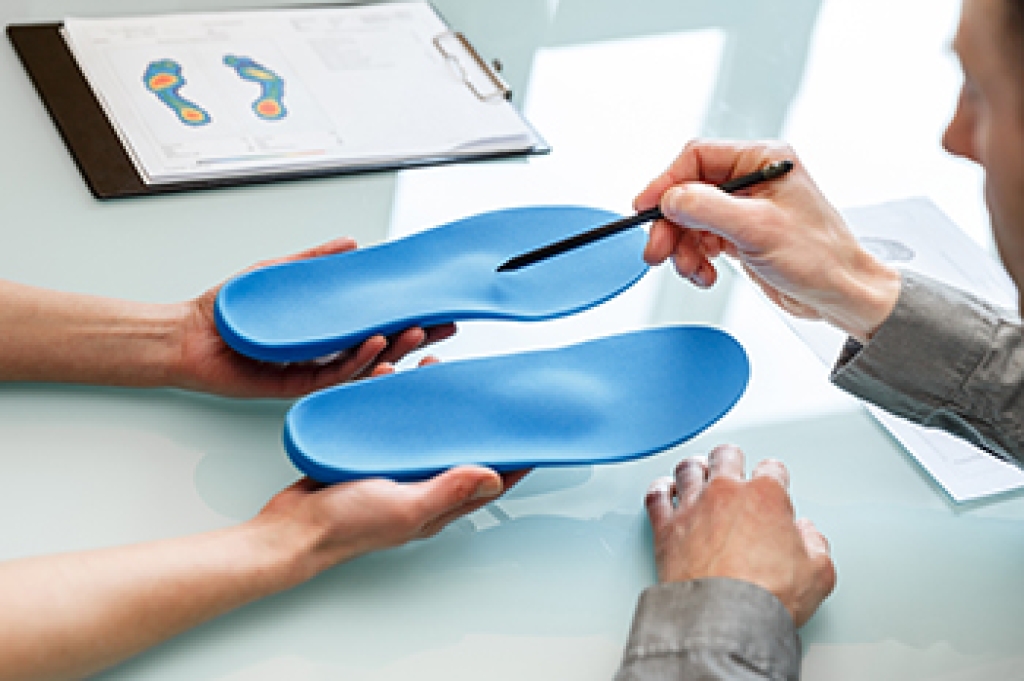
Orthotics come in three main types, each offering different levels of support and customization. Off-the-shelf, or OTS insoles, are mass-produced and provide cushioning and mild correction but may not address specific biomechanical issues. Functional foot orthoses, FFOs, are semi-custom devices made from durable materials like plastic or graphite, improving foot alignment and redistributing pressure to help with conditions like plantar fasciitis or overpronation. Custom-molded total contact insoles, TCIs, offer the highest level of customization, crafted from a detailed mold of the foot to ensure maximum contact and even weight distribution. They are ideal for individuals with diabetes, severe deformities, or chronic pain. Choosing the right type of orthotic depends on foot structure, medical conditions, and activity level. For the best results, it is suggested that you consult a podiatrist to determine which orthotic is best suited to your needs.

If you are having discomfort in your feet and would like to try orthotics, contact Edward Orman, DPM from Honeygo Podiatry. Our doctor can provide the care you need to keep you pain-free and on your feet.

What Are Orthotics?

Orthotics are inserts you can place into your shoes to help with a variety of foot problems such as flat feet or foot pain. Orthotics provide relief and comfort for minor foot and heel pain but can’t correct serious biomechanical problems in your feet.

Over-the-Counter Inserts

Orthotics come in a wide variety of over-the-counter inserts that are used to treat foot pain, heel pain, and minor problems. For example, arch supports can be inserted into your shoes to help correct overarched or flat feet, while gel insoles are often used because they provide comfort and relief from foot and heel pain by alleviating pressure.

Prescription Orthotics

If over-the-counter inserts don’t work for you or if you have a more severe foot concern, it is possible to have your podiatrist prescribe custom orthotics. These high-quality inserts are designed to treat problems such as abnormal motion, plantar fasciitis, and severe forms of heel pain. They can even be used to help patients suffering from diabetes by treating foot ulcers and painful calluses and are usually molded to your feet individually, which allows them to provide full support and comfort.

If you are experiencing minor to severe foot or heel pain, it’s recommended to speak with your podiatrist about the possibilities of using orthotics. A podiatrist can determine which type of orthotic is right for you and allow you to take the first steps towards being pain-free.

If you have any questions, please feel free to contact our offices located in Perry Hall, and Fallston, MD . We offer the newest diagnostic and treatment technologies for all your foot care needs.

Read more about Ankle Foot Orthotics for Athletes

Definition and Causes of Plantar Warts

Plantar warts are small, rough growths that appear on the bottom of the feet, often on the heels or the balls of the feet. These warts are caused by the human papillomavirus, or HPV, which enters the skin through tiny cuts or breaks. The virus thrives in warm, moist environments, making public places like swimming pools or locker rooms common areas for infection. One of the most noticeable signs of plantar warts is the development of hard, thickened areas of skin, often with tiny black dots in the center, which are clogged blood vessels. The warts can cause discomfort, especially when pressure is applied, making walking or standing painful. In some cases, they may grow in clusters, which are called mosaic warts. If you have a plantar wart, it is suggested that you promptly schedule an appointment with a podiatrist who can offer effective treatment solutions, which may include removal for permanent relief.

Plantar warts can be very uncomfortable. If you need your feet checked, contact Edward Orman, DPM from Honeygo Podiatry. Our doctor will assist you with all of your foot and ankle needs.

About Plantar Warts

Plantar warts are the result of HPV, or human papillomavirus, getting into open wounds on the feet. They are mostly found on the heels or balls of the feet.

While plantar warts are generally harmless, those experiencing excessive pain or those suffering from diabetes or a compromised immune system require immediate medical care. Plantar warts are easily diagnosed, usually through scraping off a bit of rough skin or by getting a biopsy.

Symptoms

  • Lesions on the bottom of your feet, usually rough and grainy
  • Hard or thick callused spots
  • Wart seeds, which are small clotted blood vessels that look like little black spots
  • Pain, discomfort, or tenderness of your feet when walking or standing

Treatment

  • Freezing
  • Electric tool removal
  • Laser Treatment
  • Topical Creams (prescription only)
  • Over-the-counter medications

To help prevent developing plantar warts, avoid walking barefoot over abrasive surfaces that can cause cuts or wounds for HPV to get into. Avoiding direct contact with other warts, as well as not picking or rubbing existing warts, can help prevent the further spread of plantar warts. However, if you think you have developed plantar warts, speak to your podiatrist. He or she can diagnose the warts on your feet and recommend the appropriate treatment options.

If you have any questions, please feel free to contact our offices located in Perry Hall, and Fallston, MD . We offer the newest diagnostic and treatment technologies for all your foot care needs.

Read more about Plantar Warts

Connect With Us

scroll to top