What Is Toenail Fungus and How Is It Treated?

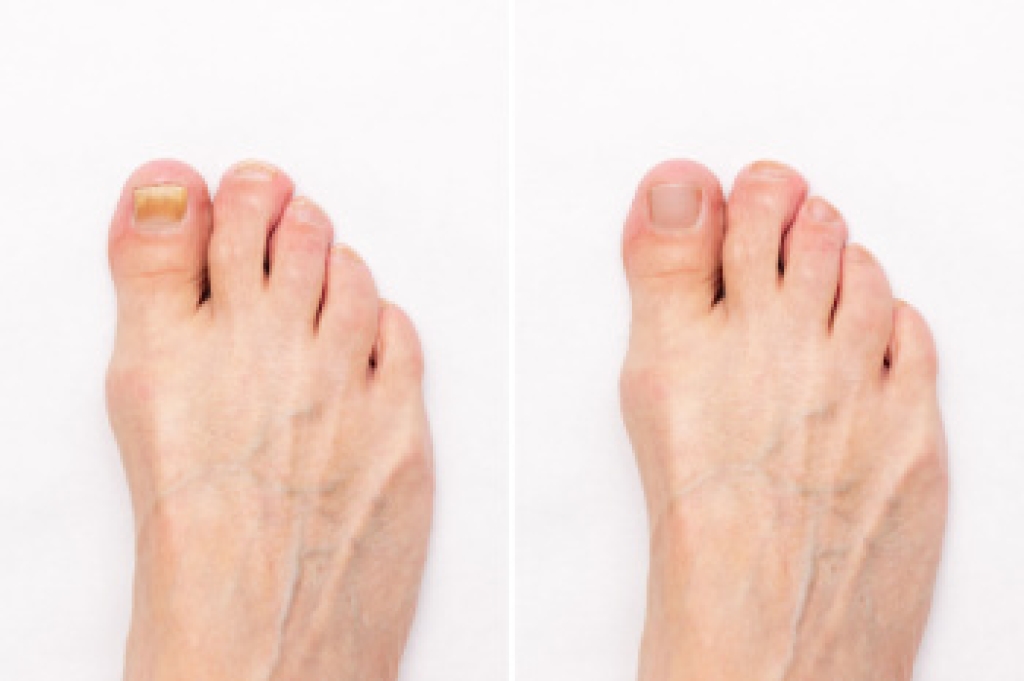
Toenail fungus, medically termed onychomycosis, is a fungal infection that commonly affects the toenails. It is typically caused by dermatophytes, which are fungi that thrive in warm and moist environments like sweaty shoes or public swimming pools. When these fungi invade the toenail bed, they can cause discoloration, thickening, and crumbling of the nail. Symptoms may include yellowing or darkening of the nail, a distorted shape, and a foul odor. Certain factors increase the risk of developing toenail fungus. Among them are age, poor circulation, weakened immune system, and frequent exposure to moist environments. Common types of fungal infections include distal subungual onychomycosis, white superficial onychomycosis, proximal subungual onychomycosis, and candida onychomycosis. Treatment typically involves prescribed antifungal medications, either topical or oral, depending on the severity of the infection. In severe cases, surgical removal of the nail may be necessary. If you think you have toenail fungus, it is suggested that you schedule an appointment with a podiatrist for a proper diagnosis and treatment at your earliest convenience.

Athlete’s foot is an inconvenient condition that can be easily reduced with the proper treatment. If you have any concerns about your feet and ankles, contact Edward Orman, DPM from Honeygo Podiatry.  Our doctor will treat your foot and ankle needs.

Athlete’s Foot: The Sole Story

Athlete's foot, also known as tinea pedis, can be an extremely contagious foot infection. It is commonly contracted in public changing areas and bathrooms, dormitory style living quarters, around locker rooms and public swimming pools, or anywhere your feet often come into contact with other people.

Solutions to Combat Athlete’s Foot

  • Hydrate your feet by using lotion
  • Exfoliate
  • Buff off nails
  • Use of anti-fungal products
  • Examine your feet and visit your doctor if any suspicious blisters or cuts develop

Athlete’s foot can cause many irritating symptoms such as dry and flaking skin, itching, and redness. Some more severe symptoms can include bleeding and cracked skin, intense itching and burning, and even pain when walking. In the worst cases, Athlete’s foot can cause blistering as well. Speak to your podiatrist for a better understanding of the different causes of Athlete’s foot, as well as help in determining which treatment options are best for you.

If you have any questions please feel free to contact our offices located in Perry Hall, and Fallston, MD . We offer the newest diagnostic and treatment technologies for all your foot and ankle needs.

Read more about Athlete's Foot

Various Types of Toenail Fungus

Toenail fungus, medically known as onychomycosis, encompasses several distinct types, each presenting unique characteristics and symptoms. The most common form is distal subungual onychomycosis, which typically begins as a yellow or white spot beneath the tip of the nail and gradually spreads deeper into the nail bed. Proximal subungual onychomycosis affects the base of the nail and is often seen in individuals with compromised immune systems. White superficial onychomycosis manifests as white spots on the surface of the nail, which can gradually expand. Candida onychomycosis is caused by yeast and can affect both fingernails and toenails, often leading to thick, discolored nails. Finally, total dystrophic onychomycosis results in complete nail destruction, characterized by thickening, discoloration, and crumbling of the nail plate. Recognizing the type of toenail fungus is essential for effective treatment. If you have toenail fungus, it is strongly suggested that you are under the care of a podiatrist who can accurately diagnose which type it is, and offer the treatment method that is right for you.

For more information about treatment, contact Edward Orman, DPM of Honeygo Podiatry. Our doctor can provide the care you need to keep you pain-free and on your feet.

Toenail Fungus Treatment

Toenail fungus is a condition that affects many people and can be especially hard to get rid of. Fortunately, there are several methods to go about treating and avoiding it.

Antifungals & Deterrence

Oral antifungal medicine has been shown to be effective in many cases. It is important to consult with a podiatrist to determine the proper regiment for you, or potentially explore other options.

Applying foot powder on the feet and shoes helps keep the feet free of moisture and sweat.

Sandals or open toed shoes – Wearing these will allow air movement and help keep feet dry. They also expose your feet to light, which fungus cannot tolerate. Socks with moisture wicking material also help as well.

If you have any questions please contact our offices located in Perry Hall, and Fallston, MD . We offer the newest diagnostic and treatment technologies for all your foot and ankle needs.

Read more about Toenail Fungus

Peripheral Neuropathy and Its Impact on the Feet

Peripheral neuropathy is a condition characterized by damage to the nerves outside the brain and spinal cord. It often results in such symptoms as numbness, tingling, and weakness in the extremities. When it affects the feet, peripheral neuropathy can negatively impact mobility and quality of life. The nerves responsible for sensation and motor function in the feet may become impaired, leading to loss of sensation, burning pain, or hypersensitivity. These symptoms can make it challenging to walk or perform daily activities. Additionally, peripheral neuropathy can cause complications, such as foot ulcers and infections, particularly in individuals with diabetes. Regular foot care and monitoring are essential for preventing serious complications. Managing underlying conditions and adopting lifestyle changes, such as maintaining optimal blood sugar levels and wearing supportive footwear, can help alleviate symptoms and improve overall foot health for individuals with peripheral neuropathy. If you have this condition and your feet are affected, it is suggested that you are under the care of a podiatrist who can help you manage peripheral neuropathy.

Neuropathy

Neuropathy can be a potentially serious condition, especially if it is left undiagnosed. If you have any concerns that you may be experiencing nerve loss in your feet, consult with Edward Orman, DPM from Honeygo Podiatry. Our doctor will assess your condition and provide you with quality foot and ankle treatment for neuropathy.

What Is Neuropathy?

Neuropathy is a condition that leads to damage to the nerves in the body. Peripheral neuropathy, or neuropathy that affects your peripheral nervous system, usually occurs in the feet. Neuropathy can be triggered by a number of different causes. Such causes include diabetes, infections, cancers, disorders, and toxic substances.

Symptoms of Neuropathy Include:

  • Numbness
  • Sensation loss
  • Prickling and tingling sensations
  • Throbbing, freezing, burning pains
  • Muscle weakness

Those with diabetes are at serious risk due to being unable to feel an ulcer on their feet. Diabetics usually also suffer from poor blood circulation. This can lead to the wound not healing, infections occurring, and the limb may have to be amputated.

Treatment

To treat neuropathy in the foot, podiatrists will first diagnose the cause of the neuropathy. Figuring out the underlying cause of the neuropathy will allow the podiatrist to prescribe the best treatment, whether it be caused by diabetes, toxic substance exposure, infection, etc. If the nerve has not died, then it’s possible that sensation may be able to return to the foot.

Pain medication may be issued for pain. Electrical nerve stimulation can be used to stimulate nerves. If the neuropathy is caused from pressure on the nerves, then surgery may be necessary.

If you have any questions, please feel free to contact our offices located in Perry Hall, and Fallston, MD . We offer the newest diagnostic and treatment technologies for all your foot care needs.

Read more about Neuropathy

Causes of Foot Stress Fractures

Foot stress fractures are a common yet often overlooked injury that can sideline individuals from their daily activities. These fractures occur when repetitive stress on the bones surpasses their ability to repair themselves, resulting in tiny cracks or breaks. Several factors contribute to the development of foot stress fractures, including overuse, sudden increases in physical activity, improper footwear, and biomechanical abnormalities. Runners, dancers, and athletes involved in high-impact sports are particularly susceptible to these types of fractures due to the repetitive stress placed on their feet. Additionally, factors such as poor bone density, nutritional deficiencies, and hormonal imbalances can increase the risk of stress fractures. Symptoms of foot stress fractures include localized pain, swelling, and tenderness. It is beneficial to incorporate into your routine proper rest, adequate footwear, and training techniques that may help in preventing foot stress fractures. If you have endured this type of injury, it is suggested that you consult a podiatrist who can accurately diagnose and treat foot stress fractures.

Stress fractures occur when there is a tiny crack within a bone. To learn more, contact Edward Orman, DPM from Honeygo Podiatry. Our doctor can provide the care you need to keep you pain free and on your feet.

How Are They Caused?

Stress fractures are the result of repetitive force being placed on the bone. Since the lower leg and feet often carry most of the body’s weight, stress fractures are likely to occur in these areas. If you rush into a new exercise, you are more likely to develop a stress fracture since you are starting too much, too soon.  Pain resulting from stress fractures may go unnoticed at first, however it may start to worsen over time.

Risk Factors

  • Gender – They are more commonly found in women compared to men.
  • Foot Problems – People with unusual arches in their feet are more likely to develop stress fractures.
  • Certain Sports – Dancers, gymnasts, tennis players, runners, and basketball players are more likely to develop stress fractures.
  • Lack of Nutrients – A lack of vitamin D and calcium may weaken the bones and make you more prone to stress fractures
  • Weak Bones – Osteoporosis can weaken the bones therefore resulting in stress fractures

Stress fractures do not always heal properly, so it is important that you seek help from a podiatrist if you suspect you may have one. Ignoring your stress fracture may cause it to worsen, and you may develop chronic pain as well as additional fractures.

If you have any questions please contact our offices located in Perry Hall, and Fallston, MD . We offer the newest diagnostic and treatment technologies for all your foot and ankle needs.

Read more about Stress Fractures of the Foot and Ankle

Do You Suffer From Painful Feet?

Painful deformities, such as hammertoes, can be treated. Stop living with foot pain, and have beautiful feet again!

Common Areas of Foot Discomfort During Pregnancy

Pregnancy brings about a multitude of changes in a woman's body, including the feet. As the body undergoes hormonal shifts and weight gain, it is not uncommon for expectant mothers to experience foot pain and discomfort. One common area of foot pain during pregnancy is the arches, as the added weight can cause the arches to flatten, leading to strain and discomfort. Additionally, swelling of the feet and ankles, known as edema, is a prevalent issue, particularly in the later stages of pregnancy. This swelling can cause tightness and discomfort in various areas of the feet. Another common source of foot pain during pregnancy is the heels, as the increased weight and changes in posture can place extra pressure on the heel area, resulting in pain and tenderness. If you have foot pain during your pregnancy, it is suggested that you consult a podiatrist who can offer you relief tips during this transformative time.

Pregnant women with swollen feet can be treated with a variety of different methods that are readily available. For more information about other cures for swollen feet during pregnancy, consult with Edward Orman, DPM from Honeygo Podiatry. Our doctor will attend to all of your foot and ankle needs.

What Foot Problems Can Arise During Pregnancy?

One problem that can occur is overpronation, which occurs when the arch of the foot flattens and tends to roll inward.  This can cause pain and discomfort in your heels while you’re walking or even just standing up, trying to support your baby.  

Another problem is edema, or swelling in the extremities. This often affects the feet during pregnancy but tends to occur in the later stages. 

How Can I Keep My Feet Healthy During Pregnancy?

  • Wearing orthotics can provide extra support for the feet and help distribute weight evenly
  • Minimize the amount of time spent walking barefoot
  • Wear shoes with good arch support
  • Wear shoes that allow for good circulation to the feet
  • Elevate feet if you experience swelling
  • Massage your feet
  • Get regular, light exercise, such as walking, to promote blood circulation to the feet

If you have any questions, please feel free to contact our offices located in Perry Hall, and Fallston, MD . We offer the newest diagnostic and treatment technologies for all your foot care needs.

Read more about Foot Care for Pregnant Women

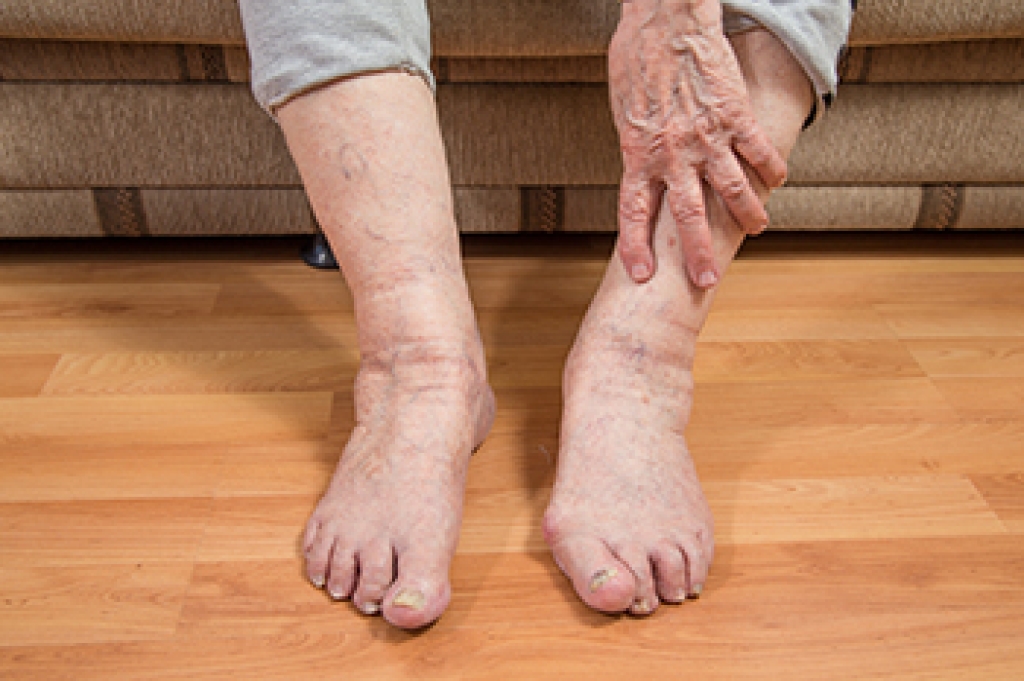
Telltale Signs of Aging Feet

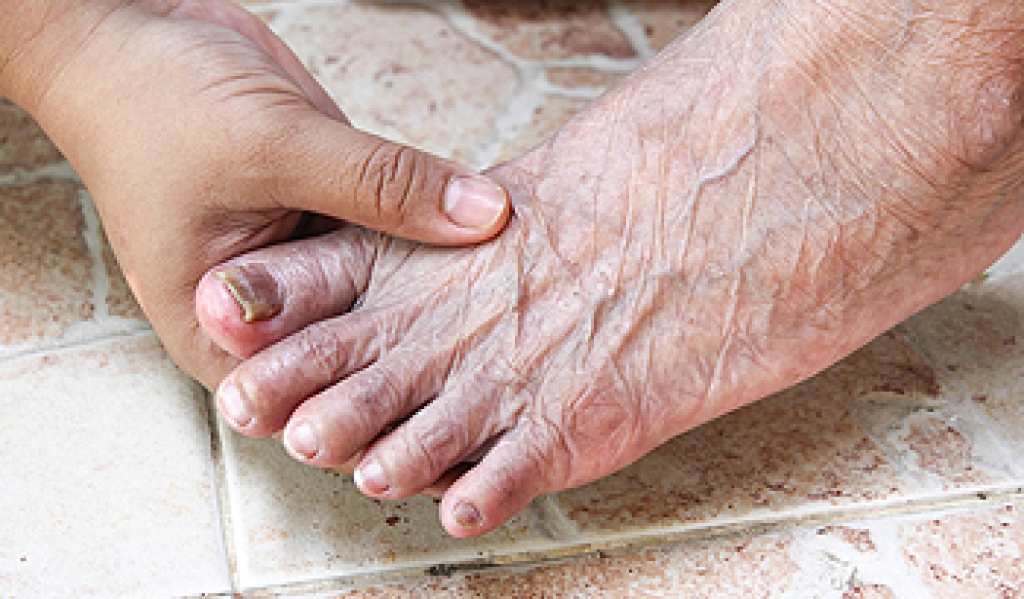
As we age, our feet undergo significant changes that may affect their appearance, function, and comfort. One of the most noticeable signs of aging feet is the development of wrinkles and thinning skin, which can result from decreased elasticity and collagen production. Additionally, the natural fat padding on the soles of the feet diminishes over time, leading to a loss of cushioning and increased susceptibility to pain and pressure. Other common signs include changes in toenail thickness and shape, as well as the formation of corns, calluses, and bunions due to years of wear and tear. Arthritic changes may also manifest in the form of stiffness, swelling, and joint deformities, making it more challenging to move and maintain balance. If you have encountered foot problems as you age, it is suggested that you confer with a podiatrist who can help you with effective remedies.

Proper foot care is something many older adults forget to consider. If you have any concerns about your feet and ankles, contact Edward Orman, DPM from Honeygo Podiatry. Our doctor can provide the care you need to keep you pain-free and on your feet.

The Elderly and Their Feet

As we age we start to notice many changes in our body, but the elder population may not notice them right away. Medical conditions may prevent the elderly to take notice of their foot health right away. Poor vision is a lead contributor to not taking action for the elderly.

Common Conditions 

  • Neuropathy – can reduce feeling in the feet and can hide many life-threatening medical conditions.
  • Reduced flexibility – prevents the ability of proper toenail trimming, and foot cleaning. If left untreated, it may lead to further medical issues.
  • Foot sores – amongst the older population can be serious before they are discovered. Some of the problematic conditions they may face are:
  • Gouging toenails affecting nearby toe
  • Shoes that don’t fit properly
  • Pressure sores
  • Loss of circulation in legs & feet
  • Edema & swelling of feet and ankles

Susceptible Infections

Diabetes and poor circulation can cause general loss of sensitivity over the years, turning a simple cut into a serious issue.

If you have any questions, please feel free to contact our offices located in Perry Hall, and Fallston, MD . We offer the newest diagnostic and treatment technologies for all your foot care needs.

Read more about Elderly and their Feet

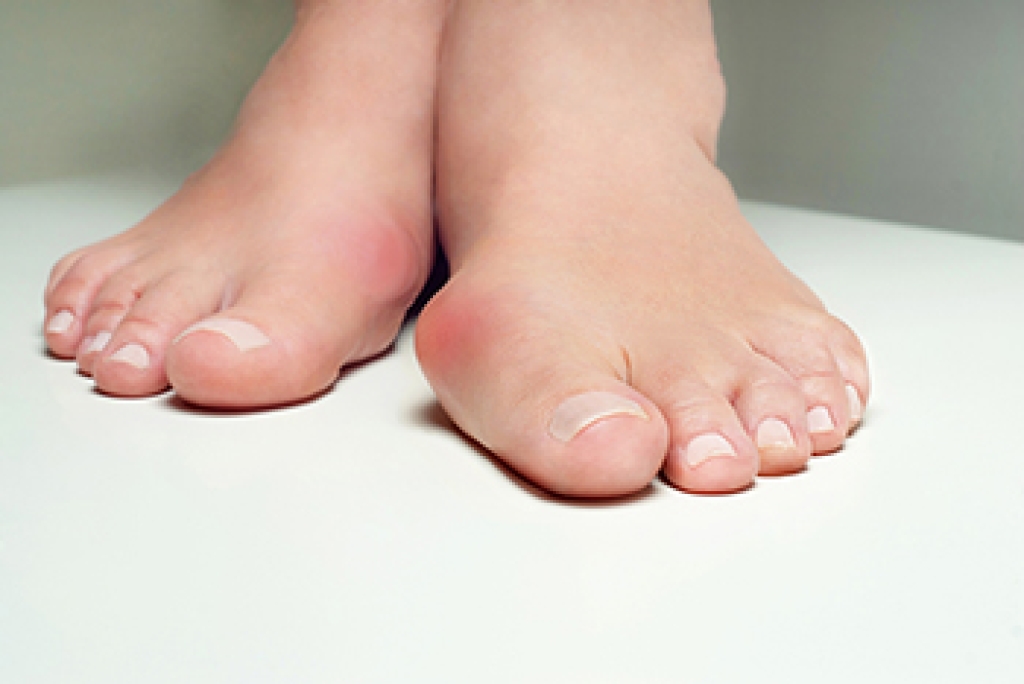
Identifying Signs of a Bunion

Bunions, a prevalent foot condition, present distinctive signs that warrant attention for timely intervention. Characterized by a bony bump at the base of the big toe, bunions often cause pain, swelling, and redness in the affected area. As the condition progresses, the big toe may gradually deviate toward the other toes, causing discomfort and difficulty finding comfortable footwear. Additionally, individuals with bunions may experience corns or calluses due to friction and pressure against the shoe. Bunions can impair mobility and lead to chronic foot problems if left untreated. Factors such as genetics, wearing ill-fitting shoes, and certain foot deformities contribute to the development of bunions. Moreover, conditions like arthritis may exacerbate bunion symptoms. Understanding the signs of a bunion is essential for maintaining foot health and enhancing overall quality of life. If you have developed a bunion, it is suggested that you consult a podiatrist who can offer you effective treatment options, which may include surgery for permanent removal.

If you are suffering from bunion pain, contact Edward Orman, DPM of Honeygo Podiatry. Our doctor can provide the care you need to keep you pain-free and on your feet.

What Is a Bunion?

Bunions are painful bony bumps that usually develop on the inside of the foot at the joint of the big toe. As the deformity increases over time, it may become painful to walk and wear shoes. Women are more likely to exacerbate existing bunions since they often wear tight, narrow shoes that shift their toes together. Bunion pain can be relieved by wearing wider shoes with enough room for the toes.

Causes

  • Genetics – some people inherit feet that are more prone to bunion development
  • Inflammatory Conditions - rheumatoid arthritis and polio may cause bunion development

Symptoms

  • Redness and inflammation
  • Pain and tenderness
  • Callus or corns on the bump
  • Restricted motion in the big toe

In order to diagnose your bunion, your podiatrist may ask about your medical history, symptoms, and general health. Your doctor might also order an x-ray to take a closer look at your feet. Nonsurgical treatment options include orthotics, padding, icing, changes in footwear, and medication. If nonsurgical treatments don’t alleviate your bunion pain, surgery may be necessary.

If you have any questions, please feel free to contact our offices located in Perry Hall, and Fallston, MD . We offer the newest diagnostic and treatment technologies for all your foot care needs.

Read more about Bunions

What Are Plantar Warts?

Plantar warts, though often considered benign, can be a source of discomfort and frustration for many individuals. Caused by the human papillomavirus, abbreviated HPV, these small, rough growths typically appear on the soles of the feet, particularly in areas subject to pressure and friction. They spread through direct contact with the virus, which thrives in warm, moist environments like communal showers and swimming pools. Despite their harmless nature, plantar warts can cause pain or tenderness, especially while walking or standing for prolonged periods. Prevention techniques can include practicing good foot hygiene and wearing protective footwear in shared spaces. This can help prevent the spread of plantar warts. If you have a plantar wart, it is suggested that you consult a podiatrist who can offer treatment and removal methods.

Plantar warts can be very uncomfortable. If you need your feet checked, contact Edward Orman, DPM from Honeygo Podiatry. Our doctor will assist you with all of your foot and ankle needs.

About Plantar Warts

Plantar warts are the result of HPV, or human papillomavirus, getting into open wounds on the feet. They are mostly found on the heels or balls of the feet.

While plantar warts are generally harmless, those experiencing excessive pain or those suffering from diabetes or a compromised immune system require immediate medical care. Plantar warts are easily diagnosed, usually through scraping off a bit of rough skin or by getting a biopsy.

Symptoms

  • Lesions on the bottom of your feet, usually rough and grainy
  • Hard or thick callused spots
  • Wart seeds, which are small clotted blood vessels that look like little black spots
  • Pain, discomfort, or tenderness of your feet when walking or standing

Treatment

  • Freezing
  • Electric tool removal
  • Laser Treatment
  • Topical Creams (prescription only)
  • Over-the-counter medications

To help prevent developing plantar warts, avoid walking barefoot over abrasive surfaces that can cause cuts or wounds for HPV to get into. Avoiding direct contact with other warts, as well as not picking or rubbing existing warts, can help prevent the further spread of plantar warts. However, if you think you have developed plantar warts, speak to your podiatrist. He or she can diagnose the warts on your feet and recommend the appropriate treatment options.

If you have any questions, please feel free to contact our offices located in Perry Hall, and Fallston, MD . We offer the newest diagnostic and treatment technologies for all your foot care needs.

Read more about All About Plantar Warts

The Science Behind Laser Treatment for Fungal Nails

Laser treatment for fungal nails has emerged as a promising solution for individuals seeking effective and non-invasive ways to combat stubborn nail infections. This innovative approach harnesses the power of concentrated light energy to target and destroy fungal organisms residing within the nail bed. During the procedure, the laser emits pulses of high-intensity light, penetrating the nail tissue to eradicate the fungal infection while leaving surrounding tissues unharmed. The laser energy works by heating the fungal cells to a temperature that effectively disrupts their structure and inhibits their ability to thrive and spread. Unlike traditional treatments such as topical antifungal medications or oral drugs, laser therapy offers several advantages, including minimal side effects and no risk of liver toxicity associated with oral medications. While multiple sessions may be required to achieve optimal results, many individuals experience significant improvement in nail appearance and reduction of fungal infection symptoms following laser treatment. If you have toenail fungus, it is suggested that you visit a podiatrist who can determine if laser treatment is right for you.

Laser treatment can be an effective way to get rid of toenail fungus. If you have any questions about laser treatment, consult with Edward Orman, DPM from Honeygo Podiatry. Our doctor will assess your condition and provide you with quality treatment for fungal nails.

What Are Toenail Fungal Infections?

Onychomycosis, or fungal infection of the nail, is a relatively common and non-serious condition. Around 10 percent of U.S. citizens are afflicted with fungal nails. Common forms of fungus that infect the nail include dermatophytes, yeasts, and molds.

Symptoms of Toenail Fungal Infections Include:

  • Nail thickening
  • Brittleness of the nail
  • Discoloration of the nail

Diagnosis for Fungal Nails

Fungal infections are diagnosed by fungal culture and microscopy. This will rule out any other conditions such as nail trauma, psoriasis, lichen planus, and onychogryphosis.

What Is Laser Treatment?

Laser treatment is a non-invasive, safe, quick, and painless procedure that uses the heat from a laser to kill fungus in the nail. Each infected nail is targeted with a laser for several minutes. The treatment is usually utilized several different times over a select period. During this time, a podiatrist will keep an eye on the infection.

If you have any questions, please feel free to contact our offices located in Perry Hall, and Fallston, MD . We offer the newest diagnostic and treatment technologies for all your foot care needs.

Read more about Laser Treatment for Fungal Nails

Connect With Us

scroll to top