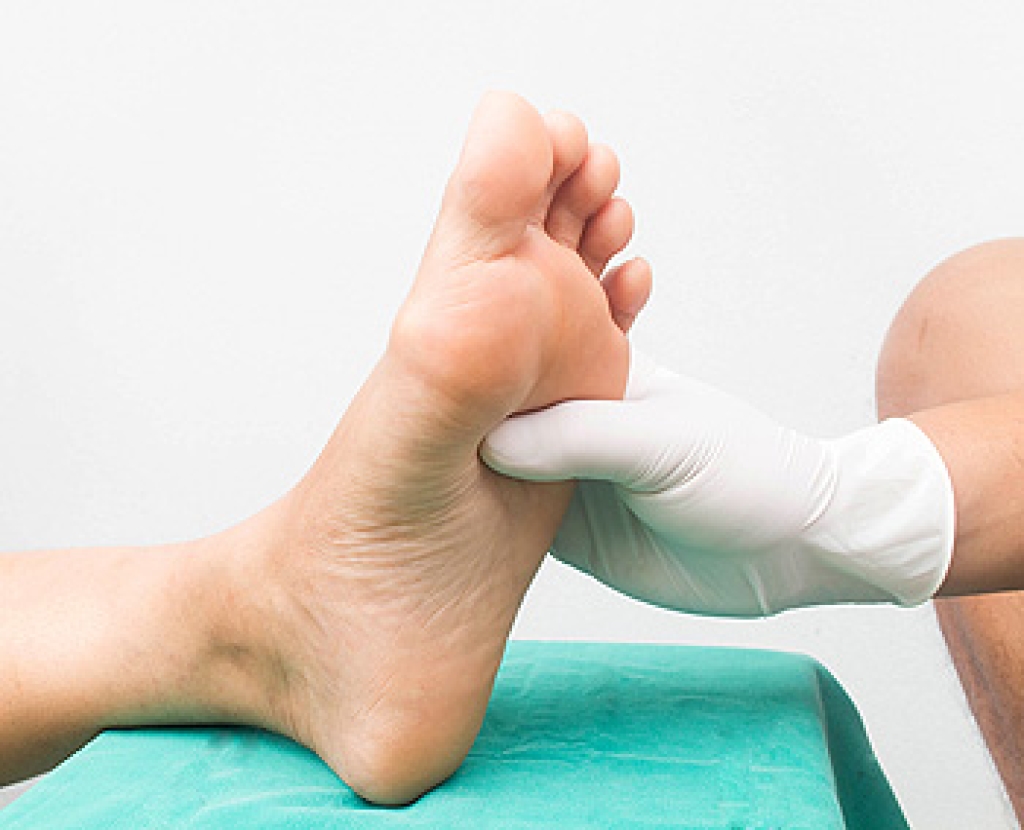
The body is full of nerves whose main job is to let us touch and feel, as well as to warn us of dangerous conditions. The peripheral nervous system contains nerves in the lower extremities. When these nerves become damaged, they are unable to signal the toes and feet when something goes wrong. This condition is known as peripheral neuropathy. Symptoms of peripheral neuropathy are numbness, pain, and weakness. Causes include excessive use of alcohol, certain types of medication, vitamin B12 deficiency, and heredity. Other causes are infections, such as shingles and Lyme disease, as well as tumors and diabetes. Many diabetics develop peripheral neuropathy, which leaves them unable to detect sores and cuts on the feet. If left unattended, a cut or sore may turn into a diabetic foot ulcer that can become gangrenous and endanger the limb itself. Such diabetic neuropathy is the result of maintaining high levels of blood sugar that damage the nerves serving the feet. If you are experiencing any level of neuropathy in the toes, feet, or ankles, it is suggested that you consult a podiatrist as soon as possible.
Neuropathy
Neuropathy can be a potentially serious condition, especially if it is left undiagnosed. If you have any concerns that you may be experiencing nerve loss in your feet, consult with Edward Orman, DPM from Honeygo Podiatry. Our doctor will assess your condition and provide you with quality foot and ankle treatment for neuropathy.
What Is Neuropathy?
Neuropathy is a condition that leads to damage to the nerves in the body. Peripheral neuropathy, or neuropathy that affects your peripheral nervous system, usually occurs in the feet. Neuropathy can be triggered by a number of different causes. Such causes include diabetes, infections, cancers, disorders, and toxic substances.
Symptoms of Neuropathy Include:
- Numbness
- Sensation loss
- Prickling and tingling sensations
- Throbbing, freezing, burning pains
- Muscle weakness
Those with diabetes are at serious risk due to being unable to feel an ulcer on their feet. Diabetics usually also suffer from poor blood circulation. This can lead to the wound not healing, infections occurring, and the limb may have to be amputated.
Treatment
To treat neuropathy in the foot, podiatrists will first diagnose the cause of the neuropathy. Figuring out the underlying cause of the neuropathy will allow the podiatrist to prescribe the best treatment, whether it be caused by diabetes, toxic substance exposure, infection, etc. If the nerve has not died, then it’s possible that sensation may be able to return to the foot.
Pain medication may be issued for pain. Electrical nerve stimulation can be used to stimulate nerves. If the neuropathy is caused from pressure on the nerves, then surgery may be necessary.
If you have any questions, please feel free to contact our offices located in Perry Hall, and Fallston, MD . We offer the newest diagnostic and treatment technologies for all your foot care needs.

