
Exploring the Causes of Burning Feet

Burning sensations on the bottom of the feet can arise from several underlying medical issues, including nerve damage and circulatory problems. Conditions such as peripheral neuropathy, often caused by diabetes, alcoholism, or vitamin deficiencies, also can lead to nerve hypersensitivity. This may result in persistent burning, numbness, and weakness. Poor blood flow linked to peripheral artery disease may also produce burning pain, especially during physical activity. Foot-specific conditions, including Morton’s neuroma, metatarsalgia, and tarsal tunnel syndrome can affect the nerves and soft tissues, causing intense discomfort. Infections like athlete’s foot or injuries such as fractures may provoke acute burning sensations. To determine the cause of burning foot pain a podiatrist can perform a detailed exam and order nerve conduction studies, blood tests, or imaging tests. Based on the diagnosis, treatment may involve medication, custom orthotics, or, in more advanced cases, surgery to alleviate nerve compression or restore circulation. If you experience the sensation of burning feet, it is suggested that you schedule an appointment with a podiatrist for a diagnosis and appropriate treatment.

Foot Pain

Foot pain can be extremely painful and debilitating. If you have a foot pain, consult with Edward Orman, DPM from Honeygo Podiatry. Our doctor will assess your condition and provide you with quality foot and ankle treatment.

Causes

Foot pain is a very broad condition that could be caused by one or more ailments. The most common include:

  • Bunions
  • Hammertoes
  • Plantar Fasciitis
  • Bone Spurs
  • Corns
  • Tarsal Tunnel Syndrome
  • Ingrown Toenails
  • Arthritis (such as Gout, Rheumatoid, and Osteoarthritis)
  • Flat Feet
  • Injury (from stress fractures, broken toe, foot, ankle, Achilles tendon ruptures, and sprains)
  • And more

Diagnosis

To figure out the cause of foot pain, podiatrists utilize several different methods. This can range from simple visual inspections and sensation tests to X-rays and MRI scans. Prior medical history, family medical history, and any recent physical traumatic events will all be taken into consideration for a proper diagnosis.

Treatment

Treatment depends upon the cause of the foot pain. Whether it is resting, staying off the foot, or having surgery; podiatrists have a number of treatment options available for foot pain.

If you have any questions, please feel free to contact our offices located in Perry Hall, and Fallston, MD . We offer the newest diagnostic and treatment technologies for all your foot care needs.


Read more about Foot Pain

Diabetic Foot Blisters

Diabetic foot blisters, or diabetic bullae, are a rare, but important concern for people with diabetes. These fluid-filled blisters usually appear on the feet and can form without injury, often overnight.  Although typically painless, they can become large and increase the risk of serious infection if not properly cared for. The exact cause is still unknown, but high blood sugar levels and diabetic neuropathy are thought to contribute. Blisters may heal on their own in a few weeks, but self-treatment can lead to complications. Infection, skin breakdown, and poor healing are real risks for diabetic patients. A podiatrist plays a key role in managing diabetic foot blisters. They can clean and protect the affected area, monitor for signs of infection, and provide foot care to prevent recurrence. Early treatment is key to avoiding more serious issues. If you have diabetic foot blisters, it is suggested that you schedule an appointment with a podiatrist for appropriate treatment.

Blisters are prone to making everyday activities extremely uncomfortable. If your feet are hurting, contact Edward Orman, DPM of Honeygo Podiatry. Our doctor can provide the care you need to keep you pain-free and on your feet.

Foot Blisters

Foot blisters develop as a result of constantly wearing tight or ill-fitting footwear. This happens due to the constant rubbing from the shoe, which can often lead to pain.

What Are Foot Blisters?

A foot blister is a small fluid-filled pocket that forms on the upper-most layer of the skin. Blisters are filled with clear fluid and can lead to blood drainage or pus if the area becomes infected.

How Do Blisters Form?

Blisters on the feet are often the result of constant friction of skin and material, usually by shoe rubbing. Walking in sandals, boots, or shoes that don’t fit properly for long periods of time can result in a blister. Having consistent foot moisture and humidity can easily lead to blister formation.

Prevention & Treatment

It is important to properly care for the affected area in order to prevent infection and ease the pain. Do not lance the blister and use a Band-Aid to provide pain relief. Also, be sure to keep your feet dry and wear proper fitting shoes. If you see blood or pus in a blister, seek assistance from a podiatrist.

If you have any questions, please feel free to contact our offices located in Perry Hall, and Fallston, MD . We offer the newest diagnostic and treatment technologies for all your foot care needs.
Read more about Blisters

Common Causes of Second Toe Pain

Second toe pain can result from several underlying conditions that place stress on the front of the foot. One frequent cause is capsulitis, which is the inflammation of the ligament capsule at the base of the second toe. This condition often leads to pain, swelling, and a sensation of instability. Bunions, which form at the base of the big toe, can also contribute by shifting pressure toward the second toe, causing discomfort and alignment changes. Another potential cause is metatarsalgia, a condition marked by inflammation and pain in the ball of the foot due to increased pressure on the metatarsal bones. If you have second toe pain, it is suggested that you consult a podiatrist who can offer relief and management tips.

Toe pain can disrupt your daily activities. If you have any concerns, contact Edward Orman, DPM of Honeygo Podiatry. Our doctor can provide the care you need to keep you pain-free and on your feet.

What Causes Toe Pain?

Most severe toe pain is caused due to a sports injury, trauma from dropping something heavy on the toe, or bumping into something rigid. Other problems can develop over time for various reasons.

Toe pain can be caused by one or more ailments. The most common include:

  • Trauma
  • Sports injury
  • Wearing shoes that are too tight
  • Arthritis
  • Gout
  • Corns and calluses
  • Hammertoe
  • Bunions
  • Blisters
  • Ingrown toenails
  • Sprains
  • Fractures (broken bones)
  • Dislocations

When to See a Podiatrist

  • Severe pain
  • Persistent pain that lasts more than a week
  • Signs of infection
  • Continued swelling
  • Pain that prevents walking

Diagnosis

In many cases the cause of toe pain is obvious, but in others, a podiatrist may want to use more advanced methods to determine the problem. These can range from simple visual inspections and sensation tests to X-rays and MRI scans. Prior medical history, family medical history, and any recent physical traumatic events will all be taken into consideration for a proper diagnosis.

Treatment

Treatments for toe pain and injuries vary and may include shoe inserts, padding, taping, medicines, injections, and in some cases, surgery. If you believe that you have broken a toe, please see a podiatrist as soon as possible.

If you have any questions please contact our offices located in Perry Hall, and Fallston, MD . We offer the newest diagnostic and treatment technologies for all your foot and ankle needs.

Read more about Toe Pain

Causes and Treatment of Toenail Fungus

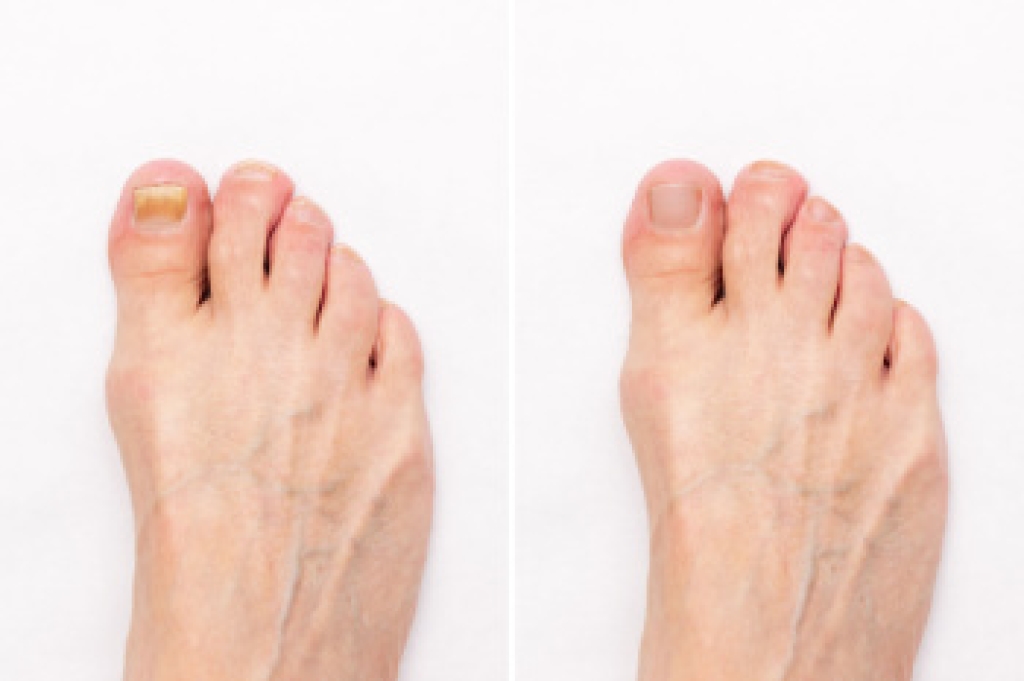
Toenail fungus is an infection that affects the toenail and the skin underneath it. It often causes the nail to become thick, yellow, and brittle, or to lift away from the nail bed. Fungal toenails are more common in older adults, especially those with diabetes, poor circulation, or a weakened immune system. Fungus grows well in warm, damp places like sweaty shoes. For that reason, people who wear tight or closed shoes for long hours or use shared shower areas may be more likely to be exposed. The infection usually starts slowly and can become worse over time if not treated. Because toenails grow slowly and have less blood flow than other parts of the body, treating a fungal nail infection can take several months. A podiatrist may prescribe oral medication to fight the infection from the inside, or use topical treatments for mild cases. In more serious situations, surgery to remove the damaged nail might be recommended. If you have been infected with a toenail fungus, it is suggested that you make an appointment with a podiatrist for treatment.

If left untreated, toenail fungus may spread to other toenails, skin, or even fingernails. If you suspect you have toenail fungus it is important to seek treatment right away. For more information about treatment, contact Edward Orman, DPM of Honeygo Podiatry. Our doctor can provide the care you need to keep you pain-free and on your feet.

Symptoms

  • Warped or oddly shaped nails
  • Yellowish nails
  • Loose/separated nail
  • Buildup of bits and pieces of nail fragments under the nail
  • Brittle, broken, thickened nail

Treatment

If self-care strategies and over-the-counter medications does not help your fungus, your podiatrist may give you a prescription drug instead. Even if you find relief from your toenail fungus symptoms, you may experience a repeat infection in the future.

Prevention

In order to prevent getting toenail fungus in the future, you should always make sure to wash your feet with soap and water. After washing, it is important to dry your feet thoroughly especially in between the toes. When trimming your toenails, be sure to trim straight across instead of in a rounded shape. It is crucial not to cover up discolored nails with nail polish because that will prevent your nail from being able to “breathe”.

In some cases, surgical procedure may be needed to remove the toenail fungus. Consult with your podiatrist about the best treatment options for your case of toenail fungus.  

If you have any questions please contact our offices located in Perry Hall, and Fallston, MD . We offer the newest diagnostic and treatment technologies for all your foot and ankle needs.

Read more about Treating Toenail Fungus

Symptoms and Risk Factors of Gout

Gout is a form of inflammatory arthritis that results from the buildup of uric acid crystals in the joints. It often causes sudden and severe pain, swelling, redness, and tenderness, and most commonly affects the big toe. The pain may start at night and can be intense enough to wake someone from sleep. Gout is accompanied by severe pain, causing difficulty in completing daily activities. Several factors increase the risk of developing gout. These include a diet high in red meat or seafood, excessive alcohol consumption, obesity, and certain health conditions such as hypertension or kidney disease. Genetics may also play a role. If you have pain in the joints of your feet, particularly the big toe, it is strongly suggested that you are under the care of a podiatrist who can diagnose gout and offer management options.

Gout is a painful condition that can be treated. If you are seeking treatment, contact Edward Orman, DPM from Honeygo Podiatry. Our doctor will treat your foot and ankle needs.

What Is Gout?

Gout is a form of arthritis that is characterized by sudden, severe attacks of pain, redness, and tenderness in the joints. The condition usually affects the joint at the base of the big toe. A gout attack can occur at any random time, such as the middle of the night while you are asleep.

Symptoms

  • Intense Joint Pain - Usually around the large joint of your big toe, and it most severe within the first four to twelve hours
  • Lingering Discomfort - Joint discomfort may last from a few days to a few weeks
  • Inflammation and Redness -Affected joints may become swollen, tender, warm and red
  • Limited Range of Motion - May experience a decrease in joint mobility

Risk Factors

  • Genetics - If family members have gout, you’re more likely to have it
  • Medications - Diuretic medications can raise uric acid levels
  • Gender/Age - Gout is more common in men until the age of 60. It is believed that estrogen protects women until that point
  • Diet - Eating red meat and shellfish increases your risk
  • Alcohol - Having more than two alcoholic drinks per day increases your risk
  • Obesity - Obese people are at a higher risk for gout

Prior to visiting your podiatrist to receive treatment for gout, there are a few things you should do beforehand. If you have gout you should write down your symptoms--including when they started and how often you experience them, important medical information you may have, and any questions you may have. Writing down these three things will help your podiatrist in assessing your specific situation so that he or she may provide the best route of treatment for you.

If you have any questions, please feel free to contact our offices located in Perry Hall, and Fallston, MD . We offer the newest diagnostic and treatment technologies for all your foot care needs.

Read more about Gout

Recovery Time for Ankle Sprains

Ankle sprains occur when the ligaments that support the ankle stretch too far or tear, often due to the sudden twisting or rolling of the foot. Recovery time for a sprained ankle varies depending on its severity. For instance, a mild ankle sprain, involving slight overstretching, may heal in one to three weeks, but a moderate sprain, which includes partial tearing of the ligaments, usually requires three to six weeks of healing. Severe sprains that involve a full tear of the ligament can take up to three months or even longer to recover, especially if surgery is necessary. Healing time can also be affected by a person's age, body weight, activity level, and any previous ankle injuries. Trying to walk on an injured ankle too soon or ignoring symptoms can prolong the recovery timetable and lead to chronic ankle instability. A podiatrist can assess the extent of the sprain, confirm the diagnosis with imaging as needed, and develop a treatment plan that protects the ankle and promotes full healing. If you have injured your ankle, it is suggested that you make an immediate appointment with a podiatrist for an exam, diagnosis, and treatment.

Ankle sprains are common but need immediate attention. If you need your feet checked, contact Edward Orman, DPM from Honeygo Podiatry. Our doctor can provide the care you need to keep you pain-free and on your feet.

How Does an Ankle Sprain Occur?

Ankle sprains take place when the ligaments in your ankle are torn or stretched beyond their limits. There are multiple ways that the ankle can become injured, including twisting or rolling over onto your ankle, putting undue stress on it, or causing trauma to the ankle itself.

What Are the Symptoms?

  • Mild to moderate bruising
  • Limited mobility
  • Swelling
  • Discoloration of the skin (depending on severity)

Preventing a Sprain

  • Wearing appropriate shoes for the occasion
  • Stretching before exercises and sports
  • Knowing your limits

Treatment of a Sprain

Treatment of a sprain depends on the severity.  Many times, people are told to rest and remain off their feet completely, while others are given an air cast. If the sprain is very severe, surgery may be required.

If you have suffered an ankle sprain previously, you may want to consider additional support such as a brace and regular exercises to strengthen the ankle.

If you have any questions please feel free to contact our offices located in Perry Hall, and Fallston, MD . We offer the newest diagnostic tools and technology to treat your foot and ankle needs.

Read more about Three Grades of Ankle Sprains

The Impact of Falls on Foot Health

Falling can cause significant injury to the feet, leading to sprains, fractures, and long-term discomfort. The impact of a fall may result in ligament damage, bone fractures, or joint misalignment, affecting mobility and overall foot function. Several risk factors increase the likelihood of falling, including poor balance, muscle weakness, and certain medical conditions that affect coordination. Hazards within the home, such as loose rugs, poor lighting, and cluttered pathways, further contribute to the risk. Prevention methods include keeping walkways clear, wearing proper footwear with supportive soles, and improving strength and balance through regular exercise. Installing handrails and ensuring adequate lighting can also reduce the chances of falling. If you have hurt your feet from falling, it is suggested that you consult a podiatrist who can treat various foot conditions, and guide you toward effective fall prevention methods.

Preventing falls among the elderly is very important. If you are older and have fallen or fear that you are prone to falling, consult with Edward Orman, DPM from Honeygo Podiatry. Our doctor will assess your condition and provide you with quality advice and care.

Every 11 seconds, an elderly American is being treated in an emergency room for a fall related injury. Falls are the leading cause of head and hip injuries for those 65 and older. Due to decreases in strength, balance, senses, and lack of awareness, elderly persons are very susceptible to falling. Thankfully, there are a number of things older persons can do to prevent falls.

How to Prevent Falls

Some effective methods that older persons can do to prevent falls include:

  • Enrolling in strength and balance exercise program to increase balance and strength
  • Periodically having your sight and hearing checked
  • Discuss any medications you have with a doctor to see if it increases the risk of falling
  • Clearing the house of falling hazards and installing devices like grab bars and railings
  • Utilizing a walker or cane
  • Wearing shoes that provide good support and cushioning
  • Talking to family members about falling and increasing awareness

Falling can be a traumatic and embarrassing experience for elderly persons; this can make them less willing to leave the house, and less willing to talk to someone about their fears of falling. Doing such things, however, will increase the likelihood of tripping or losing one’s balance. Knowing the causes of falling and how to prevent them is the best way to mitigate the risk of serious injury.  

If you have any questions, please feel free to contact our offices located in Perry Hall, and Fallston, MD . We offer the newest diagnostic and treatment technologies for all your foot care needs.

Read more about Falls Prevention

What Is Involved in Breaking Your Ankle?

Breaking an ankle is a painful and serious injury that happens when one or more of the ankle bones, the tibia, fibula, or talus, fracture due to trauma like a fall or accident. The pain is immediate, often accompanied by swelling, bruising, and difficulty walking. In severe cases, the ankle may look deformed. Treatment depends on the severity. A simple break may heal with a cast or walking boot, while complex fractures often require surgery with plates and screws to hold the bones in place. Recovery takes weeks to months, followed by performing specific exercises to restore mobility. Leaving a broken ankle untreated can lead to long-term problems, such as instability or arthritis. If you suspect an ankle fracture, it is suggested that you consult a podiatrist for an accurate diagnosis and the right treatment to get back on your feet safely.

Broken ankles need immediate treatment. If you are seeking treatment, contact Edward Orman, DPM from Honeygo Podiatry. Our doctor can provide the care you need to keep you pain-free and on your feet. 

Broken Ankles
A broken ankle is experienced when a person fractures their tibia or fibula in the lower leg and ankle area. Both of these bones are attached at the bottom of the leg and combine to form what we know to be our ankle.

When a physician is referring to a break of the ankle, he or she is usually referring to a break in the area where the tibia and fibula are joined to create our ankle joint. Ankles are more prone to fractures because the ankle is an area that suffers a lot of pressure and stress. There are some obvious signs when a person experiences a fractured ankle, and the following symptoms may be present.

Symptoms of a Fractured Ankle

  • Excessive pain when the area is touched or when any pressure is placed on the ankle
  • Swelling around the area
  • Bruising of the area
  • Area appears to be deformed

If you suspect an ankle fracture, it is recommended to seek treatment as soon as possible. The sooner you have your podiatrist diagnose the fracture, the quicker you’ll be on the way towards recovery.

If you have any questions, please feel free to contact our offices located in Perry Hall, and Fallston, MD . We offer the newest diagnostic and treatment technologies for all your foot care needs.

Read more about All About Broken Ankles

Common Ankle and Foot Injuries While Cycling

Cycling places repetitive stress on the feet and ankles, leading to various injuries and discomfort. Plantar fasciitis can develop from excessive pressure on the arch, causing heel pain and stiffness. Numbness in the feet may result from nerve compression due to prolonged pressure or improper positioning on the pedals. Metatarsalgia, a condition that causes pain in the ball of the foot, can occur from excessive force on the forefoot during pedaling. Poor shoe fit is a common cause of these issues, as tight or rigid shoes restrict movement and circulation, while loose shoes fail to provide adequate support. Proper footwear, cleat positioning, and adjusting saddle height can help prevent these injuries. Strengthening exercises and stretching can also improve foot stability and reduce strain during cycling. If you have sustained a foot or ankle injury from cycling, it is suggested that you consult a podiatrist who can offer effective treatment remedies, and guide you on additional injury prevention tips.

Ankle and foot injuries are common among athletes and in many sports. They can be caused by several problems and may be potentially serious. If you are feeling pain or think you were injured in a sporting event or when exercising, consult with Edward Orman, DPM from Honeygo Podiatry. Our doctor will assess your condition and provide you with quality foot and ankle treatment.

Common Injuries

The most common injuries that occur in sporting activities include:

  • Achilles Tendonitis
  • Achilles Tendon Rupture
  • Ankle Sprains
  • Broken Foot
  • Plantar Fasciitis
  • Stress Fractures
  • Turf Toe

Symptoms

Symptoms vary depending upon the injury and in some cases, there may be no symptoms at all. However, in most cases, some form of symptom is experienced. Pain, aching, burning, bruising, tenderness, tightness or stiffness, sensation loss, difficulty moving, and swelling are the most common symptoms.

Treatment

Just as symptoms vary depending upon the injury, so do treatment options. A common treatment method is known as the RICE method. This method involves rest, applying ice, compression and elevating the afflicted foot or ankle. If the injury appears to be more serious, surgery might be required, such as arthroscopic or reconstructive surgery. Lastly, rehabilitation or therapy might be needed to gain full functionality in the afflicted area. Any discomfort experienced by an athlete must be evaluated by a licensed, reputable medical professional.  

If you have any questions please contact our offices located in Perry Hall, and Fallston, MD . We offer the newest diagnostic and treatment technologies for all your foot and ankle needs.

Read more about Sports Related Foot and Ankle Injuries

Common Toenail Problems and Their Causes

Toenail problems can indicate underlying health issues, with several distinct conditions affecting the nails. Beau's lines are horizontal indentations that can occur when growth is temporarily disrupted by illness, injury, or stress. Clubbing refers to a rounding of the toenails and fingertips, often associated with lung or heart disease. Green nail syndrome is a bacterial infection caused by Pseudomonas bacteria, leading to a green discoloration of the nail. Koilonychia, also known as spoon nails, causes nails to become thin and concave, potentially linked to iron deficiency anemia. Additionally, median nail dystrophy is a condition where the nails develop vertical grooves or splits, which may be a result of trauma or skin conditions. These toenail problems should not be ignored, as they may be a sign of nutritional deficiencies, infections, or systemic health conditions that require attention. If you have any of these toenail conditions, it is suggested that you consult a podiatrist who can offer effective treatment remedies.

Toe pain can disrupt your daily activities. If you have any concerns, contact Edward Orman, DPM of Honeygo Podiatry. Our doctor can provide the care you need to keep you pain-free and on your feet.

What Causes Toe Pain?

Most severe toe pain is caused due to a sports injury, trauma from dropping something heavy on the toe, or bumping into something rigid. Other problems can develop over time for various reasons.

Toe pain can be caused by one or more ailments. The most common include:

  • Trauma
  • Sports injury
  • Wearing shoes that are too tight
  • Arthritis
  • Gout
  • Corns and calluses
  • Hammertoe
  • Bunions
  • Blisters
  • Ingrown toenails
  • Sprains
  • Fractures (broken bones)
  • Dislocations

When to See a Podiatrist

  • Severe pain
  • Persistent pain that lasts more than a week
  • Signs of infection
  • Continued swelling
  • Pain that prevents walking

Diagnosis

In many cases the cause of toe pain is obvious, but in others, a podiatrist may want to use more advanced methods to determine the problem. These can range from simple visual inspections and sensation tests to X-rays and MRI scans. Prior medical history, family medical history, and any recent physical traumatic events will all be taken into consideration for a proper diagnosis.

Treatment

Treatments for toe pain and injuries vary and may include shoe inserts, padding, taping, medicines, injections, and in some cases, surgery. If you believe that you have broken a toe, please see a podiatrist as soon as possible.

If you have any questions please contact our offices located in Perry Hall, and Fallston, MD . We offer the newest diagnostic and treatment technologies for all your foot and ankle needs.

Read more about Toe Pain

Connect With Us

scroll to top