Facts on the Symptomatic Accessory Soleus Muscle

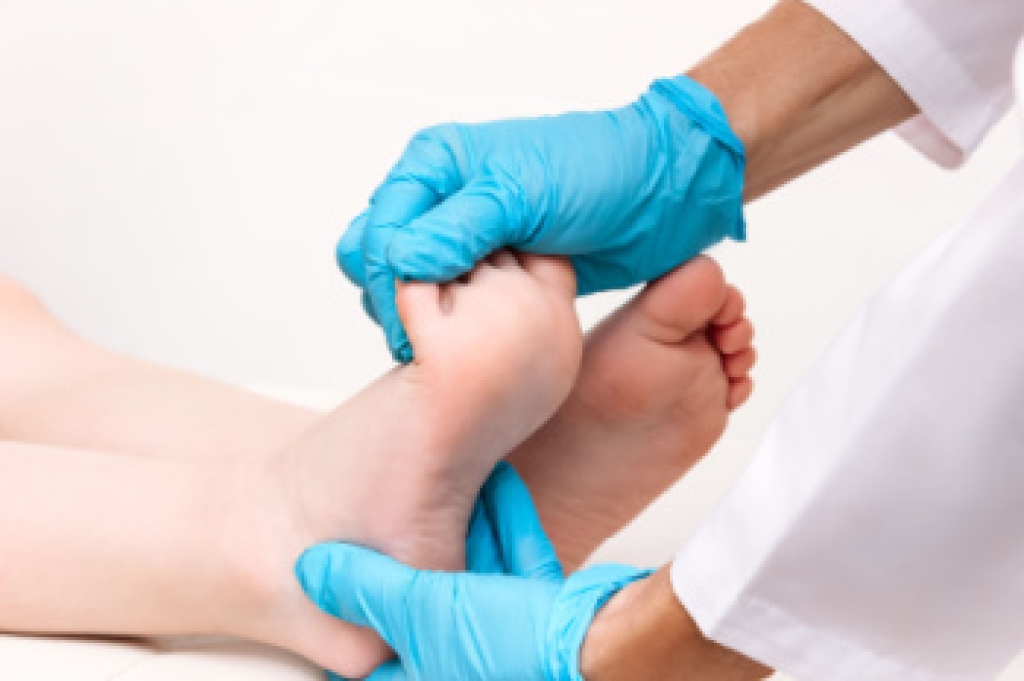
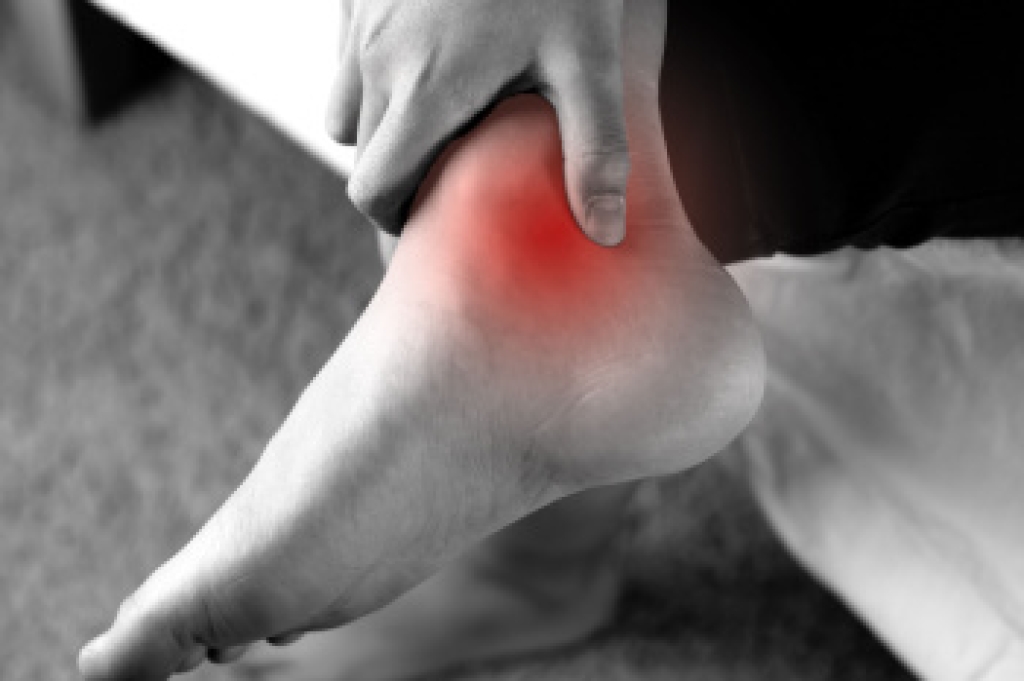
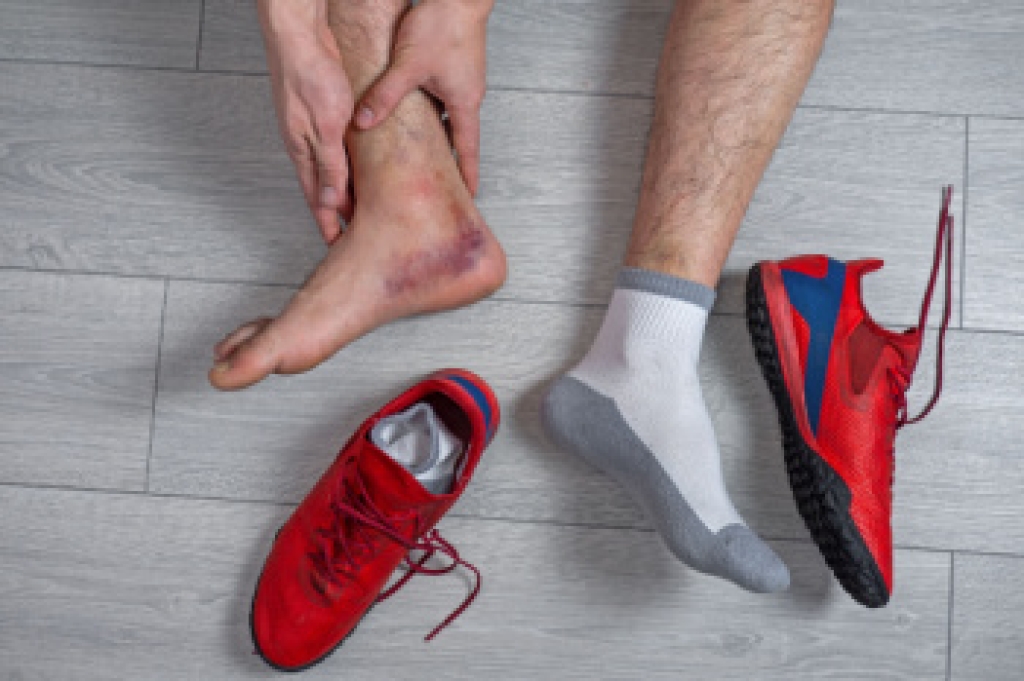
The accessory soleus muscle, or ASM, is a rare muscle condition that can cause pain and numbness on the inner side of the ankle, similar to tarsal tunnel syndrome. ASM usually starts from the fibula or soleus muscle and connects to the Achilles tendon or heel bone. It often appears as a small lump or swelling along the inner back of the ankle. An MRI scan is typically used to confirm its presence. Most cases are mild and can be managed by simply observing the symptoms. However, if the pain becomes severe or impacts daily activities, surgery to remove the extra muscle may be considered. If you have this type of muscle pain, it is strongly suggested that you visit a podiatrist for a proper diagnosis and treatment that is right for you.

Achilles tendon injuries need immediate attention to avoid future complications. If you have any concerns, contact Edward Orman, DPM of Honeygo Podiatry. Our doctor can provide the care you need to keep you pain-free and on your feet.

What Is the Achilles Tendon?

The Achilles tendon is a tendon that connects the lower leg muscles and calf to the heel of the foot. It is the strongest tendon in the human body and is essential for making movement possible. Because this tendon is such an integral part of the body, any injuries to it can create immense difficulties and should immediately be presented to a doctor.

What Are the Symptoms of an Achilles Tendon Injury?

There are various types of injuries that can affect the Achilles tendon. The two most common injuries are Achilles tendinitis and ruptures of the tendon.

Achilles Tendinitis Symptoms

  • Inflammation
  • Dull to severe pain
  • Increased blood flow to the tendon
  • Thickening of the tendon

Rupture Symptoms

  • Extreme pain and swelling in the foot
  • Total immobility

Treatment and Prevention

Achilles tendon injuries are diagnosed by a thorough physical evaluation, which can include an MRI. Treatment involves rest, physical therapy, and in some cases, surgery. However, various preventative measures can be taken to avoid these injuries, such as:

  • Thorough stretching of the tendon before and after exercise
  • Strengthening exercises like calf raises, squats, leg curls, leg extensions, leg raises, lunges, and leg presses

If you have any questions please feel free to contact our offices located in Perry Hall, and Fallston, MD . We offer the newest diagnostic tools and technology to treat your foot and ankle needs.

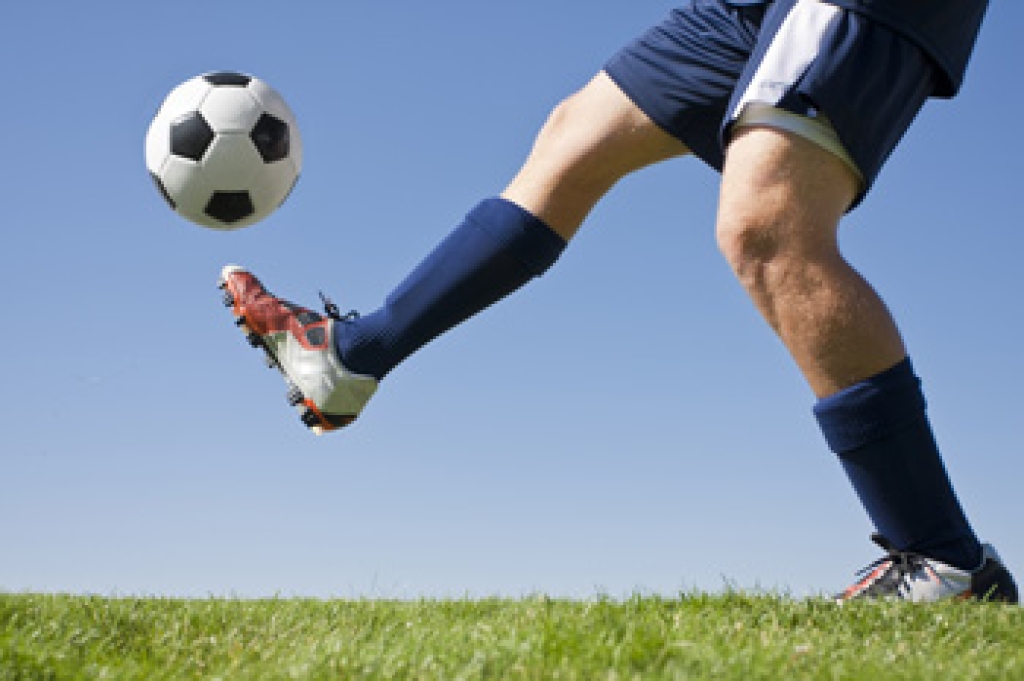
Read more about The Causes, Types, and Treatments of Achilles Tendon Injuries

The Benefits of Wearing Shoes That Fit Properly

When shoes fit correctly, it can be easier to complete daily activities. Wearing the right shoes may be helpful in protecting the body from injury, and the feet will generally feel comfortable. This is a result of proper support and adequate cushioning in the shoes. Research has indicated that it is beneficial to purchase shoes in the afternoon, when the feet are typically at their largest. It is important to ensure the toes have ample room to move freely, in addition to making sure your heels do not slip in the shoe. The type of shoes that are worn can influence the way you walk, and may affect the arches, joints, and foot muscles. If you would like to know more information about how to purchase properly fitted shoes, it is suggested that you consult with a podiatrist. 

Finding a properly-fitting shoe is important in reducing injuries and preventing foot problems. For more information about treatment, contact Edward Orman, DPM from Honeygo Podiatry. Our doctor will treat your foot and ankle needs.
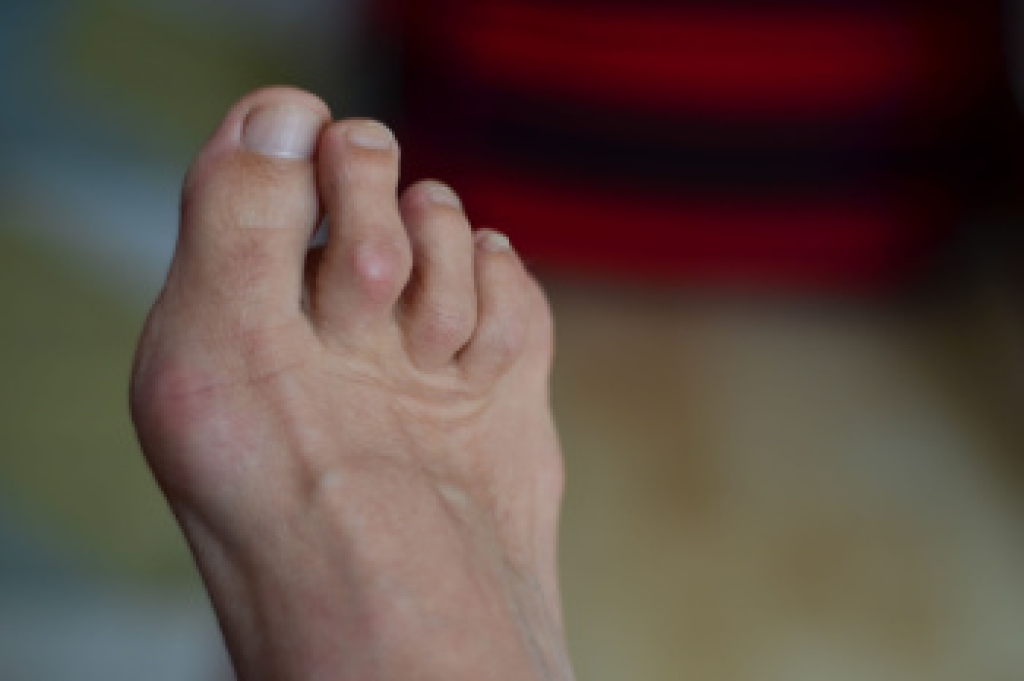
Proper Shoe Fitting

A common concern when it comes to foot health, having properly fitted shoes can help prevent injuries to the foot. Out feet affect our posture and gait, which in turn affects the biomechanics and overall bodily structure. With 33 joints, 26 bones, and over 100 ligaments, the potential for serious injury is much greater than one realizes. Although the feet cease growth in adulthood, they still change shape as they mature. Here are some factors to consider when it comes to investing in proper fitting shoes:

  • Be sure the shoes fit correctly right away
  • Ensure the ball of your foot fits comfortably in the widest portion of the shoes
  • Even though they may look fashionable, improper fitting shoes can either create adverse conditions or exacerbate existing ones you may already have
  • Walk along a carpeted surface to ensure the shoes comfortably fit during normal activity

Keeping in mind how shoes fit the biomechanics of your body, properly-fitting shoes are vitally important. Fortunately, it is not difficult to acquire footwear that fits correctly. Be sure to wear shoes that support the overall structure of your body. Do your feet a favor and invest in several pairs of well-fitted shoes today.

If you have any questions, please feel free to contact our offices located in Perry Hall, and Fallston, MD . We offer the newest diagnostic and treatment technologies for all your foot care needs.

Read more about Proper Shoe Fitting

Soccer Footwear And Its Impact On Injuries

Modern soccer shoes are designed to enhance performance through lightweight materials and close-fitting construction. However, these same features may increase the risk of foot and ankle injuries. Thin soles and limited cushioning can lead to stress-related conditions, while narrow toe boxes may cause irritation or pressure on the forefoot. Playing on artificial turf in cleats that do not provide enough traction or support can also contribute to joint or muscle strain. Improvements in design may include better shock absorption, more anatomical shaping, and options that accommodate different foot types. Balancing agility with protection remains a challenge for manufacturers, but updated designs could reduce the occurrence of common foot injuries seen in soccer players. If you have foot or ankle pain related to sports activity, it is suggested that you see a podiatrist for a diagnosis and appropriate treatment.

Sports related foot and ankle injuries require proper treatment before players can go back to their regular routines. For more information, contact Edward Orman, DPM of Honeygo Podiatry. Our doctor can provide the care you need to keep you pain-free and on your feet.

Sports Related Foot and Ankle Injuries

Foot and ankle injuries are a common occurrence when it comes to athletes of any sport. While many athletes dismiss the initial aches and pains, the truth is that ignoring potential foot and ankle injuries can lead to serious problems. As athletes continue to place pressure and strain the area further, a mild injury can turn into something as serious as a rupture and may lead to a permanent disability. There are many factors that contribute to sports related foot and ankle injuries, which include failure to warm up properly, not providing support or wearing bad footwear. Common injuries and conditions athletes face, including:

  • Plantar Fasciitis
  • Achilles Tendinitis
  • Achilles Tendon Rupture
  • Ankle Sprains

Sports related injuries are commonly treated using the RICE method. This includes rest, applying ice to the injured area, compression and elevating the ankle. More serious sprains and injuries may require surgery, which could include arthroscopic and reconstructive surgery. Rehabilitation and therapy may also be required in order to get any recovering athlete to become fully functional again. Any unusual aches and pains an athlete sustains must be evaluated by a licensed, reputable medical professional.

If you have any questions please contact our offices located in Perry Hall, and Fallston, MD . We offer the newest diagnostic and treatment technologies for all your foot and ankle needs.

Read more about Sports Related Foot And Ankle Injuries

Facts About Clubfoot in Your Newborn

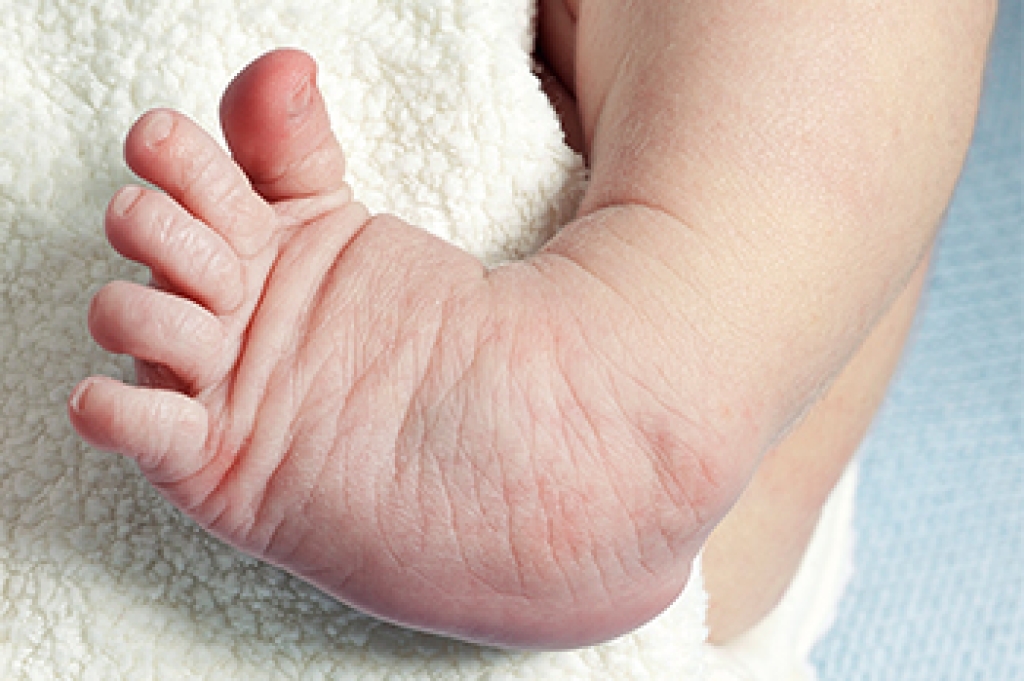
Clubfoot is a condition seen at birth where a baby’s foot twists inward and downward, making the sole face sideways or even upward. One or both feet can be affected, and the calf and foot may appear smaller than normal. Clubfoot involves the foot and ankle bones, joints, and tendons, leading to stiffness and limited motion. While the cause is not always known, it occurs more often in boys or when there is a family history. A similar issue, called positional clubfoot, can happen if the baby’s foot was pressed into an awkward position in the womb, but that form does not affect bone structure. True clubfoot requires early treatment to help move the foot into a better position. A podiatrist can assess the severity, take X-rays if needed, and monitor foot growth to determine whether a brace, casting, or surgery is necessary. If your baby displays symptoms of clubfoot, it is suggested that you schedule an appointment with a podiatrist for a diagnosis and ongoing treatment.

Congenital foot problems require immediate attention to avoid future complications. If you have any concerns, contact Edward Orman, DPM of Honeygo Podiatry. Our doctor can provide the care you need to keep you pain-free and on your feet.

Congenital foot problems are deformities affecting the feet, toes, and/or ankles that children are born with. Some of these conditions have a genetic cause while others just happen. Some specific foot ailments that children may be born with include clubfeet, polydactyly/macrodactyly, and cleft foot. There are several other foot anomalies that can occur congenitally. What all of these conditions have in common is that a child may experience difficulty walking or performing everyday activities, as well as trouble finding footwear that fits their foot deformity. Some of these conditions are more serious than others. Consulting with a podiatrist as early as possible will help in properly diagnosing a child’s foot condition while getting the necessary treatment underway.

What are Causes of Congenital Foot Problem?

A congenital foot problem is one that happens to a child at birth. These conditions can be caused by a genetic predisposition, developmental or positional abnormalities during gestation, or with no known cause.

What are Symptoms of Congenital Foot Problems?

Symptoms vary by the congenital condition. Symptoms may consist of the following:

  • Clubfoot, where tendons are shortened, bones are shaped differently, and the Achilles tendon is tight, causing the foot to point in and down. It is also possible for the soles of the feet to face each other.
  • Polydactyly, which usually consists of a nubbin or small lump of tissue without a bone, a toe that is partially formed but has no joints, or an extra toe.
  • Vertical talus, where the talus bone forms in the wrong position causing other bones in the foot to line up improperly, the front of the foot to point up, and the bottom of the foot to stiffen, with no arch, and to curve out.
  • Tarsal coalition, when there is an abnormal connection of two or more bones in the foot leading to severe, rigid flatfoot.
  • Cleft foot, where there are missing toes, a V-shaped cleft, and other anatomical differences.
  • Macrodactyly, when the toes are abnormally large due to overgrowth of the underlying bone or soft tissue.

Treatment and Prevention

While there is nothing one can do to prevent congenital foot problems, raising awareness and receiving neonatal screenings are important. Early detection by taking your child to a podiatrist leads to the best outcome possible.

If you have any questions, please feel free to contact our offices located in Perry Hall, and Fallston, MD . We offer the newest diagnostic and treatment technologies for all your foot care needs.

Read more about Congenital Foot Problems

Nerve Problems in Children Are Often Linked to Other Health Conditions

Some children develop nerve issues in the feet and legs as a result of other medical conditions affecting their entire body. These nerve problems, known as peripheral nerve disorders, can cause tingling, numbness, weakness, or burning sensations. In children, they may be connected to illnesses such as diabetes, autoimmune disorders, or infections. When these underlying health conditions affect how nerves send signals, it can lead to trouble with walking, balance, or coordination. Early signs are sometimes subtle, like frequent tripping or unexplained foot discomfort. Identifying the root cause is important, as treating the overall condition often improves nerve symptoms. If a child begins to show signs of nerve changes or foot pain without injury, it is suggested that you visit a podiatrist for further investigation.

Peripheral artery disease can pose a serious risk to your health. It can increase the risk of stroke and heart attack. If you have symptoms of peripheral artery disease, consult with Edward Orman, DPM from Honeygo Podiatry. Our doctor will assess your condition and provide you with quality foot and ankle treatment.

Peripheral artery disease (PAD) is when arteries are constricted due to plaque (fatty deposits) build-up. This results in less blood flow to the legs and other extremities. The main cause of PAD is atherosclerosis, in which plaque builds up in the arteries.

Symptoms

Symptoms of PAD include:

  • Claudication (leg pain from walking)
  • Numbness in legs
  • Decrease in growth of leg hair and toenails
  • Paleness of the skin
  • Erectile dysfunction
  • Sores and wounds on legs and feet that won’t heal
  • Coldness in one leg

It is important to note that a majority of individuals never show any symptoms of PAD.

Diagnosis

While PAD occurs in the legs and arteries, Podiatrists can diagnose PAD. Podiatrists utilize a test called an ankle-brachial index (ABI). An ABI test compares blood pressure in your arm to you ankle to see if any abnormality occurs. Ultrasound and imaging devices may also be used.

Treatment

Fortunately, lifestyle changes such as maintaining a healthy diet, exercising, managing cholesterol and blood sugar levels, and quitting smoking, can all treat PAD. Medications that prevent clots from occurring can be prescribed. Finally, in some cases, surgery may be recommended.

If you have any questions, please feel free to contact our offices located in Perry Hall, and Fallston, MD . We offer the newest diagnostic and treatment technologies for all your foot care needs.

Read more about Peripheral Artery Disease

Podiatrist Support for Runner’s Foot Pain

Foot pain in runners is a common issue often caused by plantar fasciitis, metatarsalgia, and stress fractures. Plantar fasciitis involves inflammation of the tissue along the bottom of the foot, while metatarsalgia refers to pain in the ball of the foot. Stress fractures result from repetitive impact and overuse. Stretching can help ease discomfort, including the seated towel stretch to improve flexibility and rolling a frozen water bottle under the arch to reduce inflammation. Wearing properly fitted running shoes with good support is essential. A podiatrist can evaluate pain, identify the underlying cause, recommend targeted stretches and footwear, and provide treatment to promote healing and prevent further injury for long-term foot health. If you have foot pain from running, it is suggested that you consult this type of doctor who can offer appropriate treatment solutions.

All runners should take extra precaution when trying to avoid injury. If you have any concerns about your feet, contact Edward Orman, DPM of Honeygo Podiatry. Our doctor will treat your foot and ankle needs.
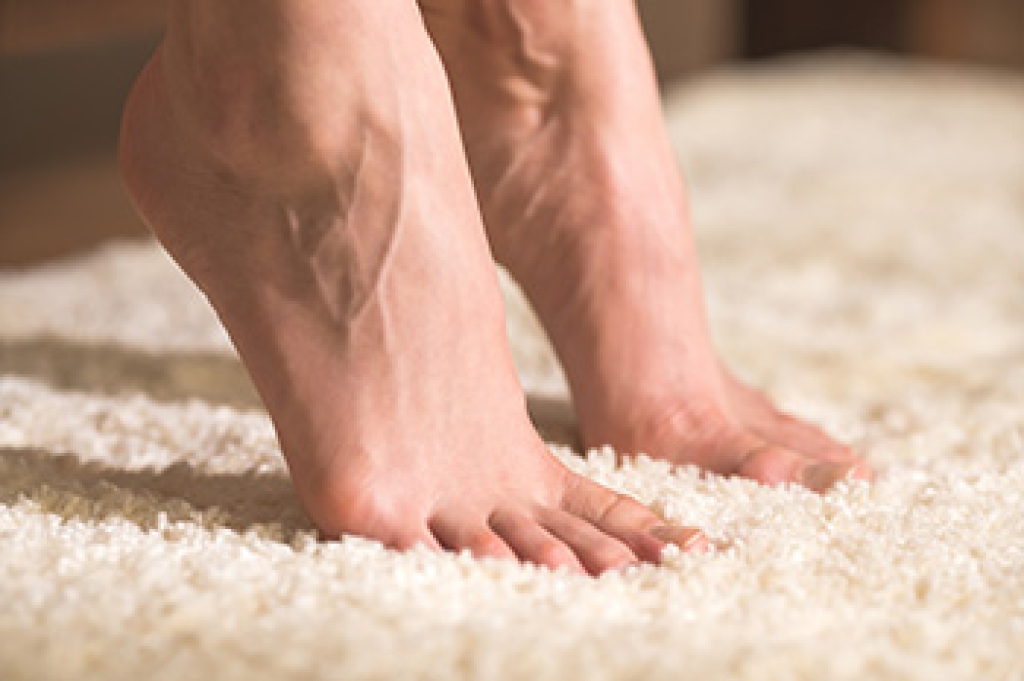
How to Prevent Running Injuries

There are a lot of mistakes a runner can make prior to a workout that can induce injury. A lot of athletes tend to overstretch before running, instead of saving those workouts for a post-run routine. Deep lunges and hand-to-toe hamstring pulls should be performed after a workout instead of during a warmup. Another common mistake is jumping into an intense routine before your body is physically prepared for it. You should try to ease your way into long-distance running instead of forcing yourself to rush into it.

More Tips for Preventing Injury

  • Incorporate Strength Training into Workouts - This will help improve the body’s overall athleticism
  • Improve and Maintain Your Flexibility – Stretching everyday will help improve overall performance
  • “Warm Up” Before Running and “Cool Down” Afterward – A warm up of 5-10 minutes helps get rid of lactic acid in the muscles and prevents delayed muscle soreness
  • Cross-Training is Crucial
  • Wear Proper Running Shoes
  • Have a Formal Gait Analysis – Poor biomechanics can easily cause injury

If you have any questions, please feel free to contact our offices located in Perry Hall, and Fallston, MD . We offer the newest diagnostic and treatment technologies for all your foot care needs.

Read more about Preventing Running Injuries

Nerve Pain in the Foot and Tarsal Tunnel Syndrome

Tarsal tunnel syndrome is caused by compression of the posterior tibial nerve as it passes through the tarsal tunnel, a narrow space on the inside of the ankle. This nerve supplies sensation and movement to parts of the foot. Symptoms include burning, tingling, numbness, or shooting pain along the bottom of the foot or into the toes. Diagnosis involves a physical exam, medical history, and possibly nerve conduction studies or imaging. If you have pain in this part of your foot, it is suggested that you consult a podiatrist who can identify the condition early, and guide treatment to relieve nerve pressure and reduce symptoms, improving mobility and comfort.

Tarsal tunnel syndrome can be very uncomfortable to live with. If you are experiencing tarsal tunnel syndrome, contact Edward Orman, DPM of Honeygo Podiatry. Our doctor can provide the care you need to keep you pain-free and on your feet.

Tarsal Tunnel Syndrome

Tarsal tunnel syndrome, which can also be called tibial nerve dysfunction, is an uncommon condition of misfiring peripheral nerves in the foot. The tibial nerve is the peripheral nerve in the leg responsible for sensation and movement of the foot and calf muscles. In tarsal tunnel syndrome, the tibial nerve is damaged, causing problems with movement and feeling in the foot of the affected leg.

Common Cause of Tarsal Tunnel Syndrome

  • Involves pressure or an injury, direct pressure on the tibial nerve for an extended period of time, sometimes caused by other body structures close by or near the knee.
  • Diseases that damage nerves, including diabetes, may cause tarsal tunnel syndrome.
  • At times, tarsal tunnel syndrome can appear without an obvious cause in some cases.

The Effects of Tarsal Tunnel Syndrome

  • Different sensations, an afflicted person may experience pain, tingling, burning or other unusual sensations in the foot of the affected leg.
  • The foot muscles, toes and ankle become weaker, and curling your toes or flexing your foot can become difficult.
  • If condition worsens, infections and ulcers may develop on the foot that is experiencing the syndrome.

A physical exam of the leg can help identify the presence of tarsal tunnel syndrome. Medical tests, such as a nerve biopsy, are also used to diagnose the condition. Patients may receive physical therapy and prescriptive medication. In extreme cases, some may require surgery.

If you have any questions please contact our offices located in Perry Hall, and Fallston, MD . We offer the newest diagnostic and treatment technologies for all your foot and ankle needs.

Read more about Treating Tarsal Tunnel Syndrome

Hammertoe Deformity and Its Common Causes

Hammertoe is a deformity where one of the smaller toes bends abnormally at the middle joint, creating a shape that resembles a hammer. This condition often results from muscle or tendon imbalances that cause the toe to remain in a bent position. Common causes include wearing tight or narrow shoes, injury, or having an unusually high foot arch. Over time, the toe may become stiff and difficult to move. Symptoms often include pain when wearing shoes, corns or calluses on the top of the toe, and redness or swelling around the joint. The deformity may start as flexible but can become rigid, if not addressed. If you have symptoms of this condition, it is suggested that you consult a podiatrist who can offer effective treatment solutions. Early recognition and treatment are important to relieve discomfort and prevent further progression that may require more advanced medical or surgical care.

Hammertoes can be a painful condition to live with. For more information, contact Edward Orman, DPM of Honeygo Podiatry. Our doctor will answer any of your foot- and ankle-related questions.

Hammertoe

Hammertoe is a foot deformity that occurs due to an imbalance in the muscles, tendons, or ligaments that normally hold the toe straight. It can be caused by the type of shoes you wear, your foot structure, trauma, and certain disease processes.

Symptoms

  • Painful and/or difficult toe movement
  • Swelling
  • Joint stiffness
  • Calluses/Corns
  • Physical deformity

Risk Factors

  • Age – The risk of hammertoe increases with age
  • Sex – Women are more likely to have hammertoe compared to men
  • Toe Length – You are more likely to develop hammertoe if your second toe is longer than your big toe
  • Certain Diseases – Arthritis and diabetes may make you more likely to develop hammertoe

Treatment

If you have hammertoe, you should change into a more comfortable shoe that provides enough room for your toes. Exercises such as picking up marbles may strengthen and stretch your toe muscles. Nevertheless, it is important to seek assistance from a podiatrist in order to determine the severity of your hammertoe and see which treatment option will work best for you.

If you have any questions, please feel free to contact our offices located in Perry Hall, and Fallston, MD . We offer the newest diagnostic and treatment technologies for all your foot care needs.

Read more about Hammertoe

Foot Exercises to Keep Older Adults Moving

Simple foot exercises can help older adults stay steady, ease pain, and maintain mobility. As we age, feet lose strength and flexibility, which can affect balance and increase the risk of falls. Gentle movements like toe curls, ankle circles, and heel raises can improve circulation, muscle tone, and joint motion. Rolling a small ball under the foot massages sore spots and wakes up tired feet. Stretching the calves and the bottoms of the feet helps relieve stiffness. These exercises can be done seated or standing and take just a few minutes each day. They are especially helpful for those with arthritis, diabetes, or poor circulation. Staying active starts from the ground up. If you have trouble with foot pain or balance, it is suggested you see a podiatrist for treatment and additional exercise tips.

Proper foot care is something many older adults forget to consider. If you have any concerns about your feet and ankles, contact Edward Orman, DPM from Honeygo Podiatry. Our doctor can provide the care you need to keep you pain-free and on your feet.

The Elderly and Their Feet

As we age we start to notice many changes in our body, but the elder population may not notice them right away. Medical conditions may prevent the elderly to take notice of their foot health right away. Poor vision is a lead contributor to not taking action for the elderly.

Common Conditions 

  • Neuropathy – can reduce feeling in the feet and can hide many life-threatening medical conditions.
  • Reduced flexibility – prevents the ability of proper toenail trimming, and foot cleaning. If left untreated, it may lead to further medical issues.
  • Foot sores – amongst the older population can be serious before they are discovered. Some of the problematic conditions they may face are:
  • Gouging toenails affecting nearby toe
  • Shoes that don’t fit properly
  • Pressure sores
  • Loss of circulation in legs & feet
  • Edema & swelling of feet and ankles

Susceptible Infections

Diabetes and poor circulation can cause general loss of sensitivity over the years, turning a simple cut into a serious issue.

If you have any questions, please feel free to contact our offices located in Perry Hall, and Fallston, MD . We offer the newest diagnostic and treatment technologies for all your foot care needs.

Read more about Elderly Foot Care

Exploring the Causes of Burning Feet

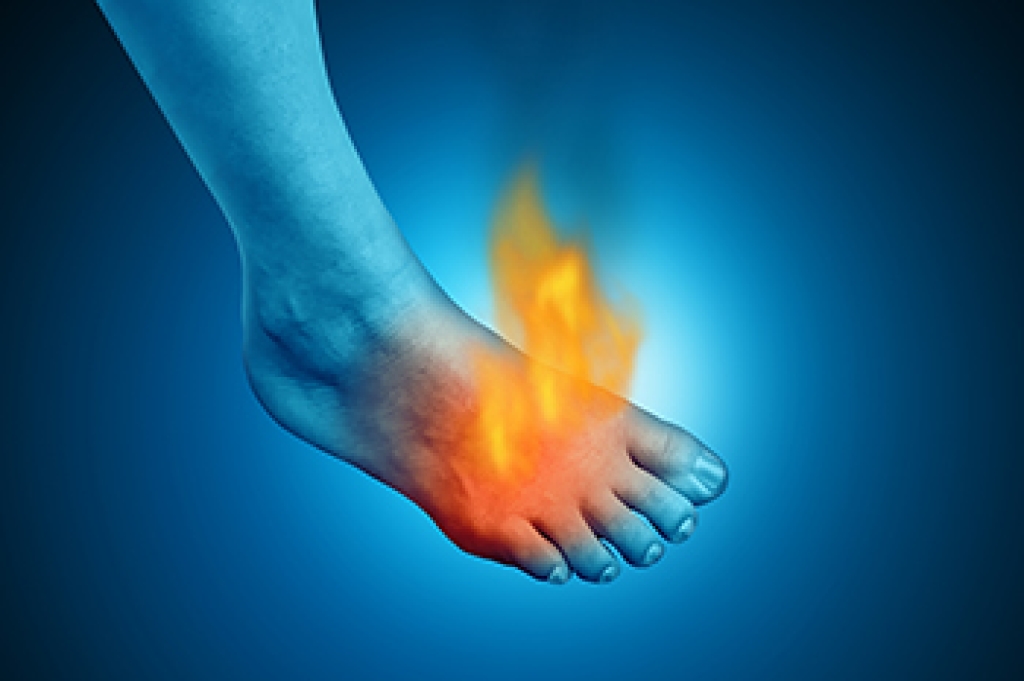
Burning sensations on the bottom of the feet can arise from several underlying medical issues, including nerve damage and circulatory problems. Conditions such as peripheral neuropathy, often caused by diabetes, alcoholism, or vitamin deficiencies, also can lead to nerve hypersensitivity. This may result in persistent burning, numbness, and weakness. Poor blood flow linked to peripheral artery disease may also produce burning pain, especially during physical activity. Foot-specific conditions, including Morton’s neuroma, metatarsalgia, and tarsal tunnel syndrome can affect the nerves and soft tissues, causing intense discomfort. Infections like athlete’s foot or injuries such as fractures may provoke acute burning sensations. To determine the cause of burning foot pain a podiatrist can perform a detailed exam and order nerve conduction studies, blood tests, or imaging tests. Based on the diagnosis, treatment may involve medication, custom orthotics, or, in more advanced cases, surgery to alleviate nerve compression or restore circulation. If you experience the sensation of burning feet, it is suggested that you schedule an appointment with a podiatrist for a diagnosis and appropriate treatment.

Foot Pain

Foot pain can be extremely painful and debilitating. If you have a foot pain, consult with Edward Orman, DPM from Honeygo Podiatry. Our doctor will assess your condition and provide you with quality foot and ankle treatment.

Causes

Foot pain is a very broad condition that could be caused by one or more ailments. The most common include:

  • Bunions
  • Hammertoes
  • Plantar Fasciitis
  • Bone Spurs
  • Corns
  • Tarsal Tunnel Syndrome
  • Ingrown Toenails
  • Arthritis (such as Gout, Rheumatoid, and Osteoarthritis)
  • Flat Feet
  • Injury (from stress fractures, broken toe, foot, ankle, Achilles tendon ruptures, and sprains)
  • And more

Diagnosis

To figure out the cause of foot pain, podiatrists utilize several different methods. This can range from simple visual inspections and sensation tests to X-rays and MRI scans. Prior medical history, family medical history, and any recent physical traumatic events will all be taken into consideration for a proper diagnosis.

Treatment

Treatment depends upon the cause of the foot pain. Whether it is resting, staying off the foot, or having surgery; podiatrists have a number of treatment options available for foot pain.

If you have any questions, please feel free to contact our offices located in Perry Hall, and Fallston, MD . We offer the newest diagnostic and treatment technologies for all your foot care needs.

Read more about Foot Pain

Connect With Us

scroll to top