Gout Pain Can Be Managed

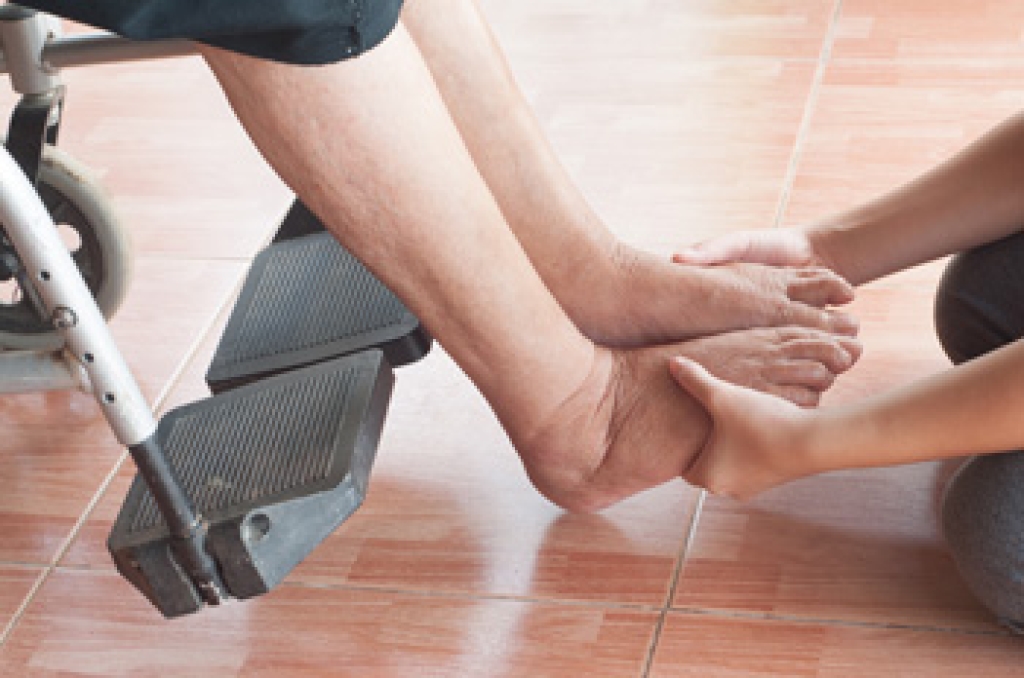
Gout is a painful, inflammatory form of arthritis. Those affected will typically feel an intense stiffness in the joints of their feet, particularly in the big toe. Schedule a visit to learn about how gout can be managed and treated.

Strengthening Exercises for Improved Arch Support

Flat feet, or pes planus, can benefit from targeted exercises that aim to strengthen the muscles surrounding the arches. Toe curls, a simple yet effective exercise, involve gripping a towel with your toes and lifting it off the ground. This helps engage the muscles along the arch and promotes better support. Arch lifts, where you lift the inner edge of your foot while keeping the outer edge on the ground, target the muscles responsible for maintaining the foot's arch structure. Heel cord stretches alleviate tension in the Achilles tendon and calf muscles, supporting overall foot flexibility. Additionally, ankle circles, rotating your ankles in both directions, enhance mobility and contribute to improved arch function. Incorporating these exercises into your routine gradually can contribute to the development of stronger foot muscles, providing better arch support and potentially aiding in the correction of flat feet over time. Consistency is key as you work toward building strength and stability in the intricate network of muscles that shape the foundation of your feet. If you have flat feet, it is suggested that you confer with a podiatrist who can offer you effective stretches and other relief techniques.

Flatfoot is a condition many people suffer from. If you have flat feet, contact Edward Orman, DPM from Honeygo Podiatry. Our doctor will treat your foot and ankle needs.

What Are Flat Feet?

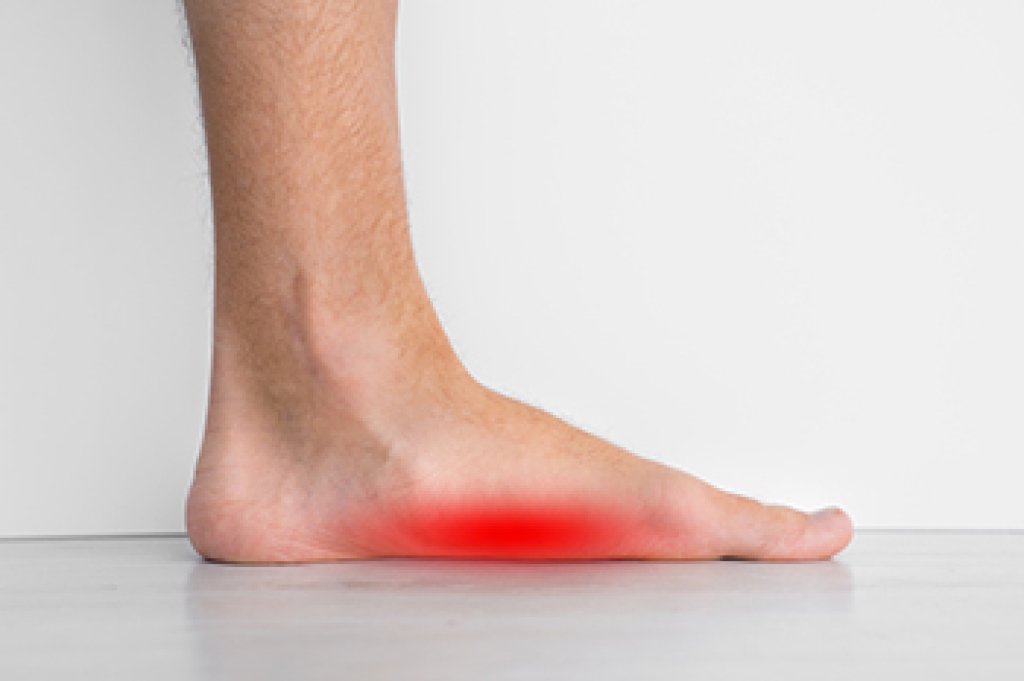
Flatfoot is a condition in which the arch of the foot is depressed and the sole of the foot is almost completely in contact with the ground. About 20-30% of the population generally has flat feet because their arches never formed during growth.

Conditions & Problems:

Having flat feet makes it difficult to run or walk because of the stress placed on the ankles.

Alignment – The general alignment of your legs can be disrupted, because the ankles move inward which can cause major discomfort.

Knees – If you have complications with your knees, flat feet can be a contributor to arthritis in that area.  

Symptoms

  • Pain around the heel or arch area
  • Trouble standing on the tip toe
  • Swelling around the inside of the ankle
  • Flat look to one or both feet
  • Having your shoes feel uneven when worn

Treatment

If you are experiencing pain and stress on the foot you may weaken the posterior tibial tendon, which runs around the inside of the ankle. 

If you have any questions, please feel free to contact our offices located in Perry Hall, and Fallston, MD . We offer the newest diagnostic and treatment technologies for all your foot care needs.

Read more about Flat Feet

Symptoms of Achilles Tendonitis in Runners

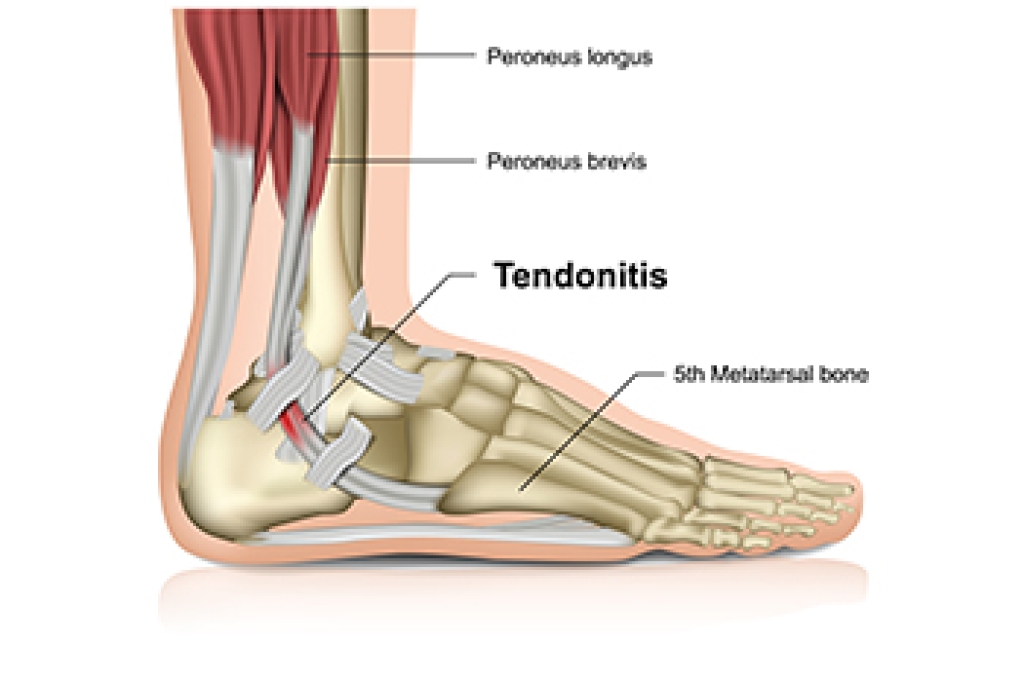
Achilles tendonitis, a common woe for runners, arises from inflammation in the strong tendon that connects the calf muscles to the heel bone. Typically linked to the runner's trifecta of too much, too fast, and too soon, recognizing symptoms of Achilles tendonitis is vital for timely intervention. These symptoms include initial stiffness that dissipates with warming up, in addition to pain and swelling near the heel. The runner may experience limited ankle flexibility during physical activities, and notice redness along the tendon. Other symptoms can include a distinct burning sensation, palpable scar tissue lumps, and an audible cracking or popping sound during ankle movement. Runners, constantly pushing their limits, are particularly prone to Achilles tendon injuries due to the repetitive stress involved in each stride. Speed and uphill training can increase the strain on the tendon. This can lead to overworking, tightening, and inflammation, which may result in Achilles tendonitis. If you are experiencing symptoms of Achilles tendonitis, it is suggested that you schedule an appointment with a podiatrist for a complete examination and treatment suggestions.

Achilles tendon injuries need immediate attention to avoid future complications. If you have any concerns, contact Edward Orman, DPM of Honeygo Podiatry. Our doctor can provide the care you need to keep you pain-free and on your feet.

What Is the Achilles Tendon?

The Achilles tendon is a tendon that connects the lower leg muscles and calf to the heel of the foot. It is the strongest tendon in the human body and is essential for making movement possible. Because this tendon is such an integral part of the body, any injuries to it can create immense difficulties and should immediately be presented to a doctor.

What Are the Symptoms of an Achilles Tendon Injury?

There are various types of injuries that can affect the Achilles tendon. The two most common injuries are Achilles tendinitis and ruptures of the tendon.

Achilles Tendinitis Symptoms

  • Inflammation
  • Dull to severe pain
  • Increased blood flow to the tendon
  • Thickening of the tendon

Rupture Symptoms

  • Extreme pain and swelling in the foot
  • Total immobility

Treatment and Prevention

Achilles tendon injuries are diagnosed by a thorough physical evaluation, which can include an MRI. Treatment involves rest, physical therapy, and in some cases, surgery. However, various preventative measures can be taken to avoid these injuries, such as:

  • Thorough stretching of the tendon before and after exercise
  • Strengthening exercises like calf raises, squats, leg curls, leg extensions, leg raises, lunges, and leg presses

If you have any questions please feel free to contact our offices located in Perry Hall, and Fallston, MD . We offer the newest diagnostic tools and technology to treat your foot and ankle needs.

Read more about Achilles Tendon Injuries

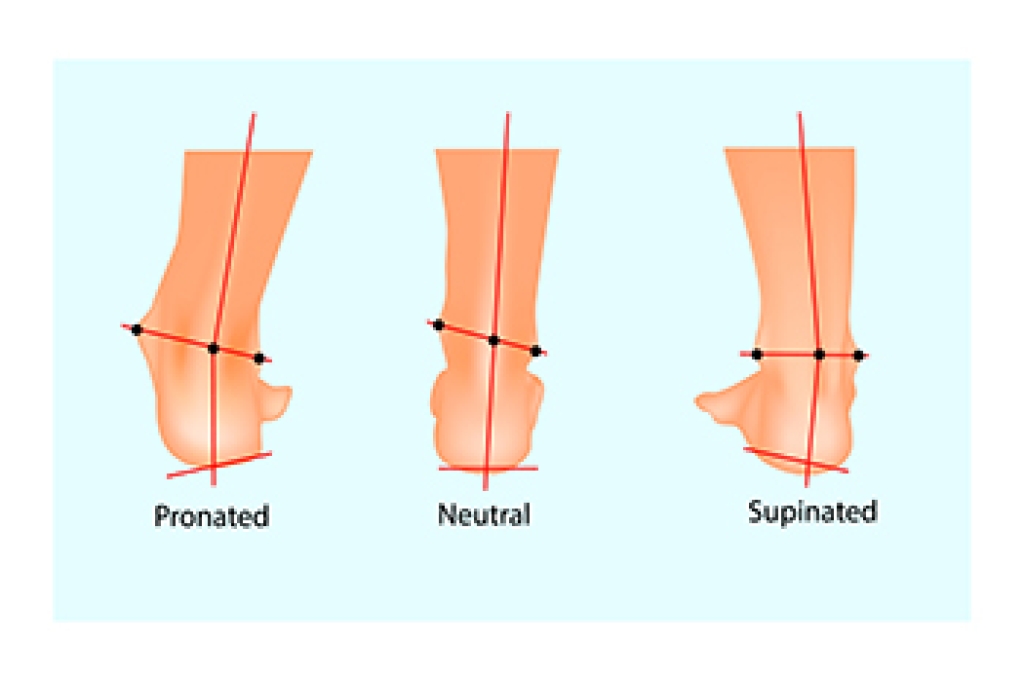
Can Overpronation Be Corrected?

Overpronation, a common foot condition involving excessive inward rolling, requires careful attention to alleviate symptoms and prevent complications. The primary approach to overpronation involves adopting supportive footwear, which may include specialized shoes to minimize excessive movement and provide stability in the heel and midfoot. For those with moderate to severe overpronation, custom orthotics, tailored to the individual's foot shape, provide personalized assistance in reducing overpronation. Targeted exercises are believed to help in correcting overpronation. The short-foot exercise, involving lifting the arch of the foot off the ground, is particularly beneficial in addressing overpronation. In rare cases of severe overpronation, surgical intervention may be necessary. Reconstruction surgery aims to realign bones, providing better arch support, and may involve the use of stabilizing metal implants. If overpronation affects your well-being, it is suggested that you make an appointment with a podiatrist for a gait analysis, examination, and a treatment plan targeted to your particular condition.

If you have any concerns about your feet, contact Edward Orman, DPM from Honeygo Podiatry. Our doctor can provide the care you need to keep you pain-free and on your feet.

Biomechanics in Podiatry

Podiatric biomechanics is a particular sector of specialty podiatry with licensed practitioners who are trained to diagnose and treat conditions affecting the foot, ankle and lower leg. Biomechanics deals with the forces that act against the body, causing an interference with the biological structures. It focuses on the movement of the ankle, the foot and the forces that interact with them.

A History of Biomechanics

  • Biomechanics dates back to the BC era in Egypt where evidence of professional foot care has been recorded.
  • In 1974, biomechanics gained a higher profile from the studies of Merton Root, who claimed that by changing or controlling the forces between the ankle and the foot, corrections or conditions could be implemented to gain strength and coordination in the area.

Modern technological improvements are based on past theories and therapeutic processes that provide a better understanding of podiatric concepts for biomechanics. Computers can provide accurate information about the forces and patterns of the feet and lower legs.

Understanding biomechanics of the feet can help improve and eliminate pain, stopping further stress to the foot.

If you have any questions please feel free to contact our offices located in Perry Hall, and Fallston, MD . We offer the newest diagnostic and treatment technologies for all your foot and ankle needs.

Read more about Biomechanics in Podiatry

Managing Infected Ingrown Toenails

Ingrown toenails, a common problem causing pain and inconvenience, can affect anyone. However, they are most frequently seen in young adults and adolescents. These toenails usually affect the big toe but can affect other toes as well. Causes of ingrown toenails include direct trauma to the toe, genetic predisposition, improper nail trimming, and wearing poorly fitting shoes. There are three stages of ingrown toenails. Stage one involves redness, slight swelling, and pain at the lateral nail fold. Stage two presents with increased pain, discharge from the nail edge, and signs of bacterial paronychia. In stage three, hypertrophic granulation tissue forms on the lateral wall. Treatment ranges from the conservative to surgery. If you have an ingrown toenail, particularly if it appears infected, it is suggested that you schedule an appointment with a podiatrist to have the affected nail evaluated, and proper treatment given.

Ingrown toenails may initially present themselves as a minor discomfort, but they may progress into an infection in the skin without proper treatment. For more information about ingrown toenails, contact Edward Orman, DPM of Honeygo Podiatry. Our doctor can provide the care you need to keep you pain-free and on your feet.

Ingrown Toenails

Ingrown toenails are caused when the corner or side of a toenail grows into the soft flesh surrounding it. They often result in redness, swelling, pain, and in some cases, infection. This condition typically affects the big toe and may recur if it is not treated properly.

Causes

  • Improper toenail trimming
  • Genetics
  • Improper shoe fitting
  • Injury from pedicures or nail picking
  • Abnormal gait
  • Poor hygiene

You are more likely to develop an ingrown toenail if you are obese, have diabetes, arthritis, or have any fungal infection in your nails. Additionally, people who have foot or toe deformities are at a higher risk of developing an ingrown toenail.

Symptoms

Some symptoms of ingrown toenails are redness, swelling, and pain. In rare cases, there may be a yellowish drainage coming from the nail.

Treatment

Ignoring an ingrown toenail can have serious complications. Infections of the nail border can progress to a deeper soft-tissue infection, which can then turn into a bone infection. You should always speak with your podiatrist if you suspect you have an ingrown toenail, especially if you have diabetes or poor circulation.

If you have any questions, please feel free to contact our offices located in Perry Hall, and Fallston, MD . We offer the newest diagnostic and treatment technologies for all your foot care needs.
Read more about Ingrown Toenails

Connect With Us

scroll to top