
Fall is the start of the season for many sporting events. If you're trying a new physical activity or sport, it's important to practice injury prevention.
Have a foot or ankle injury? Don't wait to get treated.
Fall is the start of the season for many sporting events. If you're trying a new physical activity or sport, it's important to practice injury prevention.
Have a foot or ankle injury? Don't wait to get treated.
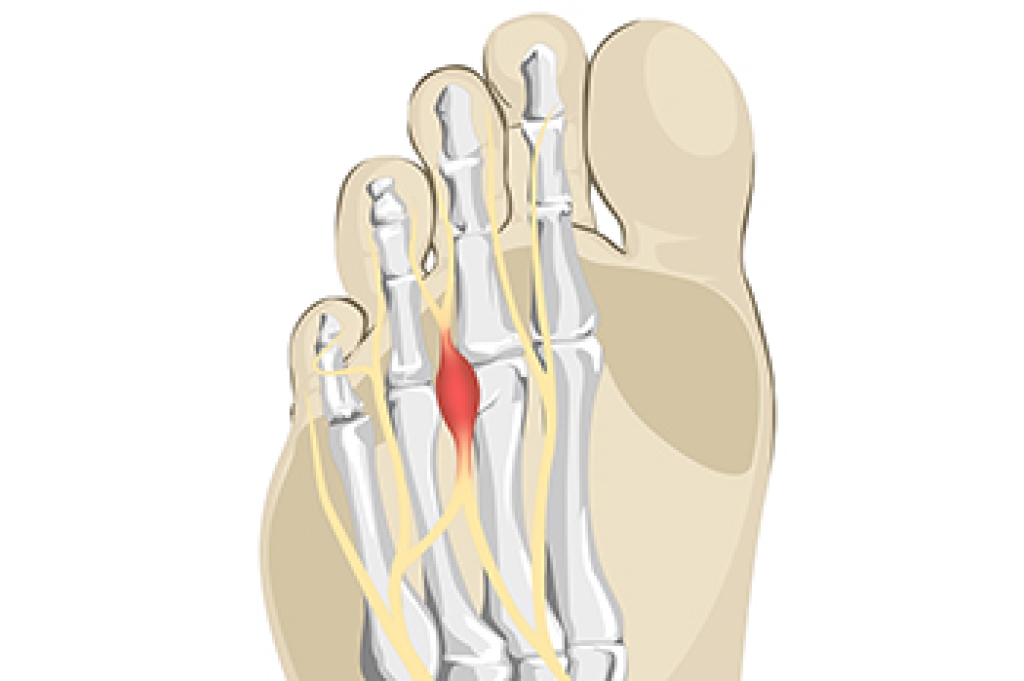
Morton's neuroma, a painful foot condition, is a thickening of the tissue surrounding the nerves leading to the toes. The area most commonly affected is between the third and fourth toes. Morton’s neuroma can cause discomfort and a sensation of standing on a pebble or having a fold in your sock. It is primarily attributed to repeated pressure and irritation of the nerve, often stemming from wearing tight or high-heeled shoes. Activities that involve repetitive stress on the forefoot, such as running or certain sports, can also contribute to its development. Treatment for Morton's neuroma typically begins conservatively, focusing on alleviating symptoms. This may include wearing wider, more comfortable shoes, or using shoe inserts or orthotics that may provide better arch support and cushioning. Additionally, taking anti-inflammatory medications to reduce pain and inflammation may be helpful. In more severe cases, cortico-steroid injections or surgical intervention to remove the affected nerve may be considered. If you suspect you have Morton's neuroma, it is suggested that you make an appointment with a podiatrist for a proper diagnosis and personalized treatment plan.
Morton’s neuroma is a very uncomfortable condition to live with. If you think you have Morton’s neuroma, contact Edward Orman, DPM of Honeygo Podiatry. Our doctor will attend to all of your foot care needs and answer any of your related questions.
Morton’s Neuroma
Morton's neuroma is a painful foot condition that commonly affects the areas between the second and third or third and fourth toe, although other areas of the foot are also susceptible. Morton’s neuroma is caused by an inflamed nerve in the foot that is being squeezed and aggravated by surrounding bones.
What Increases the Chances of Having Morton’s Neuroma?
Morton’s neuroma is a very treatable condition. Orthotics and shoe inserts can often be used to alleviate the pain on the forefront of the feet. In more severe cases, corticosteroids can also be prescribed. In order to figure out the best treatment for your neuroma, it’s recommended to seek the care of a podiatrist who can diagnose your condition and provide different treatment options.
If you have any questions, please feel free to contact our offices located in Perry Hall, and Fallston, MD . We offer the newest diagnostic and treatment technologies for all your foot care needs.
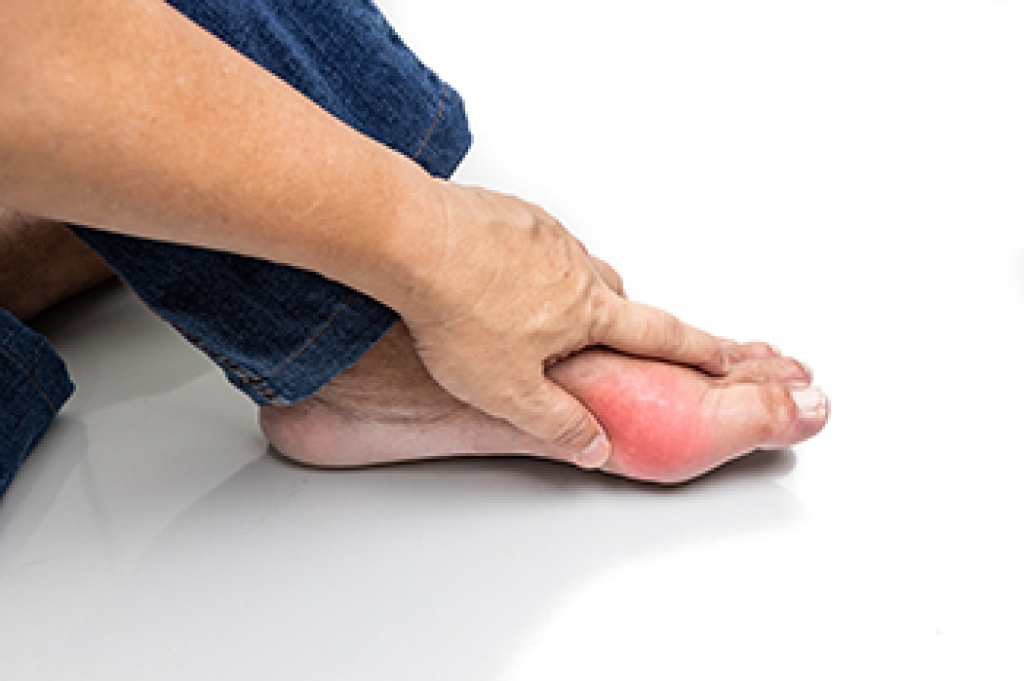
Gout, a painful form of arthritis, can disrupt your daily life, and if left untreated can cause serious joint damage. Recognizing the risk factors associated with gout is needed for prevention and early management. Diet plays a significant role, because a high intake of purine-rich foods like red meat, seafood, and alcohol increases uric acid levels, a primary trigger of gout. Genetics also play a role, as a family history of gout can elevate your risk. Certain genetic factors may predispose individuals to higher uric acid production or decreased excretion. Additionally, obesity is a contributing factor, as being overweight places added stress on joints and can lead to higher uric acid levels. Gout is more common in men, especially after the age of 30, and in women, the risk tends to increase after menopause. Certain medications can raise uric acid levels, and underlying health conditions like high blood pressure, diabetes, and kidney disease can further increase the risk of developing gout. To create a personalized prevention or treatment plan to battle gout it is suggested that you make an appointment with a podiatrist.
Gout is a painful condition that can be treated. If you are seeking treatment, contact Edward Orman, DPM from Honeygo Podiatry. Our doctor will treat your foot and ankle needs.
What Is Gout?
Gout is a form of arthritis that is characterized by sudden, severe attacks of pain, redness, and tenderness in the joints. The condition usually affects the joint at the base of the big toe. A gout attack can occur at any random time, such as the middle of the night while you are asleep.
Symptoms
Risk Factors
Prior to visiting your podiatrist to receive treatment for gout, there are a few things you should do beforehand. If you have gout you should write down your symptoms--including when they started and how often you experience them, important medical information you may have, and any questions you may have. Writing down these three things will help your podiatrist in assessing your specific situation so that he or she may provide the best route of treatment for you.
If you have any questions, please feel free to contact our offices located in Perry Hall, and Fallston, MD . We offer the newest diagnostic and treatment technologies for all your foot care needs.
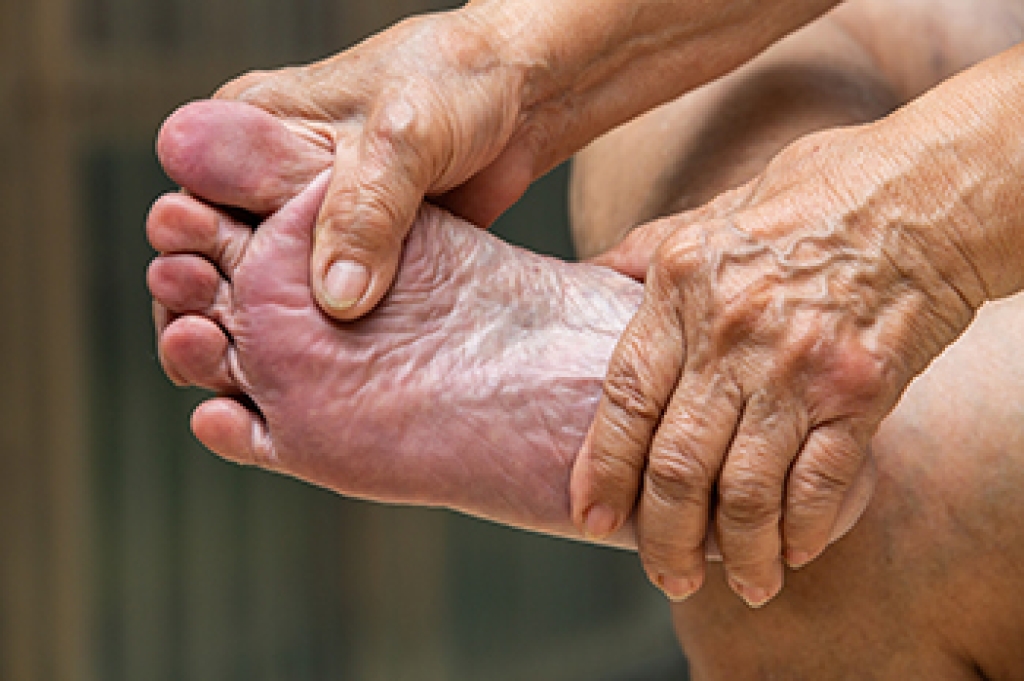
As people age, their bodies undergo various changes, and the feet are no exception. Senior citizens often encounter a range of foot problems that can significantly effect their mobility and overall quality of life. One of the most common issues is arthritis, which can cause pain, stiffness, and reduced joint flexibility. Additionally, decreased blood circulation and thinner skin make seniors more susceptible to foot sores and slow wound healing. To prevent these conditions, seniors must prioritize foot care. This includes wearing comfortable, supportive shoes, maintaining proper hygiene, and inspecting their feet regularly for any signs of problems. Regular exercise can also help improve circulation and reduce the risk of foot ailments. By taking proactive steps to care for their feet, seniors can enjoy greater comfort and mobility. If you have questions about elderly foot care, it is suggested that you consult a podiatrist who can address any concerns you may have.
Proper foot care is something many older adults forget to consider. If you have any concerns about your feet and ankles, contact Edward Orman, DPM from Honeygo Podiatry. Our doctor can provide the care you need to keep you pain-free and on your feet.
The Elderly and Their Feet
As we age we start to notice many changes in our body, but the elder population may not notice them right away. Medical conditions may prevent the elderly to take notice of their foot health right away. Poor vision is a lead contributor to not taking action for the elderly.
Common Conditions
Susceptible Infections
Diabetes and poor circulation can cause general loss of sensitivity over the years, turning a simple cut into a serious issue.
If you have any questions, please feel free to contact our offices located in Perry Hall, and Fallston, MD . We offer the newest diagnostic and treatment technologies for all your foot care needs.
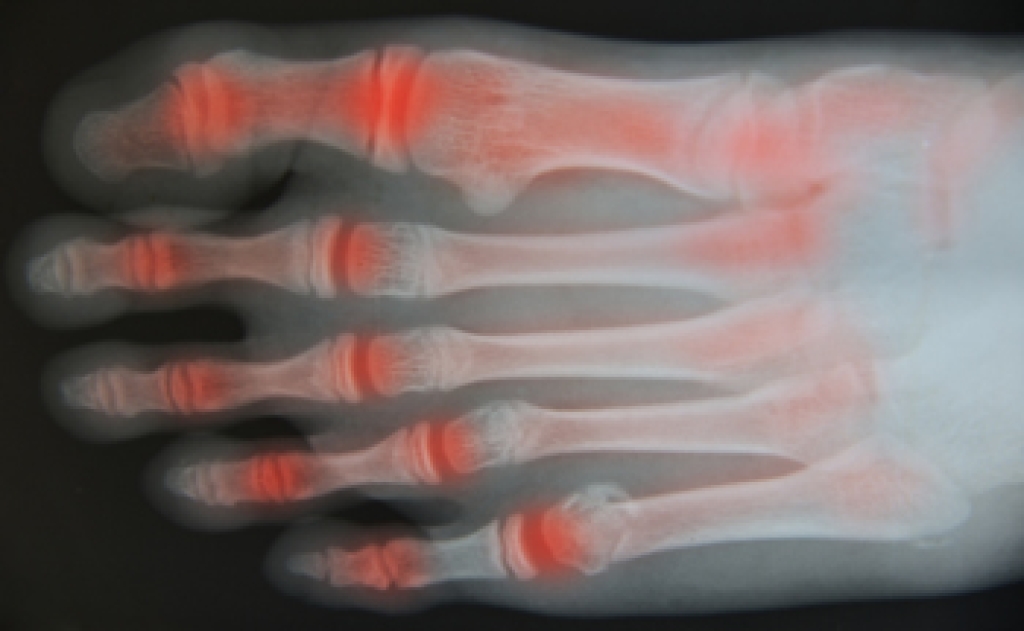
Foot arthritis, a condition that affects countless individuals, can bring about discomfort and limit mobility. While seeking medical advice is important, incorporating targeted exercises and stretches into your routine can provide welcome relief. Gentle toe flexion and extension exercises can help to maintain flexibility and reduce stiffness in the joints. Rolling a tennis ball under the arches and heels can alleviate tension and promote circulation. Calf stretches not only ease tightness but also support the ankle joints. Ankle circles and alphabet exercises improve joint mobility and strengthen surrounding muscles. Plantar fascia stretches, such as the towel stretch, specifically target the connective tissue at the sole. It is beneficial to perform these exercises under supervision and adapt to your comfort level. Combined with proper medical care, these exercises can be valuable tools in managing foot arthritis and enhancing your overall quality of life. If you have arthritis in your feet, it is strongly suggested that you are under the care of a podiatrist who can provide you with additional relief and treatment options.
Arthritis can be a difficult condition to live with. If you are seeking treatment, contact Edward Orman, DPM from Honeygo Podiatry. Our doctor can provide the care you need to keep you pain-free and on your feet.
Arthritic Foot Care
Arthritis is a joint disorder that involves the inflammation of different joints in your body, such as those in your feet. Arthritis is often caused by a degenerative joint disease and causes mild to severe pain in all affected areas. In addition to this, swelling and stiffness in the affected joints can also be a common symptom of arthritis.
In many cases, wearing ill-fitting shoes can worsen the effects and pain of arthritis. Wearing shoes that have a lower heel and extra room can help your feet feel more comfortable. In cases of rheumatoid arthritis, the arch in your foot may become problematic. Buying shoes with proper arch support that contour to your feet can help immensely.
Alleviating Arthritic Pain
It is best to see your doctor for the treatment that is right for your needs and symptoms. Conditions vary, and a podiatrist can help you determine the right method of care for your feet.
If you have any questions please feel free to contact our offices located in Perry Hall, and Fallston, MD . We offer the newest diagnostic tools and technology to treat your foot and ankle needs.

Staying active during pregnancy is vital, and running can be a great option for expectant mothers who were regular runners before conception. However, safety is paramount. It is beneficial to consult a medical professional before undertaking this type of exercise. In many cases, you can continue running if you experience good pre-pregnancy health and do not have complications. Secondly, it is helpful to choose proper footwear that supports your changing feet and opt for breathable, loose-fitting attire. Third, run with caution, especially as your balance changes, and run with a buddy. Avoid hazardous trails and prioritize pavement. It may be wise to refrain from running in particularly hot and humid conditions. Most importantly, slow down or stop if you feel pain, exhaustion, or an abnormal heart rate, and always consult a doctor if you experience dizziness, chest pain, contractions, or bleeding. Drink water regularly and monitor urine color. If you have questions about the wisdom of running during pregnancy, it is suggested that you consult a podiatrist for consultation and guidance.
Pregnant women with swollen feet can be treated with a variety of different methods that are readily available. For more information about other cures for swollen feet during pregnancy, consult with Edward Orman, DPM from Honeygo Podiatry. Our doctor will attend to all of your foot and ankle needs.
What Foot Problems Can Arise During Pregnancy?
One problem that can occur is overpronation, which occurs when the arch of the foot flattens and tends to roll inward. This can cause pain and discomfort in your heels while you’re walking or even just standing up, trying to support your baby.
Another problem is edema, or swelling in the extremities. This often affects the feet during pregnancy but tends to occur in the later stages.
How Can I Keep My Feet Healthy During Pregnancy?
If you have any questions, please feel free to contact our offices located in Perry Hall, and Fallston, MD . We offer the newest diagnostic and treatment technologies for all your foot care needs.

For many, summertime means time to get out and get active. Before trying a new sport or physical activity, be sure to properly stretch and gradually increase intensity to prevent injuries.
If you need treatment for an injury or would like to learn about injury prevention, schedule an appointment.
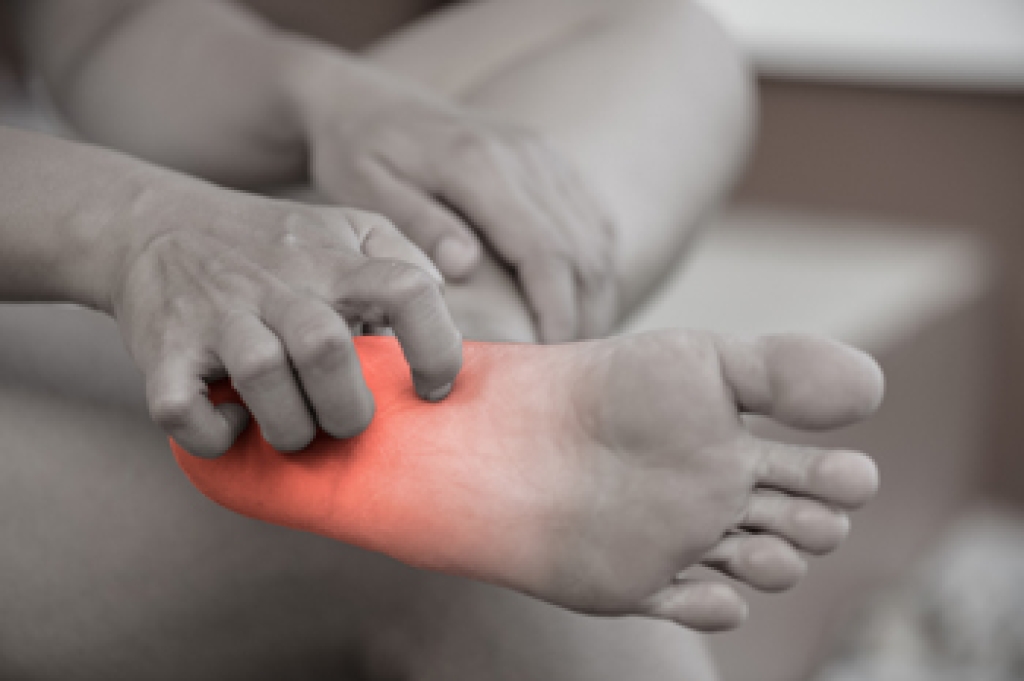
Foot neuropathy involves the nerves in the feet that are not working correctly. This can lead to various issues, such as numbness or tingling sensations in the feet, pain or sensitivity when the feet are touched, and muscle weakness, which can affect stability and balance. Additionally, changes in the appearance of the toenails and skin might occur. Without treatment, neuropathy can even lead to sores or cuts on the feet that do not heal properly and infections may develop. The causes of foot neuropathy are diverse. One of the major factors is diabetes, which can damage the nerves over time. If diabetes is involved, it is especially important to keep blood sugar under control, as this can help reduce symptoms. Foot strengthening exercises can help enhance muscle function and stability. To ensure the safety of the feet, it is essential to inspect them regularly. If you experience unusual sensations or notice changes in your feet, it is suggested that you make an appointment with a podiatrist as soon as possible.
Neuropathy
Neuropathy can be a potentially serious condition, especially if it is left undiagnosed. If you have any concerns that you may be experiencing nerve loss in your feet, consult with Edward Orman, DPM from Honeygo Podiatry. Our doctor will assess your condition and provide you with quality foot and ankle treatment for neuropathy.
What Is Neuropathy?
Neuropathy is a condition that leads to damage to the nerves in the body. Peripheral neuropathy, or neuropathy that affects your peripheral nervous system, usually occurs in the feet. Neuropathy can be triggered by a number of different causes. Such causes include diabetes, infections, cancers, disorders, and toxic substances.
Symptoms of Neuropathy Include:
Those with diabetes are at serious risk due to being unable to feel an ulcer on their feet. Diabetics usually also suffer from poor blood circulation. This can lead to the wound not healing, infections occurring, and the limb may have to be amputated.
Treatment
To treat neuropathy in the foot, podiatrists will first diagnose the cause of the neuropathy. Figuring out the underlying cause of the neuropathy will allow the podiatrist to prescribe the best treatment, whether it be caused by diabetes, toxic substance exposure, infection, etc. If the nerve has not died, then it’s possible that sensation may be able to return to the foot.
Pain medication may be issued for pain. Electrical nerve stimulation can be used to stimulate nerves. If the neuropathy is caused from pressure on the nerves, then surgery may be necessary.
If you have any questions, please feel free to contact our offices located in Perry Hall, and Fallston, MD . We offer the newest diagnostic and treatment technologies for all your foot care needs.
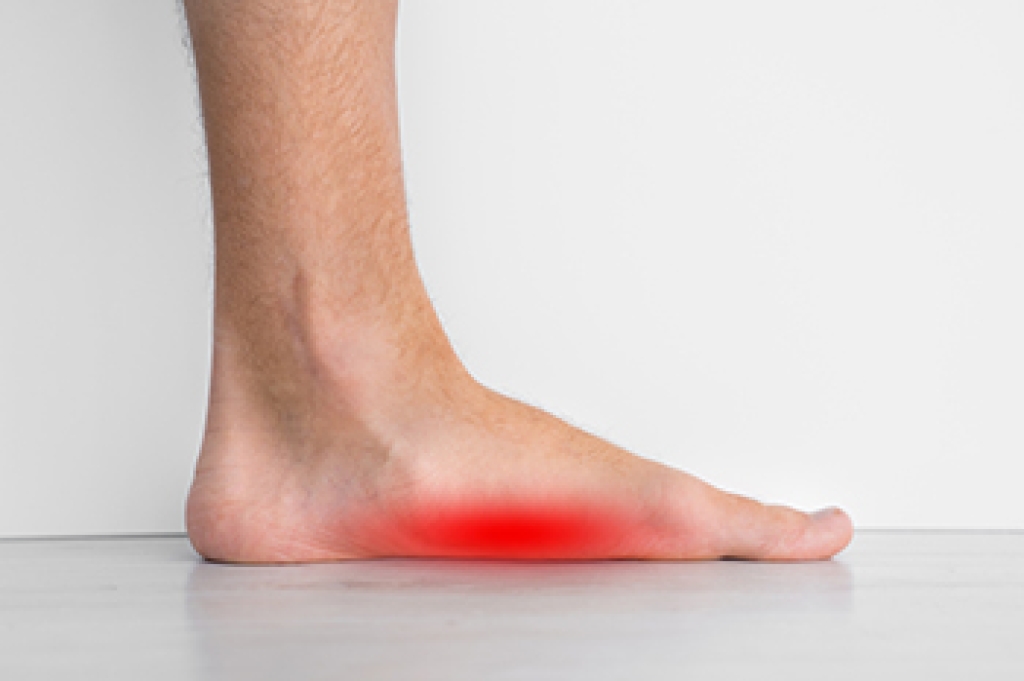
Flat feet, also known as fallen arches, are a prevalent condition that affects adults worldwide. Understanding the facts surrounding adult flat feet is crucial for proper management and maintaining foot health. Flat feet occur when the arches of the feet collapse, leading to the entire sole making contact with the ground. While some individuals are born with flat feet, others may develop the condition over time due to factors such as aging, injury, or excessive strain on the feet. Contrary to popular belief, flat feet are not always symptomatic. Many people with flat feet experience no discomfort or limitations in daily activities. However, some individuals may encounter pain, swelling, or a feeling of tiredness in the feet. Fortunately, conservative measures such as wearing supportive footwear, orthotic inserts, and performing foot strengthening exercises can alleviate symptoms and enhance foot function. In more severe cases, medical interventions may be necessary. By dispelling myths and knowing the facts, adults with flat feet can proactively care for their feet and maintain an active, pain-free lifestyle. If you have flat feet, it is suggested that you are under the care of a podiatrist who can help you to manage this condition.
Flatfoot is a condition many people suffer from. If you have flat feet, contact Edward Orman, DPM from Honeygo Podiatry. Our doctor will treat your foot and ankle needs.
What Are Flat Feet?
Flatfoot is a condition in which the arch of the foot is depressed and the sole of the foot is almost completely in contact with the ground. About 20-30% of the population generally has flat feet because their arches never formed during growth.
Conditions & Problems:
Having flat feet makes it difficult to run or walk because of the stress placed on the ankles.
Alignment – The general alignment of your legs can be disrupted, because the ankles move inward which can cause major discomfort.
Knees – If you have complications with your knees, flat feet can be a contributor to arthritis in that area.
Symptoms
Treatment
If you are experiencing pain and stress on the foot you may weaken the posterior tibial tendon, which runs around the inside of the ankle.
If you have any questions, please feel free to contact our offices located in Perry Hall, and Fallston, MD . We offer the newest diagnostic and treatment technologies for all your foot care needs.
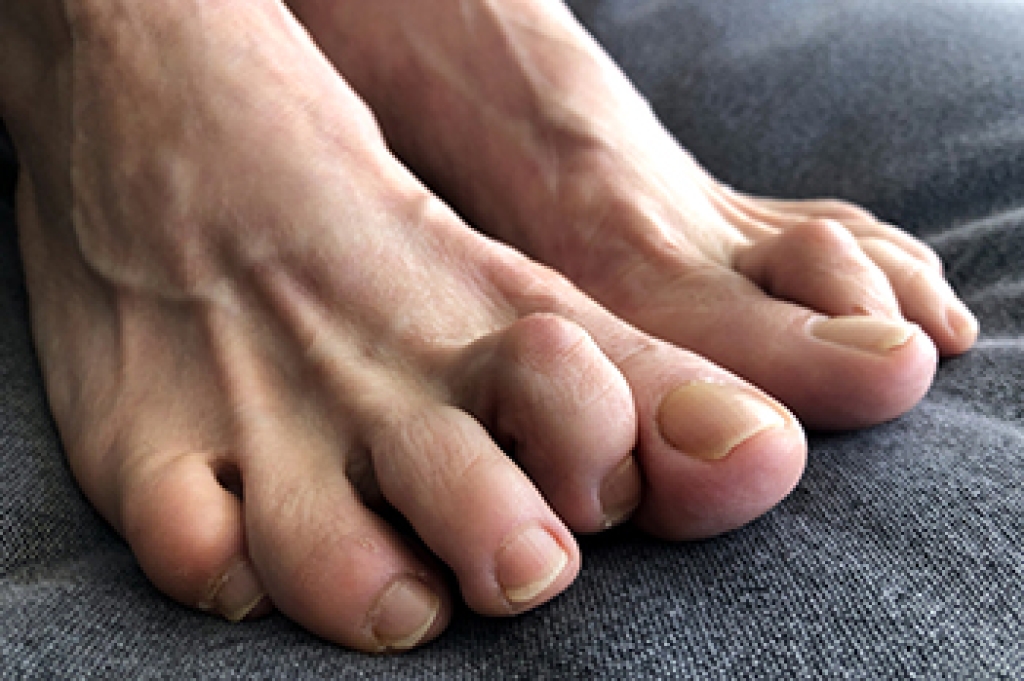
Hammertoe is a common foot condition where one or more toes become bent at the middle joint resembling a hammer. Although it can be uncomfortable and limit footwear choices, there are effective measures to be implemented that can help manage this condition. The first step is to wear shoes that have adequate room for the toes to move freely. It is helpful if the shoes can accommodate bent toes and high heels and pointy-toed shoes should be avoided. Many patients find it beneficial to perform toe exercises that help to improve flexibility and alleviate pain. Temporary relief may occur when orthotic inserts are worn or cushioned pads are placed over the affected toes. Early intervention and consistent foot care are essential for treating and managing hammertoe, improving mobility, and restoring foot comfort and confidence. If you are afflicted with hammertoe, it is suggested that you are under the care of a podiatrist who can help you effectively manage this condition.
Hammertoe
Hammertoes can be a painful condition to live with. For more information, contact Edward Orman, DPM from Honeygo Podiatry. Our doctor will answer any of your foot- and ankle-related questions.
Hammertoe is a foot deformity that affects the joints of the second, third, fourth, or fifth toes of your feet. It is a painful foot condition in which these toes curl and arch up, which can often lead to pain when wearing footwear.
Symptoms
Causes
Genetics – People who are genetically predisposed to hammertoe are often more susceptible
Arthritis – Because arthritis affects the joints in your toes, further deformities stemming from arthritis can occur
Trauma – Direct trauma to the toes could potentially lead to hammertoe
Ill-fitting shoes – Undue pressure on the front of the toes from ill-fitting shoes can potentially lead to the development of hammertoe
Treatment
Orthotics – Custom made inserts can be used to help relieve pressure placed on the toes and therefore relieve some of the pain associated with it
Medications – Oral medications such as anti-inflammatories or NSAIDs could be used to treat the pain and inflammation hammertoes causes. Injections of corticosteroids are also sometimes used
Surgery – In more severe cases where the hammertoes have become more rigid, foot surgery is a potential option
If you have any questions, please feel free to contact our offices located in Perry Hall, and Fallston, MD . We offer the newest diagnostic and treatment technologies for all your foot care needs.
Connect With Us
