Connect With Us

An ingrown toenail is a nail that grows into the skin instead of over it. It is a painful foot condition that generally affects the big toe. It may become infected if prompt medical treatment is not received. There are several reasons an ingrown toenail may develop. These can consist of wearing shoes or socks that are too tight, trimming the toenails incorrectly, or enduring a toe injury. It may become swollen and red, and pus may drain if it becomes infected. Some patients find relief when the affected foot is soaked in warm water, followed by gently pushing the skin away from the nail with a piece of cotton. It is also beneficial to wear shoes that are slightly larger to keep the nail away from the inside of the shoe. Ingrown toenails can be recurring so it is suggested that you visit a podiatrist for a permanent solution and this may include minor surgery for partial or full removal of the nail.
Ingrown toenails can become painful if they are not treated properly. For more information about ingrown toenails, contact Edward Orman, DPM of Honeygo Podiatry. Our doctor can provide the care you need to keep you pain-free and on your feet.
Ingrown Toenails
Ingrown toenails occur when a toenail grows sideways into the bed of the nail, causing pain, swelling, and possibly infection.
Causes
Prevention
Because ingrown toenails are not something found outside of shoe-wearing cultures, going barefoot as often as possible will decrease the likeliness of developing ingrown toenails. Wearing proper fitting shoes and using proper cutting techniques will also help decrease your risk of developing ingrown toenails.
Treatment
Ingrown toenails are a very treatable foot condition. In minor cases, soaking the affected area in salt or antibacterial soaps will not only help with the ingrown nail itself, but also help prevent any infections from occurring. In more severe cases, surgery is an option. In either case, speaking to your podiatrist about this condition will help you get a better understanding of specific treatment options that are right for you.
If you have any questions, please feel free to contact our offices located in Perry Hall, and Fallston, MD . We offer the newest diagnostic and treatment technologies for all your foot care needs.

Fatigue and hairline fractures are also known as stress fractures. They are small cracks that happens to one or more bones in the foot from overuse. They can be common among athletes or children who frequently participate in sporting activities. It can happen from increasing speed and mileage too quickly, in addition to having an abnormal foot structure. Research has shown that patients who have high arches or flat feet may be prone to developing stress fractures, possibly as a result of a lack of shock absorption that comes from the surrounding muscles. Additionally, wearing shoes that do not fit correctly may lead to getting a stress fracture, or it may happen from running on hard surfaces. Relief may be found when the activity that caused the fracture is temporarily ceased, and the affected foot is elevated. If you have endured a stress fracture of the foot, please consult a podiatrist who can offer you effective treatment methods.
Activities where too much pressure is put on the feet can cause stress fractures. To learn more, contact Edward Orman, DPM from Honeygo Podiatry. Our doctor can provide the care you need to keep your pain free and on your feet.
Dealing with Stress Fractures of the Foot and Ankle
Stress fractures occur in the foot and ankle when muscles in these areas weaken from too much or too little use. The feet and ankles then lose support when walking or running from the impact of the ground. Since there is no protection, the bones receive the full impact of each step. Stress on the feet can cause cracks to form in the bones, thus creating stress fractures.
What Are Stress Fractures?
Stress fractures occur frequently in individuals whose daily activities cause great impact on the feet and ankles. Stress factors are most common among:
Symptoms
Pain from the fractures occur in the area of the fractures and can be constant or intermittent. It will often cause sharp or dull pain with swelling and tenderness. Engaging in any kind of activity which involves high impact will aggravate pain.
If you have any questions please contact our offices located in Perry Hall, and Fallston, MD . We offer the newest diagnostic and treatment technologies for all your foot and ankle needs.

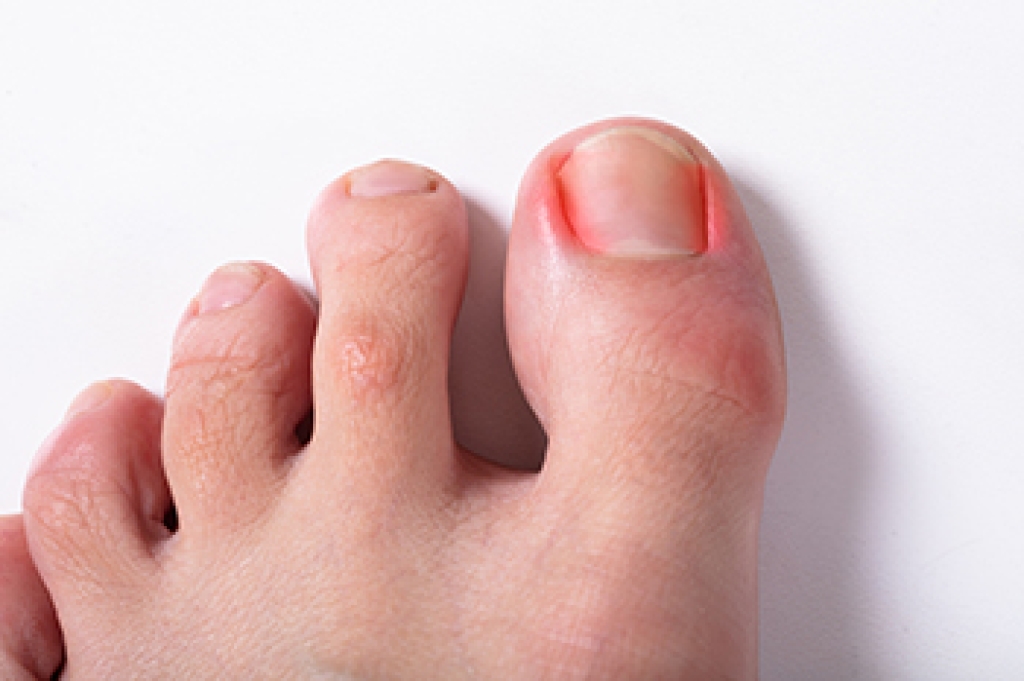
Toe pain can make every single step excruciating. Toe pain can have many different sources, including injuries, arthritis, and hammertoe. Some of these things can be treated with home care, and some need additional medical intervention. Gout is a form of arthritis that commonly affects the big toe. It is caused by a buildup of uric acid in the bloodstream, and crystals form, which settle in certain joints. It causes severe pain at the base of the big toe, redness, and swelling. Hammertoe is a deformity where toes bend abnormally in the middle joint. The downward flex of the joint looks like a hammer, thus its name. It is most common in the second, third, and fourth toes. A hammertoe can make it difficult to walk, and stretching and moving the toes can be impossible. If you have toe pain, see a podiatrist for medical treatment.
Toe pain can disrupt your daily activities. If you have any concerns, contact Edward Orman, DPM of Honeygo Podiatry. Our doctor can provide the care you need to keep you pain-free and on your feet.
What Causes Toe Pain?
Most severe toe pain is caused due to a sports injury, trauma from dropping something heavy on the toe, or bumping into something rigid. Other problems can develop over time for various reasons.
Toe pain can be caused by one or more ailments. The most common include:
When to See a Podiatrist
Diagnosis
In many cases the cause of toe pain is obvious, but in others, a podiatrist may want to use more advanced methods to determine the problem. These can range from simple visual inspections and sensation tests to X-rays and MRI scans. Prior medical history, family medical history, and any recent physical traumatic events will all be taken into consideration for a proper diagnosis.
Treatment
Treatments for toe pain and injuries vary and may include shoe inserts, padding, taping, medicines, injections, and in some cases, surgery. If you believe that you have broken a toe, please see a podiatrist as soon as possible.
If you have any questions please contact our offices located in Perry Hall, and Fallston, MD . We offer the newest diagnostic and treatment technologies for all your foot and ankle needs.

Sever’s disease is an affliction of the foot that primarily targets adolescent children. Essentially, the condition occurs when the growth plate, located around the heel, becomes inflamed. This can usually occur in children between the ages of 9 and 12, and will sometimes make physical activity more painful and uncomfortable. Sever’s disease has an interesting relationship with youth baseball. For children that engage in baseball, they might be setting themselves up for Sever’s disease if they are overtraining for baseball, as many children are prone to do. Additionally, if the child is engaging in baseball with decreased strength and flexibility, this might also be a contributing factor. If your child plays youth baseball, contact a podiatrist today for more information about Sever’s disease and what you can be doing to help prevent it.
Sever's disease often occurs in children and teens. If your child is experiencing foot or ankle pain, see Edward Orman, DPM from Honeygo Podiatry. Our doctor can treat your child’s foot and ankle needs.
Sever’s Disease
Sever’s disease is also known as calcaneal apophysitis, which is a medical condition that causes heel pain I none or both feet. The disease is known to affect children between the ages of 8 and 14.
Sever’s disease occurs when part of the child’s heel known as the growth plate (calcaneal epiphysis) is attached to the Achilles tendon. This area can suffer injury when the muscles and tendons of the growing foot do not keep pace with bone growth. Therefore, the constant pain which one experiences at the back of the heel will make the child unable to put any weight on the heel. The child is then forced to walk on their toes.
Symptoms
Acute pain – Pain associated with Sever’s disease is usually felt in the heel when the child engages in physical activity such as walking, jumping and or running.
Highly active – Children who are very active are among the most susceptible in experiencing Sever’s disease, because of the stress and tension placed on their feet.
If you have any questions, please feel free to contact our offices located in Perry Hall, and Fallston, MD . We offer the newest diagnostic and treatment technologies for all your foot care needs.
Connect With Us