Causes and Definition of Tarsal Tunnel Syndrome

Tarsal tunnel syndrome, a condition affecting the inner ankle and foot, arises from compression of the tibial nerve within the tarsal tunnel. This tunnel, enclosed by bone and soft tissues, houses nerves, arteries, and tendons. When pressure on the tibial nerve increases, it can result in tarsal tunnel syndrome. Causes vary, with one primary factor being overuse, leading to inflammation and swelling within the tunnel. Flat feet or conditions altering foot biomechanics may contribute by narrowing the tunnel and compressing the nerve. Ankle injuries, cysts, or tumors within the tunnel can exacerbate the compression, as can systemic conditions like diabetes or arthritis. Symptoms encompass tingling, burning sensations, and pain radiating to the arch, heel, or toes. Recognizing these indicators and understanding the diverse causes of tarsal tunnel syndrome is vital for timely intervention. If you have foot pain, it is strongly suggested that you schedule an appointment with a podiatrist who can diagnose and treat tarsal tunnel syndrome.

Tarsal tunnel syndrome can be very uncomfortable to live with. If you are experiencing tarsal tunnel syndrome, contact Edward Orman, DPM of Honeygo Podiatry. Our doctor can provide the care you need to keep you pain-free and on your feet.

Tarsal Tunnel Syndrome

Tarsal tunnel syndrome, which can also be called tibial nerve dysfunction, is an uncommon condition of misfiring peripheral nerves in the foot. The tibial nerve is the peripheral nerve in the leg responsible for sensation and movement of the foot and calf muscles. In tarsal tunnel syndrome, the tibial nerve is damaged, causing problems with movement and feeling in the foot of the affected leg.

Common Cause of Tarsal Tunnel Syndrome

  • Involves pressure or an injury, direct pressure on the tibial nerve for an extended period of time, sometimes caused by other body structures close by or near the knee.
  • Diseases that damage nerves, including diabetes, may cause tarsal tunnel syndrome.
  • At times, tarsal tunnel syndrome can appear without an obvious cause in some cases.

The Effects of Tarsal Tunnel Syndrome

  • Different sensations, an afflicted person may experience pain, tingling, burning or other unusual sensations in the foot of the affected leg.
  • The foot muscles, toes and ankle become weaker, and curling your toes or flexing your foot can become difficult.
  • If condition worsens, infections and ulcers may develop on the foot that is experiencing the syndrome.

A physical exam of the leg can help identify the presence of tarsal tunnel syndrome. Medical tests, such as a nerve biopsy, are also used to diagnose the condition. Patients may receive physical therapy and prescriptive medication. In extreme cases, some may require surgery.

If you have any questions please contact our offices located in Perry Hall, and Fallston, MD . We offer the newest diagnostic and treatment technologies for all your foot and ankle needs.

Read more about Tarsal Tunnel Syndrome

Foot Fatigue

Foot fatigue is a common condition characterized by a feeling of tiredness, soreness, or aching in the feet. It often results from prolonged standing, walking, or engaging in activities that put excessive strain on the feet. This fatigue can be exacerbated by factors such as wearing improper footwear, which fails to provide adequate support and cushioning. Additionally, foot pain may happen from biomechanical issues such as flat feet or high arches that alter the foot's natural alignment and distribution of pressure. Excess weight can also contribute to foot fatigue due to the increased load on the foot structures. Occupations that require extended periods of standing or walking, such as in the retail, healthcare, or hospitality industries, often report higher incidences of foot fatigue. Additionally, athletes and individuals who engage in regular physical activity may experience this condition due to repetitive stress on the feet. Managing foot fatigue involves wearing proper footwear, getting adequate rest, and performing specific foot exercises. In some cases, the use of orthotic devices may help to improve foot alignment and function. If you are suffering from any kind of foot pain, it is suggested that you make an appointment with a podiatrist for a proper diagnosis and treatment.

Foot Pain

Foot pain can be extremely painful and debilitating. If you have a foot pain, consult with Edward Orman, DPM from Honeygo Podiatry. Our doctor will assess your condition and provide you with quality foot and ankle treatment.

Causes

Foot pain is a very broad condition that could be caused by one or more ailments. The most common include:

  • Bunions
  • Hammertoes
  • Plantar Fasciitis
  • Bone Spurs
  • Corns
  • Tarsal Tunnel Syndrome
  • Ingrown Toenails
  • Arthritis (such as Gout, Rheumatoid, and Osteoarthritis)
  • Flat Feet
  • Injury (from stress fractures, broken toe, foot, ankle, Achilles tendon ruptures, and sprains)
  • And more

Diagnosis

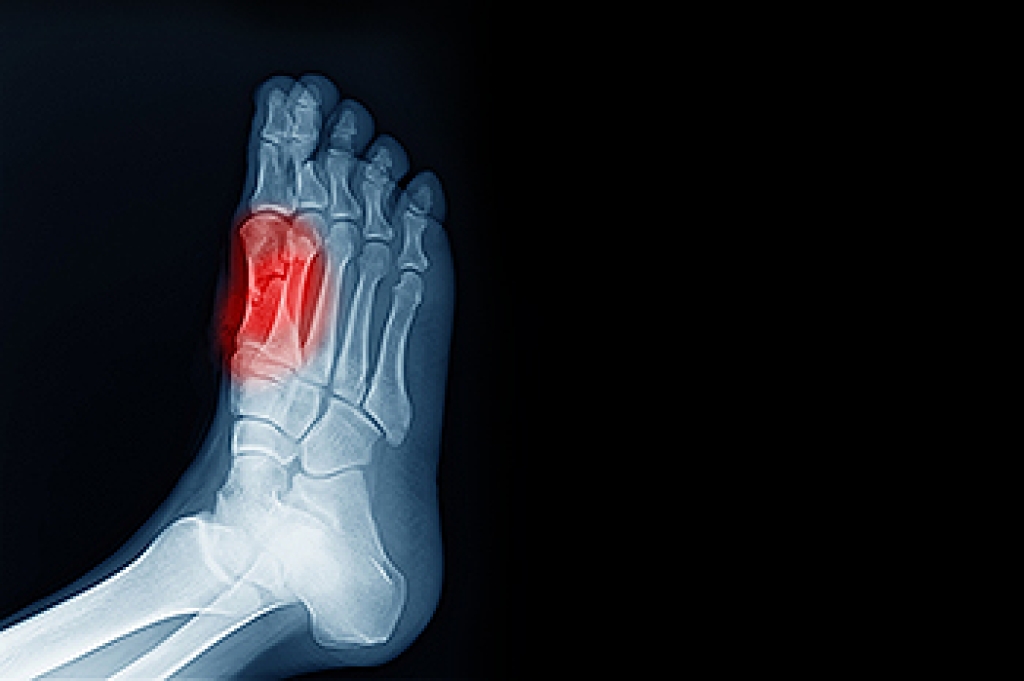
To figure out the cause of foot pain, podiatrists utilize several different methods. This can range from simple visual inspections and sensation tests to X-rays and MRI scans. Prior medical history, family medical history, and any recent physical traumatic events will all be taken into consideration for a proper diagnosis.

Treatment

Treatment depends upon the cause of the foot pain. Whether it is resting, staying off the foot, or having surgery; podiatrists have a number of treatment options available for foot pain.

If you have any questions, please feel free to contact our offices located in Perry Hall, and Fallston, MD . We offer the newest diagnostic and treatment technologies for all your foot care needs.

Read more about Foot Pain

Possible Causes of Sesamoiditis

Sesamoiditis, a condition that impacts the tiny sesamoid bones beneath the big toe joint, unveils itself as inflammation in this delicate area. These small, pea-shaped bones play a vital role in weight-bearing and facilitating smooth movement of the foot. Sesamoiditis typically arises from overuse or repetitive stress on the forefoot, particularly common among athletes engaging in activities that involve frequent pushing off the toes. Ballet dancers, runners, and individuals participating in high-impact sports are often susceptible. The condition may also be triggered by structural abnormalities in foot anatomy, such as having a high arch, or from wearing improper footwear that fails to adequately cushion and support the ball of the foot. Recognizing the causes of sesamoiditis helps individuals take preventive measures, including wearing proper footwear, and modifying activities to protect these small yet significant bones in the intricate structure of the foot. Sesamoiditis is a condition that is treated by a podiatrist. If you have developed this condition, it is strongly urged that you schedule an appointment with this foot doctor who can offer you effective treatment options.

Sesamoiditis is an unpleasant foot condition characterized by pain in the balls of the feet. If you think you’re struggling with sesamoiditis, contact Edward Orman, DPM of Honeygo Podiatry. Our doctor will treat your condition thoroughly and effectively.

Sesamoiditis

Sesamoiditis is a condition of the foot that affects the ball of the foot. It is more common in younger people than it is in older people. It can also occur with people who have begun a new exercise program, since their bodies are adjusting to the new physical regimen. Pain may also be caused by the inflammation of tendons surrounding the bones. It is important to seek treatment in its early stages because if you ignore the pain, this condition can lead to more serious problems such as severe irritation and bone fractures.

Causes of Sesamoiditis

  • Sudden increase in activity
  • Increase in physically strenuous movement without a proper warm up or build up
  • Foot structure: those who have smaller, bonier feet or those with a high arch may be more susceptible

Treatment for sesamoiditis is non-invasive and simple. Doctors may recommend a strict rest period where the patient forgoes most physical activity. This will help give the patient time to heal their feet through limited activity. For serious cases, it is best to speak with your doctor to determine a treatment option that will help your specific needs.

If you have any questions, please feel free to contact our offices located in Perry Hall, and Fallston, MD . We offer the newest diagnostic and treatment technologies for all your foot care needs.

Read more about Sesamoiditis

Understanding What Arthritis in the Feet Feels Like

Arthritis in the feet is a condition that can bring a range of discomforts and unique sensations. It often manifests as pain and stiffness in the joints, making every step a potential challenge. Individuals with foot arthritis may experience a deep, aching pain that worsens with movement. This discomfort can be present in various areas of the foot, including the toes, the midfoot, or the ankle. One common sensation associated with foot arthritis is a feeling of stiffness or inflexibility. It can be particularly pronounced in the morning or after periods of inactivity. As arthritis progresses, swelling and warmth may accompany the pain, making the affected foot feel tender to the touch. In more advanced cases, individuals may notice a grinding or popping sensation in the affected joints, indicating the wear and tear of the cartilage. Understanding what arthritis in the feet feels like is essential for timely diagnosis and effective management. If you have any of the above symptoms which may indicate arthritis in the feet, it is suggested that you schedule an appointment with a podiatrist who can guide you toward relief methods.

Arthritis can be a difficult condition to live with. If you are seeking treatment, contact Edward Orman, DPM from Honeygo Podiatry. Our doctor can provide the care you need to keep you pain-free and on your feet.

Arthritic Foot Care  

Arthritis is a term that is commonly used to describe joint pain.  The condition itself can occur to anyone of any age, race, or gender, and there are over 100 types of it.  Nevertheless, arthritis is more commonly found in women compared to men, and it is also more prevalent in those who are overweight. The causes of arthritis vary depending on which type of arthritis you have. Osteoarthritis for example, is often caused by injury, while rheumatoid arthritis is caused by a misdirected immune system.

Symptoms

  • Swelling
  • Pain
  • Stiffness
  • Decreased Range of Motion

Arthritic symptoms range in severity, and they may come and go. Some symptoms stay the same for several years but could potentially get worse with time. Severe cases of arthritis can prevent its sufferers from performing daily activities and make walking difficult.

Risk Factors

  • Occupation – Occupations requiring repetitive knee movements have been linked to osteoarthritis
  • Obesity – Excess weight can contribute to osteoarthritis development
  • Infection – Microbial agents can infect the joints and trigger arthritis
  • Joint Injuries – Damage to joints may lead to osteoarthritis
  • Age – Risk increases with age
  • Gender –Most types are more common in women
  • Genetics – Arthritis can be hereditary

If you suspect your arthritis is affecting your feet, it is crucial that you see a podiatrist immediately. Your doctor will be able to address your specific case and help you decide which treatment method is best for you.

If you have any questions please feel free to contact our offices located in Perry Hall, and Fallston, MD . We offer the newest diagnostic tools and technology to treat your foot and ankle needs.

Read more about How to Care for Your Arthritic Foot

Causes and Treatment for Bunions

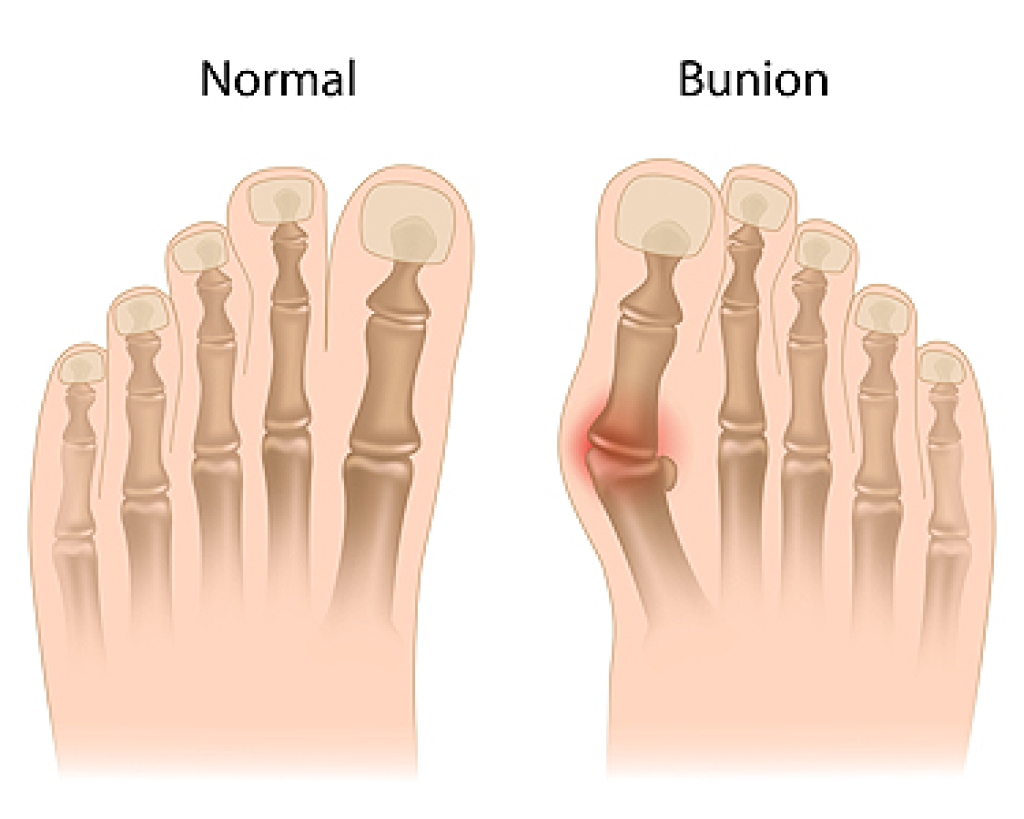
Bunions are painful bumps at the base of the big toe, primarily the result of hallux valgus, where the big toe deviates outward and tilts toward the second toe. Contributing factors for the formation of bunions include foot pronation, wearing tight shoes, injuries, osteoarthritis, and heredity. Bunions can cause pain, especially in narrow shoes, and may enlarge over time. Painful swelling caused by inflamed bursa under the toe often accompanies bunions and limits joint motion. Diagnosing bunions relies on symptoms and physical exams, such as X-rays, while joint fluid analysis rules out infectious arthritis or gout. Treatment options depend on the severity of the bunion. A podiatrist can guide you toward non-invasive treatment solutions, including orthotics, nonsteroidal anti-inflammatory medication, and corticosteroid injections to manage pain and inflammation. In severe cases, or when more conservative measures fail, surgical bunionectomy becomes an option. This procedure corrects joint alignment and removes the bunion. To determine the best treatment plan for your specific needs and taking into account the severity of your bunion, it is suggested that you make an appointment with a podiatrist.

If you are suffering from bunions, contact Edward Orman, DPM of Honeygo Podiatry. Our doctor can provide the care you need to keep you pain-free and on your feet.

What Is a Bunion?

A bunion is formed of swollen tissue or an enlargement of boney growth, usually located at the base joint of the toe that connects to the foot. The swelling occurs due to the bones in the big toe shifting inward, which impacts the other toes of the foot. This causes the area around the base of the big toe to become inflamed and painful.

Why Do Bunions Form?

Genetics – Susceptibility to bunions are often hereditary

Stress on the feet – Poorly fitted and uncomfortable footwear that places stress on feet, such as heels, can worsen existing bunions

How Are Bunions Diagnosed?

Podiatrists often perform two tests – blood tests and x-rays – when trying to diagnose bunions, especially in the early stages of development. Blood tests help determine if the foot pain is being caused by something else, such as arthritis, while x-rays provide a clear picture of your bone structure to your provider.

How Are Bunions Treated?

  • Refrain from wearing heels or similar shoes that cause discomfort
  • Select wider shoes that can provide more comfort and reduce pain
  • Anti-inflammatory and pain management drugs
  • Orthotics or foot inserts
  • Surgery

If you have any questions, please feel free to contact our offices located in Perry Hall, and Fallston, MD . We offer the newest diagnostic and treatment technologies for all your foot care needs.

Read more about Bunions

Connect With Us

scroll to top