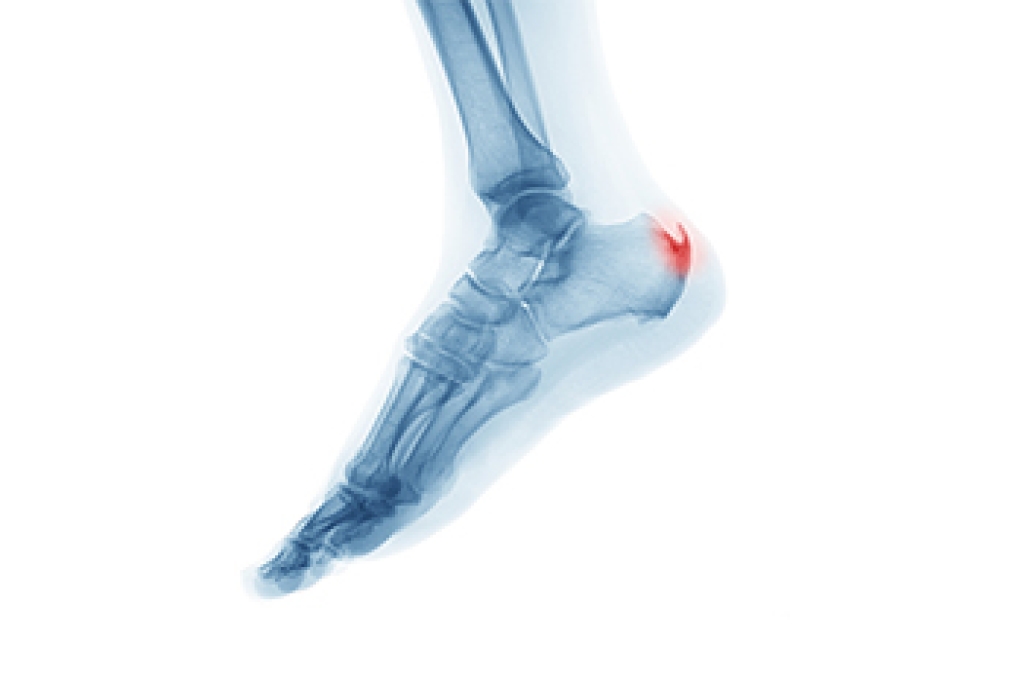
Definition and Symptoms of Heel Spurs

Heel spurs are bony protrusions that develop on the underside of the heel bone, often causing discomfort and pain. These spurs typically form in response to long-term strain on the ligaments and muscles of the foot, which leads to the calcification of soft tissues near the heel. While some individuals with heel spurs may not experience any symptoms, others may encounter persistent pain, especially during weight-bearing activities such as walking or standing. The pain is often described as a sharp, stabbing sensation in the heel. Inflammation and tenderness may accompany the discomfort, further affecting mobility. Seeking professional evaluation from a podiatrist is essential for an accurate diagnosis and the formulation of an effective treatment plan to alleviate symptoms and enhance overall foot health. If you have a heel spur, it is suggested that you consult with this type of doctor who can accurately diagnose and treat this condition.

Heel spurs can be incredibly painful and sometimes may make you unable to participate in physical activities. To get medical care for your heel spurs, contact Edward Orman, DPM from Honeygo Podiatry. Our doctor will do everything possible to treat your condition.

Heels Spurs

Heel spurs are formed by calcium deposits on the back of the foot where the heel is. This can also be caused by small fragments of bone breaking off one section of the foot, attaching onto the back of the foot. Heel spurs can also be bone growth on the back of the foot and may grow in the direction of the arch of the foot.

Older individuals usually suffer from heel spurs and pain sometimes intensifies with age. One of the main condition's spurs are related to is plantar fasciitis.

Pain

The pain associated with spurs is often because of weight placed on the feet. When someone is walking, their entire weight is concentrated on the feet. Bone spurs then have the tendency to affect other bones and tissues around the foot. As the pain continues, the feet will become tender and sensitive over time.

Treatments

There are many ways to treat heel spurs. If one is suffering from heel spurs in conjunction with pain, there are several methods for healing. Medication, surgery, and herbal care are some options.

If you have any questions, please feel free to contact our offices located in Perry Hall, and Fallston, MD . We offer the newest diagnostic and treatment technologies for all your foot care needs.
Read more about How to Treat Heel Spurs

Facts About Plantar Fasciitis

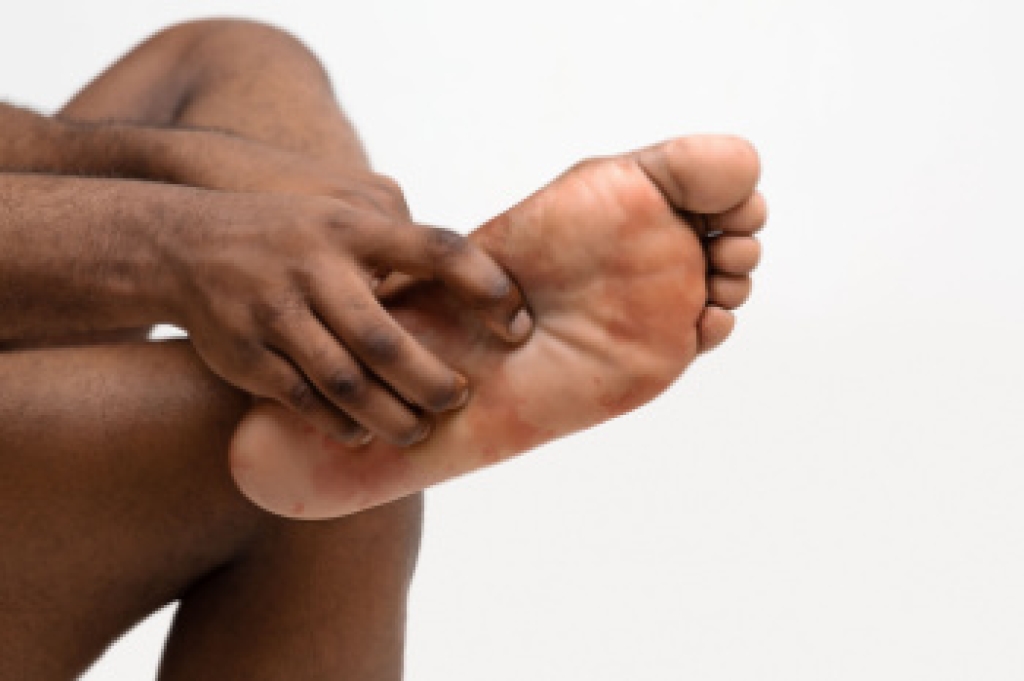
Plantar fasciitis, the leading cause of heel pain, stems from inflammation or degeneration of the plantar fascia attaching to the heel. This thick tissue band, essential for foot support, manifests as pain under the heel, often extending into the arch. Symptoms of plantar fasciitis peak in the morning, but often subside as the foot warms throughout the day. Overuse is a key factor of plantar fasciitis, but risks heighten with poor foot biomechanics and other factors. These may include overpronation, a high-arched foot, and improper footwear choice. Additional contributors include excess weight, tight calf muscles, and plantar fascia tightness. Among the symptoms are morning heel pain, arch discomfort, and tenderness when pressing the heel. Distinguishing plantar fasciitis from similar conditions, such as a  bruised heel, heel spur, or stress fracture aids in an accurate diagnosis. Treatment involves pain and inflammation reduction, biomechanical correction, and targeted exercises. For a tailored approach to managing plantar fasciitis, it is suggested that you consult a podiatrist for a full exam and suggested treatment. options.

Plantar fasciitis is a common foot condition that is often caused by a strain injury. If you are experiencing heel pain or symptoms of plantar fasciitis, contact Edward Orman, DPM from Honeygo Podiatry. Our doctor can provide the care you need to keep you pain-free and on your feet.

What Is Plantar Fasciitis?

Plantar fasciitis is one of the most common causes of heel pain. The plantar fascia is a ligament that connects your heel to the front of your foot. When this ligament becomes inflamed, plantar fasciitis is the result. If you have plantar fasciitis you will have a stabbing pain that usually occurs with your first steps in the morning. As the day progresses and you walk around more, this pain will start to disappear, but it will return after long periods of standing or sitting.

What Causes Plantar Fasciitis?

  • Excessive running
  • Having high arches in your feet
  • Other foot issues such as flat feet
  • Pregnancy (due to the sudden weight gain)
  • Being on your feet very often

There are some risk factors that may make you more likely to develop plantar fasciitis compared to others. The condition most commonly affects adults between the ages of 40 and 60. It also tends to affect people who are obese because the extra pounds result in extra stress being placed on the plantar fascia.

Prevention

  • Take good care of your feet – Wear shoes that have good arch support and heel cushioning.
  • Maintain a healthy weight
  • If you are a runner, alternate running with other sports that won’t cause heel pain

There are a variety of treatment options available for plantar fasciitis along with the pain that accompanies it. Additionally, physical therapy is a very important component in the treatment process. It is important that you meet with your podiatrist to determine which treatment option is best for you.

If you have any questions, please feel free to contact our offices located in Perry Hall, and Fallston, MD . We offer the newest diagnostic and treatment technologies for all your foot care needs.
 

Read more about Plantar Fasciitis

Mobility Concerns Among the Elderly

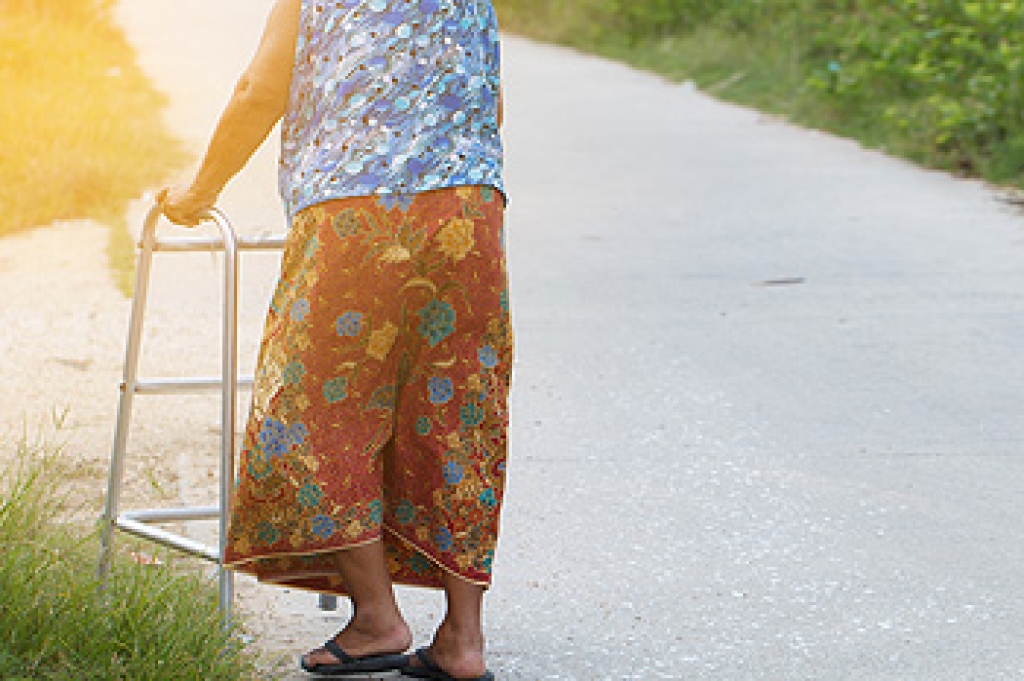
Mobility is a critical aspect of maintaining independence and overall well-being as people age. Concerns about losing the ability to move freely can be a source of anxiety for many older adults. Factors such as changes in gait, balance, and physical strength can impact mobility, leading to increased falls and limitations in daily activities. This loss of mobility is associated with higher rates of disease, disability, hospitalization, and decreased quality of life. If you are a senior or taking care of one and want to learn more about what you can do to maintain mobility in terms of proper gait and balance, it is suggested that you schedule an appointment with a podiatrist to increase your chances of living independently and enjoying a good quality of life.

Proper foot care is something many older adults forget to consider. If you have any concerns about your feet and ankles, contact Edward Orman, DPM from Honeygo Podiatry. Our doctor can provide the care you need to keep you pain-free and on your feet.

The Elderly and Their Feet

As we age we start to notice many changes in our body, but the elder population may not notice them right away. Medical conditions may prevent the elderly to take notice of their foot health right away. Poor vision is a lead contributor to not taking action for the elderly.

Common Conditions 

  • Neuropathy – can reduce feeling in the feet and can hide many life-threatening medical conditions.
  • Reduced flexibility – prevents the ability of proper toenail trimming, and foot cleaning. If left untreated, it may lead to further medical issues.
  • Foot sores – amongst the older population can be serious before they are discovered. Some of the problematic conditions they may face are:
  • Gouging toenails affecting nearby toe
  • Shoes that don’t fit properly
  • Pressure sores
  • Loss of circulation in legs & feet
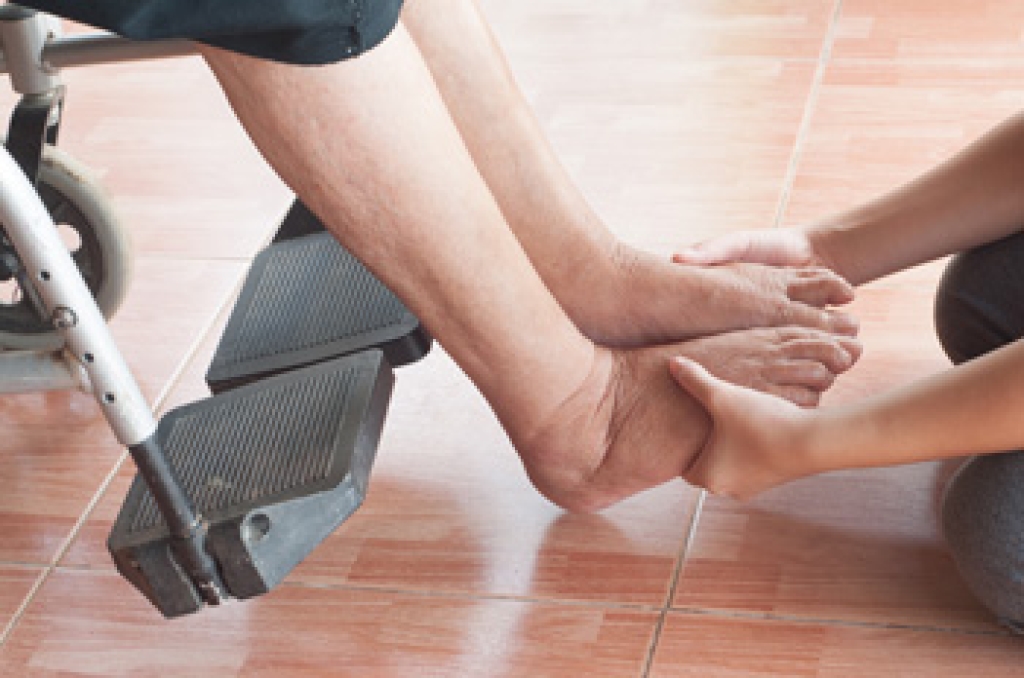
  • Edema & swelling of feet and ankles

Susceptible Infections

Diabetes and poor circulation can cause general loss of sensitivity over the years, turning a simple cut into a serious issue.

If you have any questions, please feel free to contact our offices located in Perry Hall, and Fallston, MD . We offer the newest diagnostic and treatment technologies for all your foot care needs.

Read more about Taking Care of Elderly Feet

Taking Care of Feet Over a Lifetime

While our eyes are often considered windows to our souls, our feet can provide valuable insights into our overall health. As we age, our feet tend to reflect changes in our bodies, including decreased circulation, thinning skin, brittle bones, muscle atrophy, and arthritis. Many of these conditions can initially manifest in the foot and ankle, making it essential to monitor them for any alterations, discomfort, or pain. Footwear choices also play a significant role in foot health. Younger individuals often prioritize style over comfort and function, but as people age, there is a shift towards valuing comfort and functionality in shoes. It is important not to wait for pain and discomfort to become persistent problems in later life. Our feet are diverse in shape and size, but if you experience persistent foot pain or issues that affect your daily life, it is suggested that you schedule an appointment with a podiatrist who can provide the necessary treatment and contribute to a healthier and more comfortable future.

Everyday foot care is very important to prevent infection and other foot ailments. If you need your feet checked, contact Edward Orman, DPM from Honeygo Podiatry. Our doctor can provide the care you need to keep you pain-free and on your feet.

Everyday Foot Care

Often, people take care of their bodies, face and hair more so than they do for their feet. But the feet are a very important aspect of our bodies, and one that we should pay more attention to. Without our feet, we would not be able to perform most daily tasks.

It is best to check your feet regularly to make sure there are no new bruises or cuts that you may not have noticed before. For dry feet, moisturizer can easily be a remedy and can be applied as often as necessary to the affected areas. Wearing shoes that fit well can also help you maintain good foot health, as well as making it easier to walk and do daily activities without the stress or pain of ill-fitting shoes, high heels, or even flip flops. Wearing clean socks with closed shoes is important to ensure that sweat and bacteria do not accumulate within the shoe. Clean socks help to prevent Athlete’s foot, fungi problems, bad odors, and can absorb sweat.

If you have any questions, please feel free to contact our offices located in Perry Hall, and Fallston, MD . We offer the newest diagnostic and treatment technologies for all your foot care needs.

Read more about Every Day Foot Care

Gout Pain Can Be Managed

Gout is a painful, inflammatory form of arthritis. Those affected will typically feel an intense stiffness in the joints of their feet, particularly in the big toe. Schedule a visit to learn about how gout can be managed and treated.

Connect With Us

scroll to top